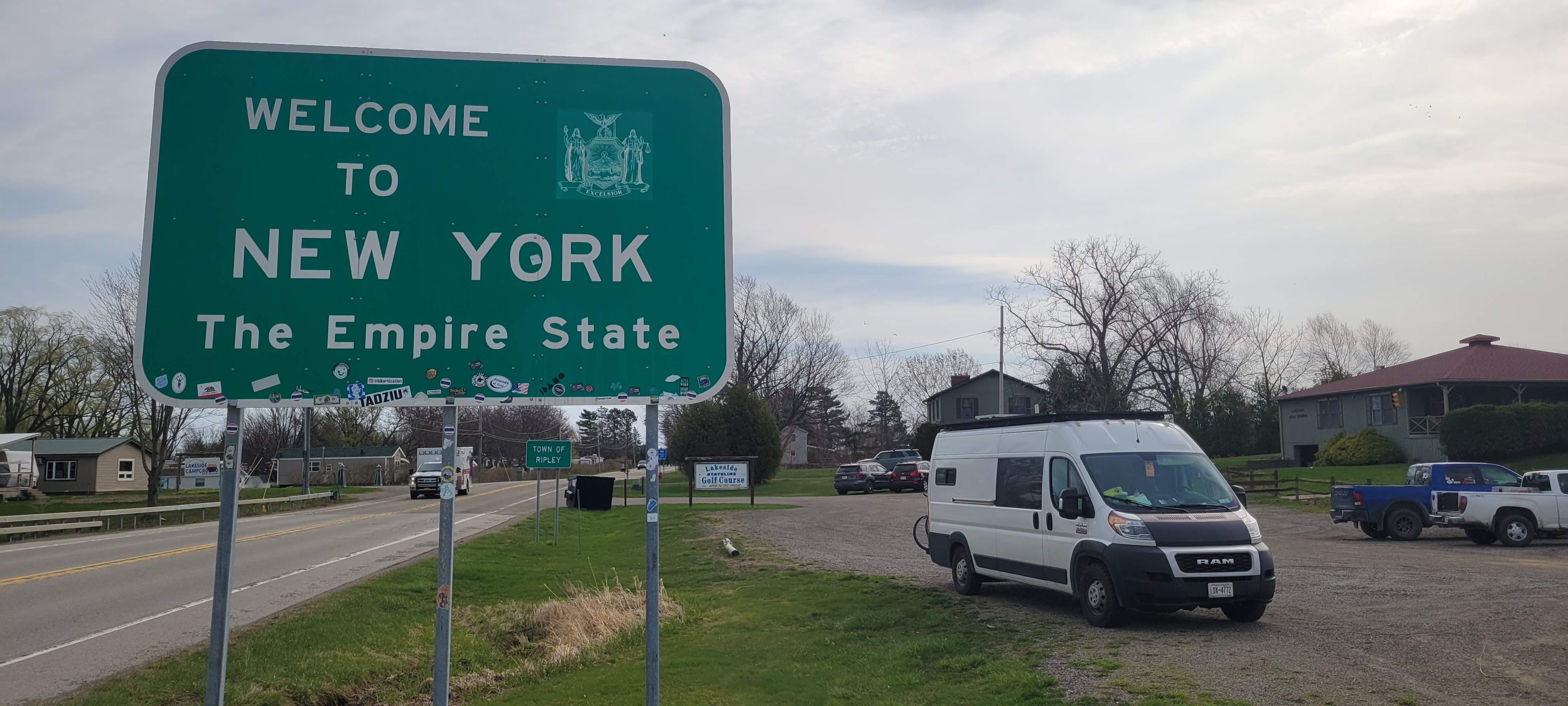
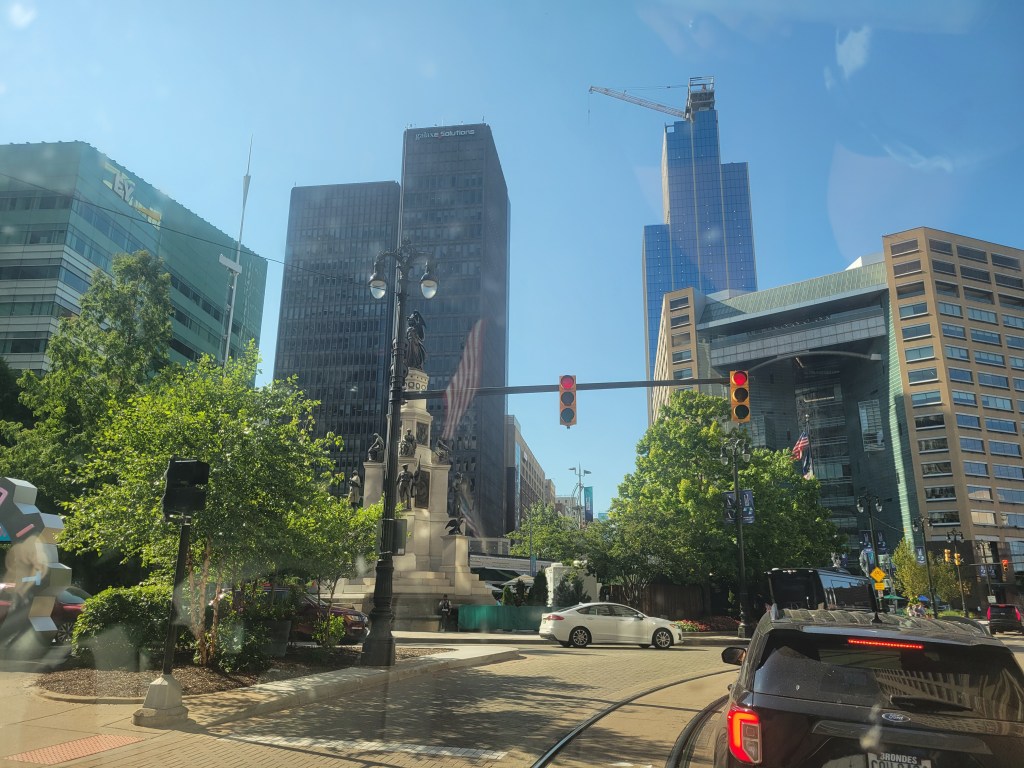
Day Two in Michigan we were off to Detroit, a city Julie had never experienced and Ryan knew fairly well after spending almost a year commuting there every week from Rochester in a previous job. There being so much to do in the Motor City, and us having only one day to see what it had to offer, we split our time between two sites. The first was The Henry Ford.
We went there having very little sense of exactly what it was, only that it was a tourist site not to be missed. And, even once we were there and pulling in to park, we still didn’t know exactly what it was we were visiting. But we did know it seemed pretty awesome. And huge. There was so much to do that we burned through valuable time just figuring out what our plan of attack would be in the short handful of hours we could spend there. At the ticket booth alone there were myriad decisions to make about what ticket package to buy. They had factory tours, the Henry Ford Museum of American Innovation, something called the Greenfield Village, and some sort of Giant Screen experience. We settled on the museum and the village package and dove in, starting with the village.
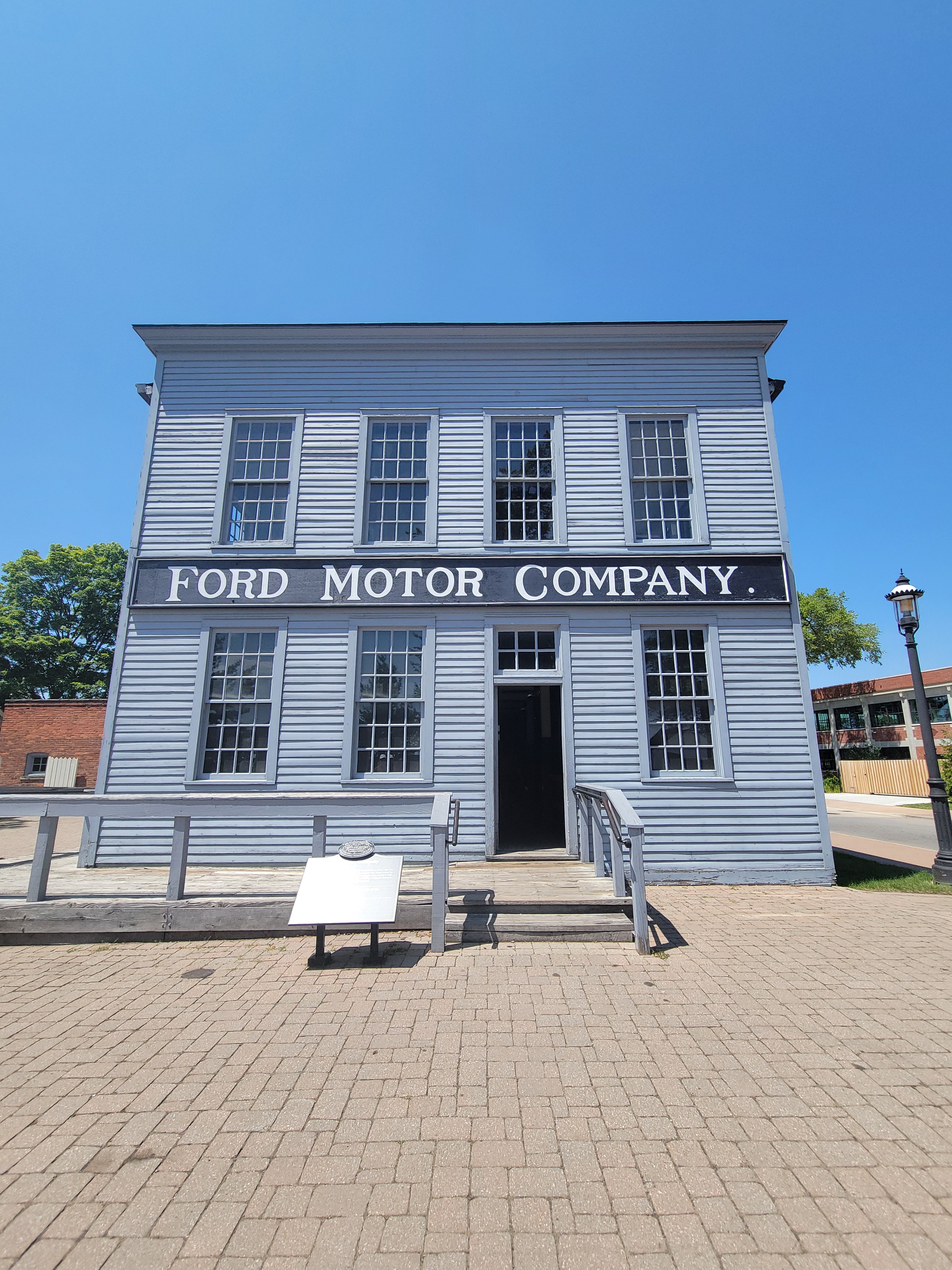
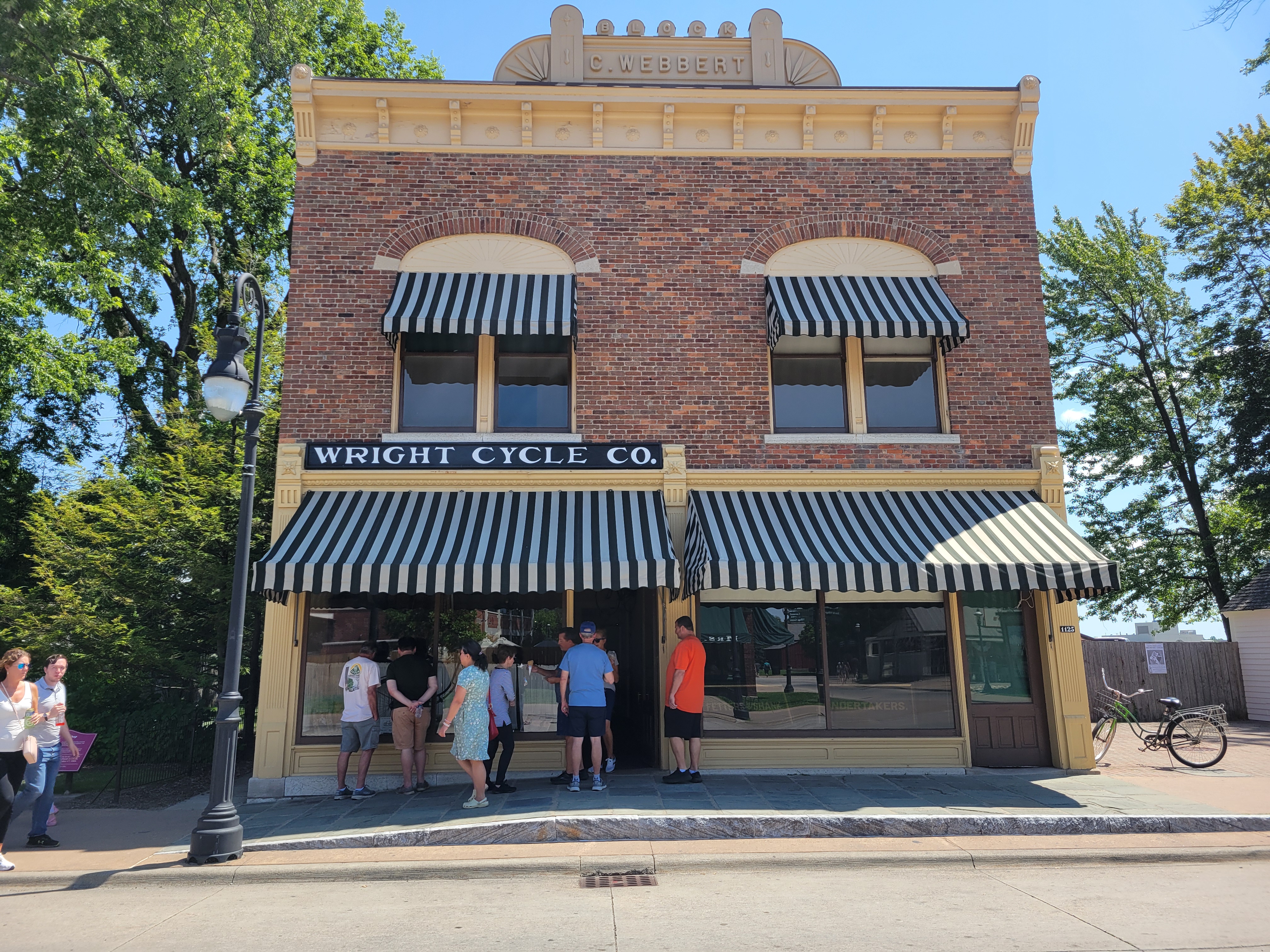
We were navigating streets that mimicked America’s past, but not one single time or place as in other such village re-creations of the past. It was a hodge-podge of places from various parts of America’s past regarding technical innovation. There was a replica of Henry Ford’s first home and his first factory. And there was the bike shop where the Wright Brothers worked in Dayton, Ohio, when they were first figuring out how to give human beings wings. It was a neat and educational experience.
Then we headed over to the American Museum of Innovation, which was huge. We wished we had had to time to tour it all. They had huge trains from America’s locomotive past, overview exhibits covering the pathway of American history, and all other types of exhibits we didn’t get to see, as usual, thanks to our limited time.
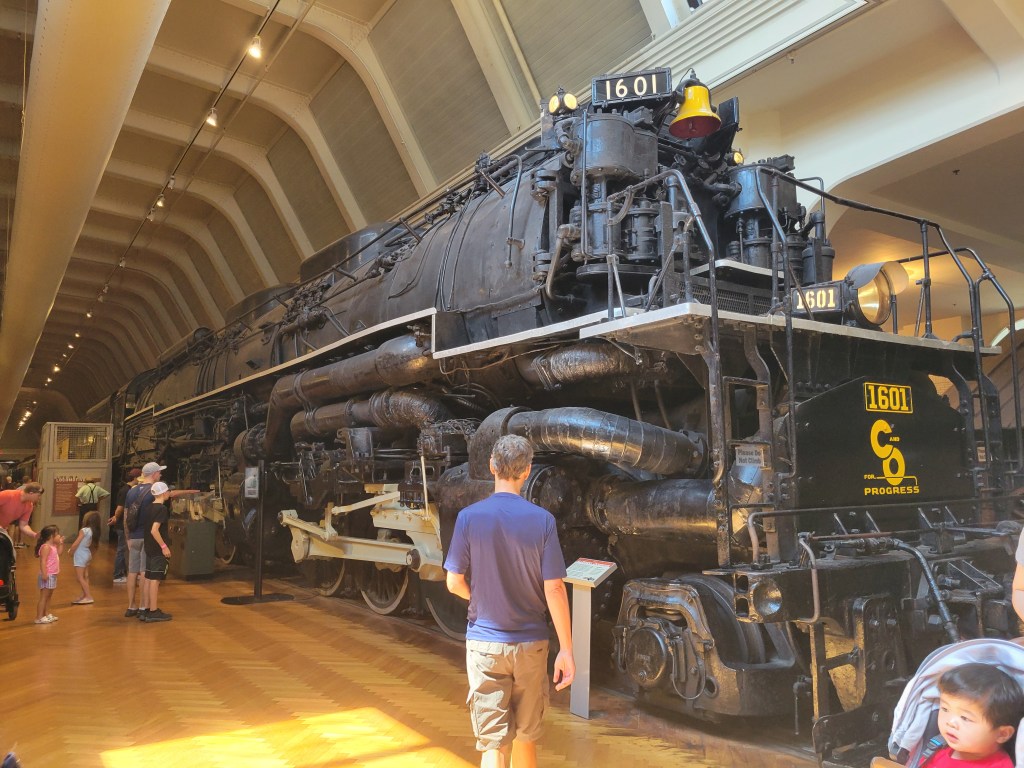

We were most impressed by the cavalcade of presidential limos that were lined up through the center of the museum. It was a sobering moment to walk past the car in which JFK had been assassinated. We didn’t know what to do with ourselves as we stood in front of it, especially in this setting. It felt weird to just walk by it like a novelty for our viewing pleasure. We did our best to be solemn when we passed it amongst the hustle and bustle and fun of the large, open, and energized atmosphere of the museum. It seemed to Julie that such a car might be better exhibited in a quiet room with an exhibit detailing the event and its impact on America, accompanied perhaps by a short educational video and testimonials from people who’d lived through it. At this point, having gone to a lot of museums, we have seen how potently exhibits can educate you and deliver you into a vivid and poignant experience of connecting with the full dimensionality of events in history, helping you feel what it might have felt like to live through it and to create a deeper sense of perspective about how that moment in history helped to shape our own world of the present. But, here the car was, just plopped in the middle of a huge crowded room, lined up like a chorus line with the other presidential vehicles. It was impressive and awe-inspiring nonetheless. The vehicle in which Reagan was shot, but not killed, was also there. We both wanted to linger, but the clock was ticking, and we had one more stop in Detroit before we’d be heading to our Harvest Host for the night.

Speaking of museums that create exhibits that give a visceral experience, our next stop was the Charles H. Wright Museum of African American history. Talk about a well-done exhibit.

It detailed the history of African Americans and the history of slavery, both starting long before the slave trade took hold in America. It provoked feelings of inspiration, awe, and horror when faced with both the best and the worst of what the human spirit is capable to do. There was a section of the exhibit that takes the visitor through a series of small dark rooms without view of a quick exit until you find yourself in the belly of a slave ship with no view of the exit behind or in front of you, both purposefully hiding behind a turn. Julie found herself experiencing resurges of the claustrophobia that she had long left in the past walking through the tight, dark and horrific setting. She found herself wanting to retreat back through the beginning of the exhibit and then thought, “Gosh, if these people had to go through this horror in real life, I can handle some mild fear and discomfort for a few stinking minutes just walking through it as a witness in a completely safe and free environment.” Now that’s what a museum exhibit is capable to do when designed thoughtfully and skillfully.
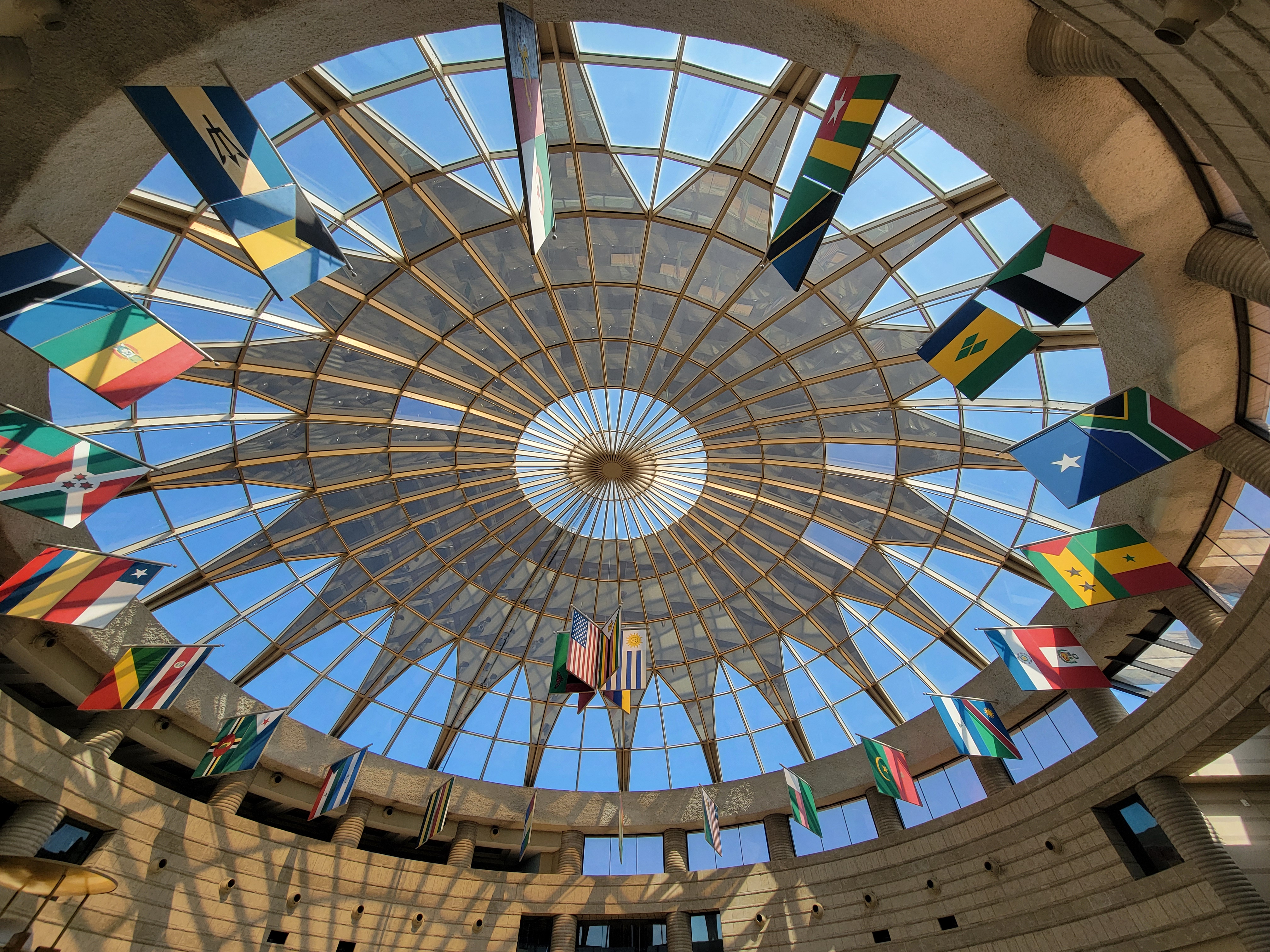
There are so many elements of human behavior and events that have expressed the absolute worst of what humans are capable to do that can absolutely boggle the mind, but we appreciated the opportunity to learn about them, bear witness, and try to understand the past as the streams and rivers pouring into the present. Like every other thing we visit on this trip, we left wanting more time to pour over more exhibits, but were very glad to have had the opportunity to spend a little time there.

We made our way to a Harvest Host for the night run by a lovely couple that lived on Bullard Lake and let us park in front of their garage and plug in to their electricity. They didn’t charge for the plug-in since it came right from solar, and they said they had plenty of extra electricity. The wife was originally from Canandaigua! A small world indeed. We shared enthusiastic conversations about van life and heard about the husband’s time working for GM. They were welcoming and generous, as we’ve happily found Harvest Hosts to consistently be. It is really such a lovely resource and community and a great way to encounter the best of humanity – hospitality, generosity, camaraderie, and good old-fashioned friendliness all found in abundance.
When we woke up at our Harvest Host the next morning, we drove to a nearby state park to sit in the van and enjoy the views of some beautiful water that Julie would eventually dive into after going for a hot run through the hiking trails of the park. We also dove into our various projects before hitting the road to make our way up to Bay City on Lake Huron.
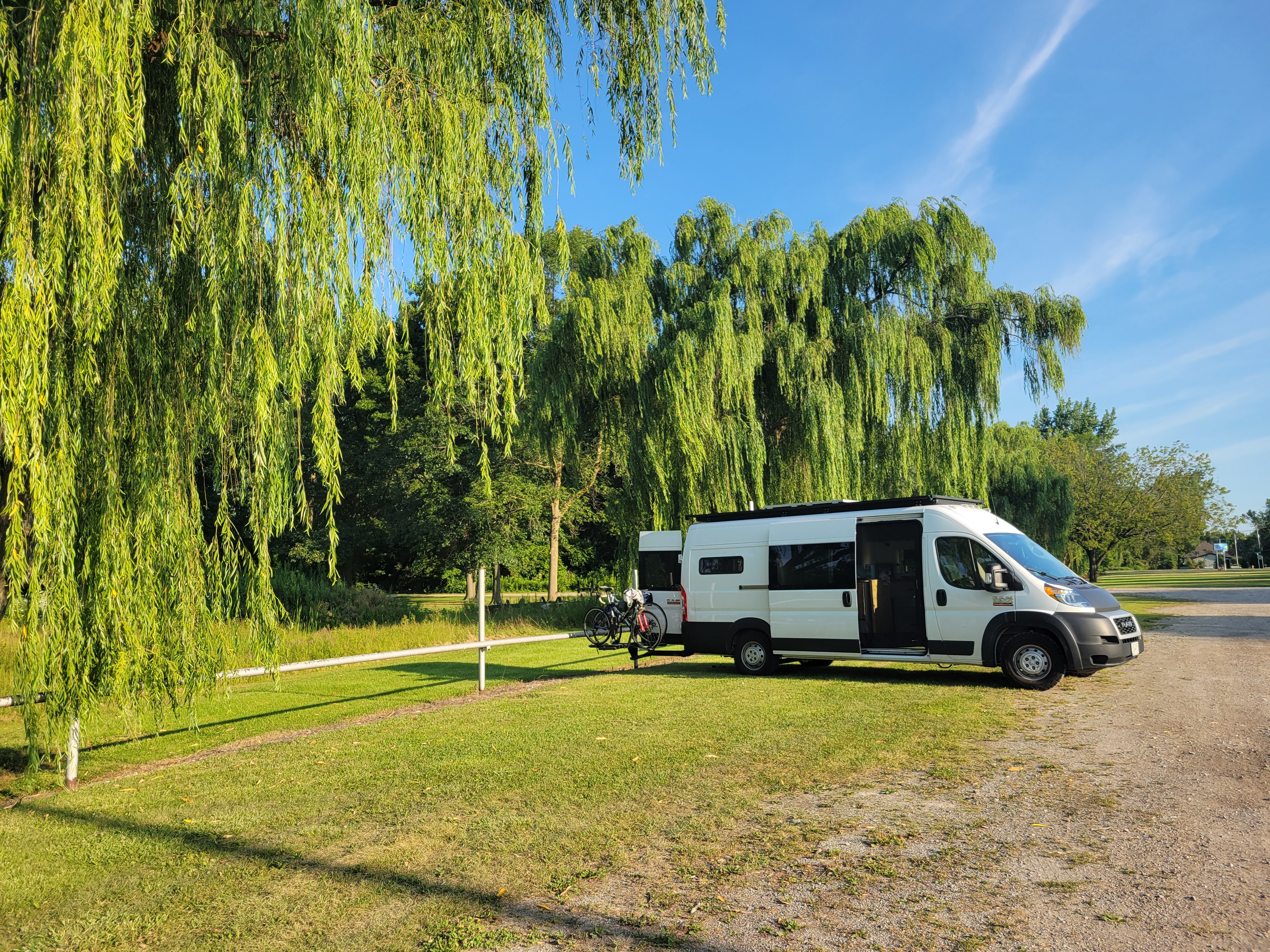
We used the iOverlander app to find a great parking spot in Bay City under some willow trees about fifteen minutes from the next morning’s 5K. It was a beautiful place to set up for the night and we settled in for dinner and a relaxing evening. We heard blaring country music coming from down the road. We went to check it out and found some kind of party on the marina. There were food trucks and tons of people enjoying live country music. This is just the sort of unplanned experience of people living their lives that we’re grateful we got a chance to stumble upon.

 R and J in the USA
Leave a comment