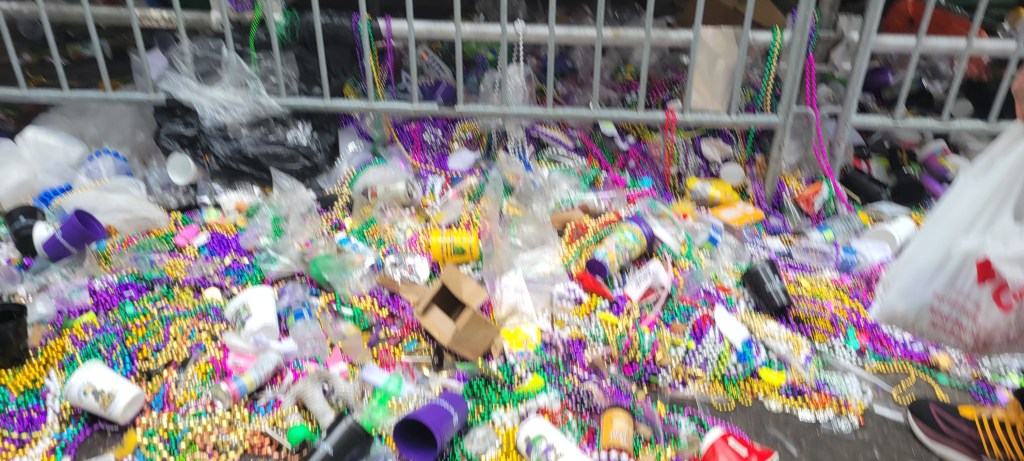
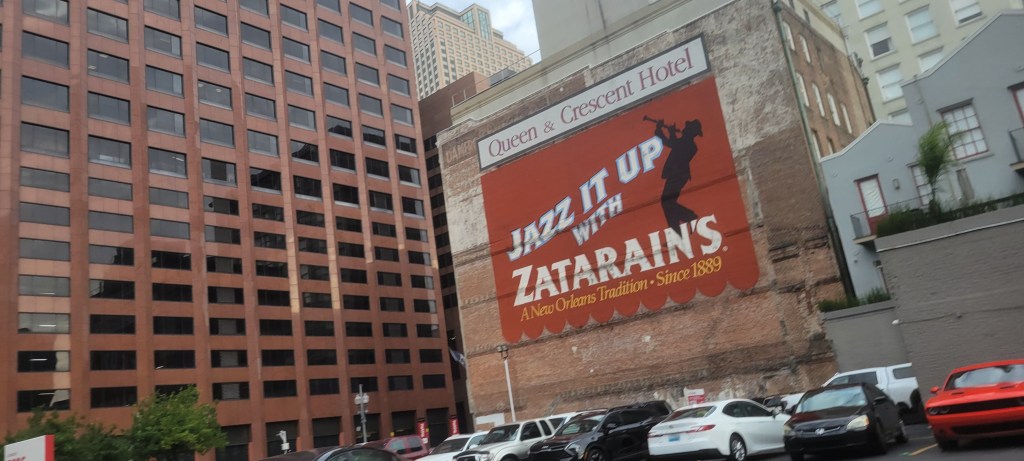

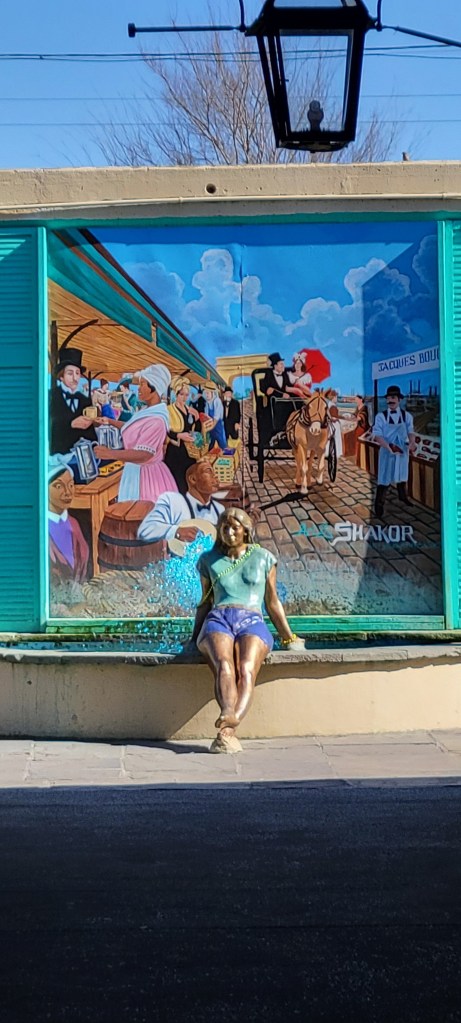

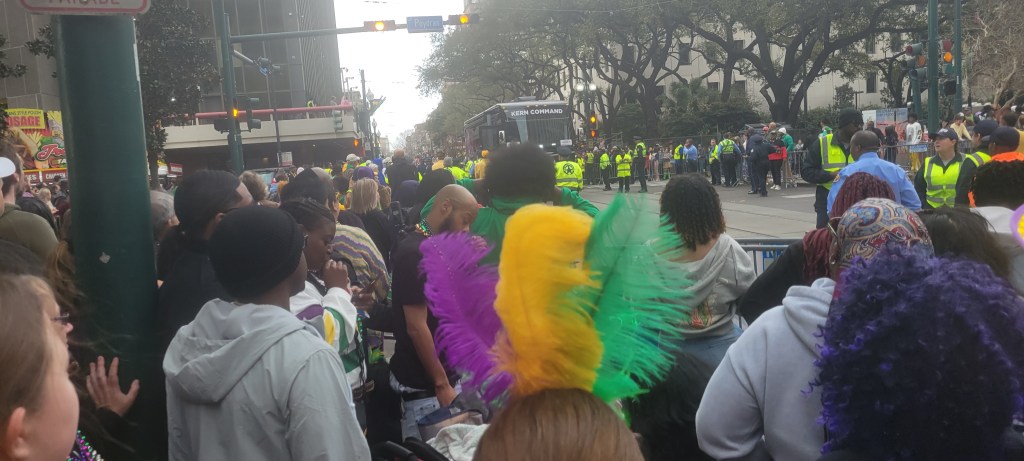
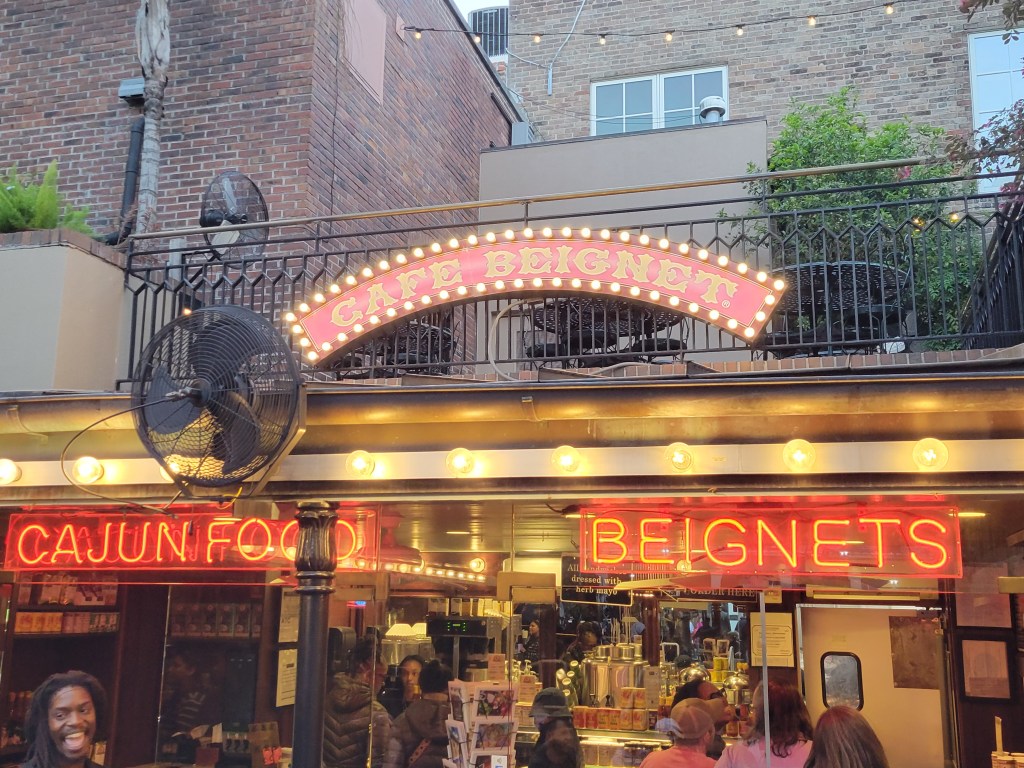
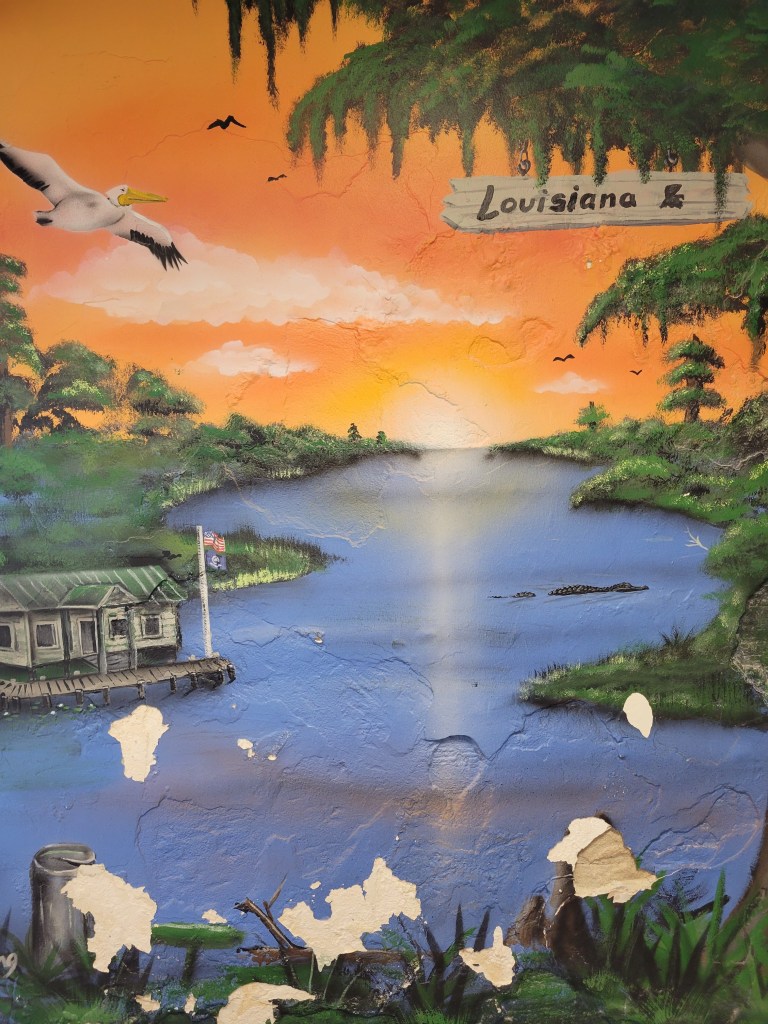
Louisiana has a certain something. It is a something that you are not going to find anywhere but Louisiana. It is so distinct and so identifiably Louisiana, yet difficult to put into words. It is made of whatever feeling comes together from the wrought iron railings on the porches of buildings and beams that hold them up, floor after floor. It is mixed in with the purples and greens and yellows of Mardi Gras festivities and attire and beads that you can see strewn amidst the trees in any town you visit during the festival season. It is made of the red legs of food grabbed from the sea boiling in pots. It is the taste of a perfectly spiced red potato. It is the street names in French and Spanish and the seemingly infinite creative ways that fleur-de-lis manage to show themselves. It is a crossroads of culture and history in a strange mix of courage and cruelty and discovery and creativity and kindness all mixed and mashed together. It is the taste of Cajun seasoning that hits your tongue just perfectly in that certain kind of way. It is garbage on the ground in unexpected places and art and architecture that tickles your spirit with a bohemian inspiration. It is the unmistakable fluff and sweetness of a beignet on your tongue. It is the stickiness it leaves on your fingers and the delightful heaviness it leaves in your belly when you’re done. It is a boiling pot of memories, some horrible, some beautiful and all rich with a spirit of something unbreakable. It is jazz on every corner in unexpected moments coming out of mouths and hands of all ages, colors, sizes and creeds. Louisiana is gumbo and jambalaya of the soul, a perfect mixture of its parts, each wonderful in their individual nature, and becoming something transcendent when mixed and marinated together over time. Louisiana is a place where land and water fuse and something, from that fusion, uniquely grows and refuses to do anything but shine.
We had a fantastic time in Louisiana and did our best to absorb, imbibe and ingest as much of that special Louisiana something as we could.
We learned a lot in Louisiana, and left with an awareness of how much more we would have liked to know.
We learned about the history of cultures that made their way to these unique gulf shores over the centuries. We learned a bit about some of the native people that made this special place their home for thousands of years and left their mark on the land and the culture even after new cultures came in and began to push and pull for claim to the place. We learned about the Spanish, the French, the British and the American chess games that took place giving and taking and selling and buying. We learned about the Louisiana Purchased that put a final end to it all and changed the course of United States history. We learned about the landscape and the plants and wildlife that have long called these marshy wetlands their home. We learned about the struggles for some of those species to stay in existence as human civilization began to make their mark on the habitats and how some of them made their way back into thriving. We learned what a bayou is and what makes it different from a canal. We learned about how Tabasco sauce gets made and how the iconic business opened its doors in 1868. We learned what a Cajun is and what a Creole is, the difference between them and a bit about their history. We learned how Baton Rouge got its name (it means Red Stick, and was the name given by a Frenchman named Bienville when he saw the red stick in the ground where the native tribes marked the line between their respective lands). We learned the violent history of the slave trade in New Orleans and a bit about what life was like for enslaved people on the Louisiana plantations. We learned about the slave uprising of 1811. We learned that, when the Spanish laid claim to the land that enslaved people of the time, under Spanish rule, were allowed to buy their freedom and so, New Orleans had more free people of color than any place in the south long before the emancipation proclamation. We learned about the controversial and impactful legacy of Governor Huey Long and where and why he was assassinated in his newly built capitol building. We learned about the resilience of a city and a people after being hit by Katrina. We learned about some of the struggles of rural Louisianans through the history of the state and up to today. We learned about why Louisiana’s cemeteries are above ground, how they work and what makes them so efficient. We learned about alligators and why we didn’t need to be as scared of them as crocodiles – though plenty of respect for their power would still be wise. We learned about mosquitoes and the people that work hard to keep them in control and keep the people of Louisiana safe from mosquito borne diseases that, globally, are the number one cause of death. We learned about people who are proud, resilient, strong, spirited and filled with creativity and music just absolutely flowing out in all directions. We learned more than enough to know that there was so much more to learn of which we hadn’t even touched the surface.
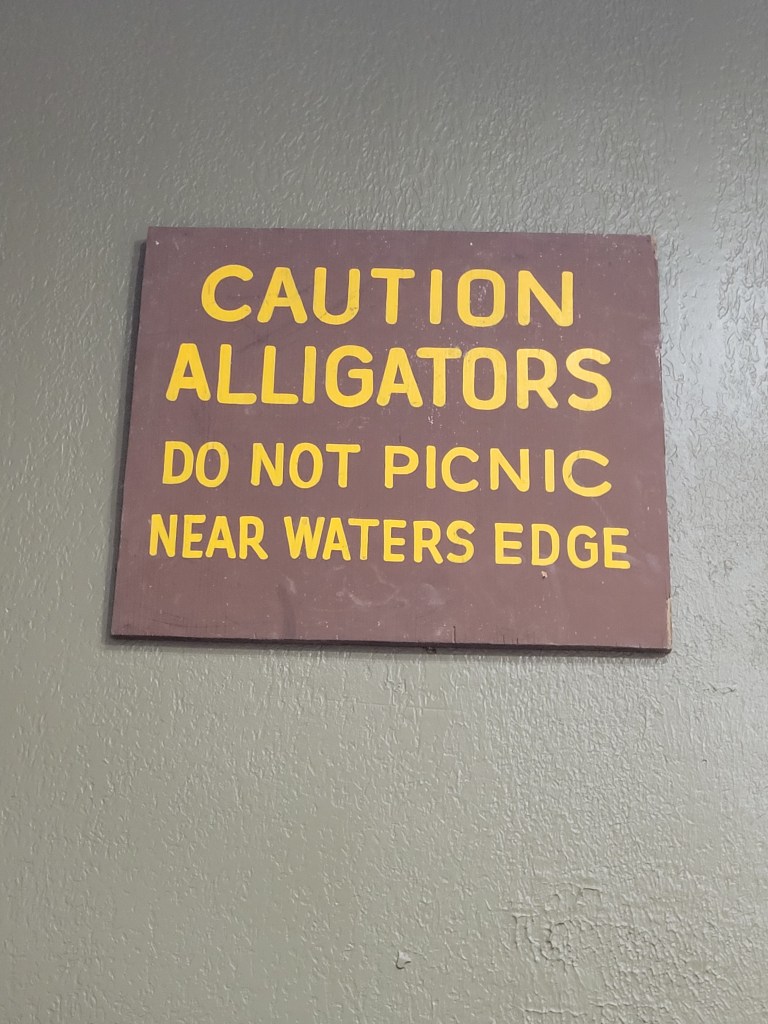
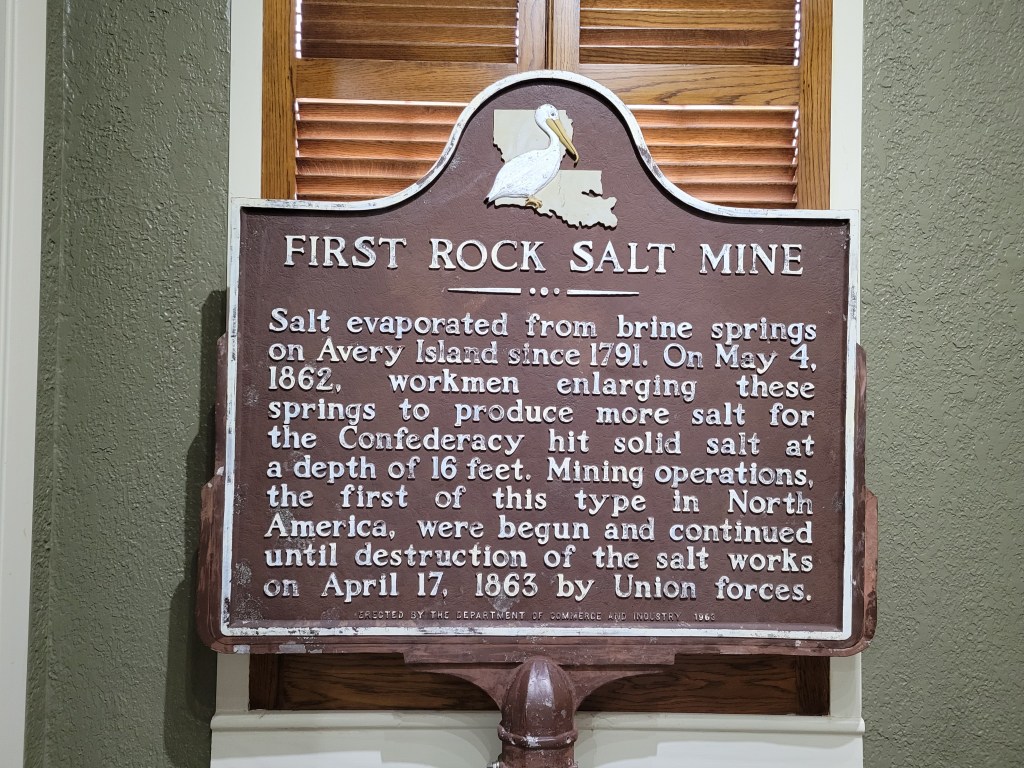
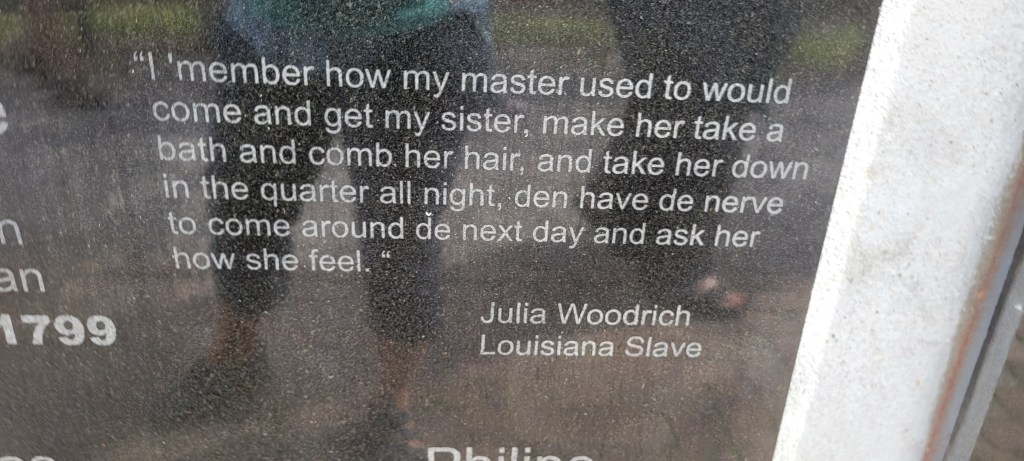
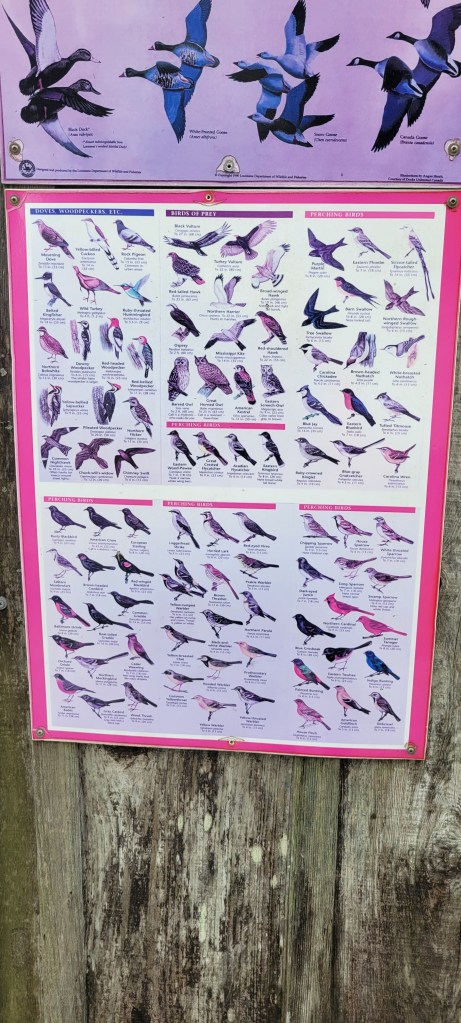

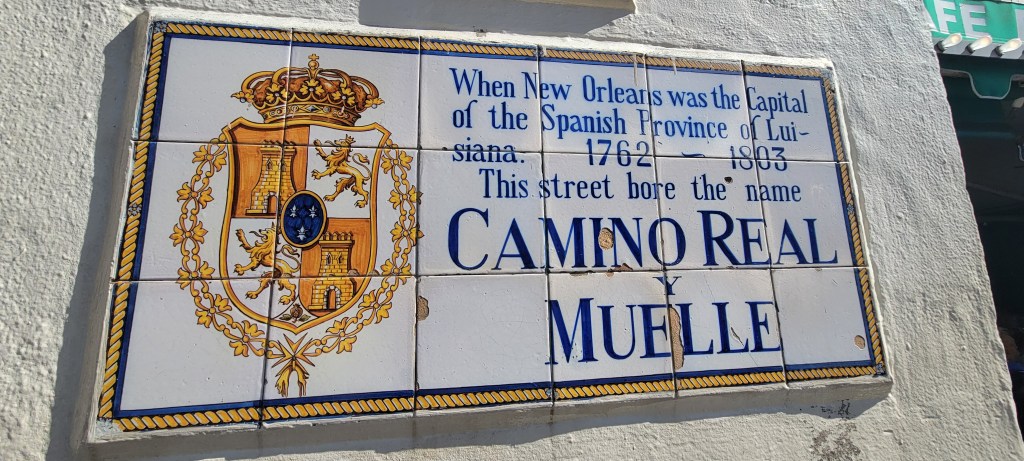
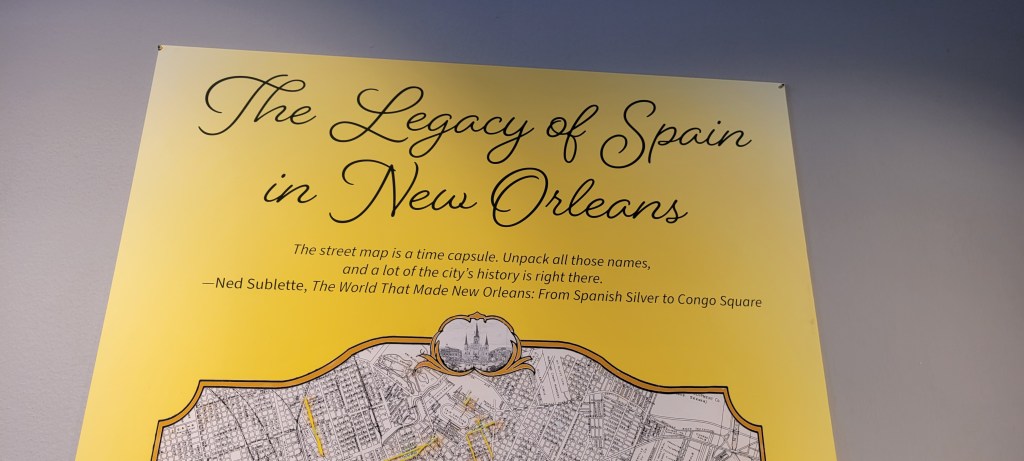
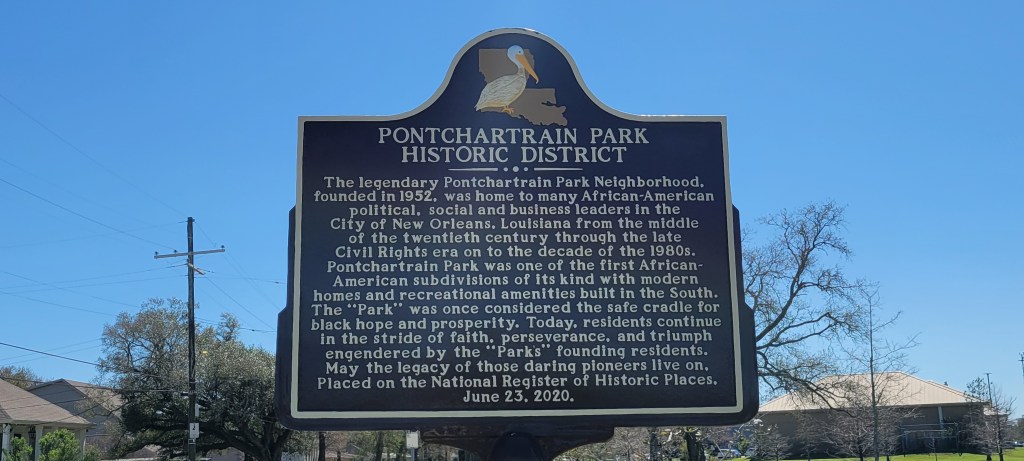

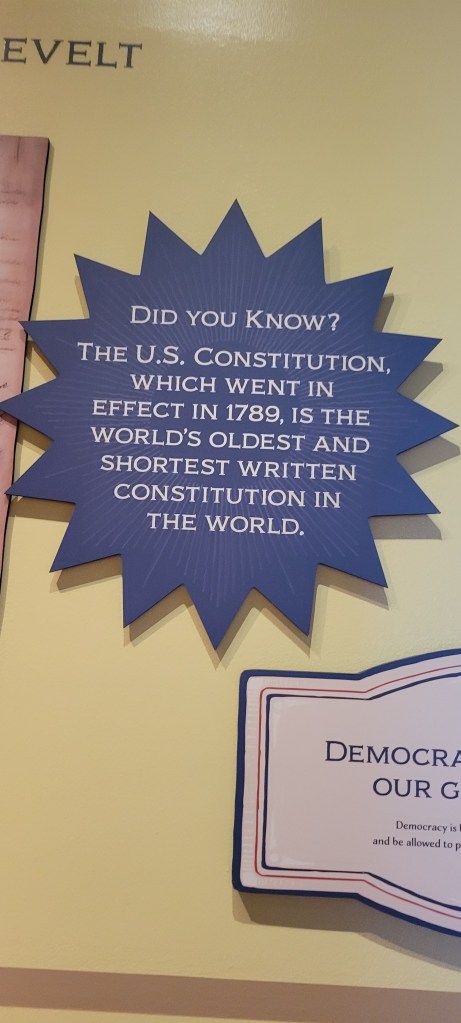
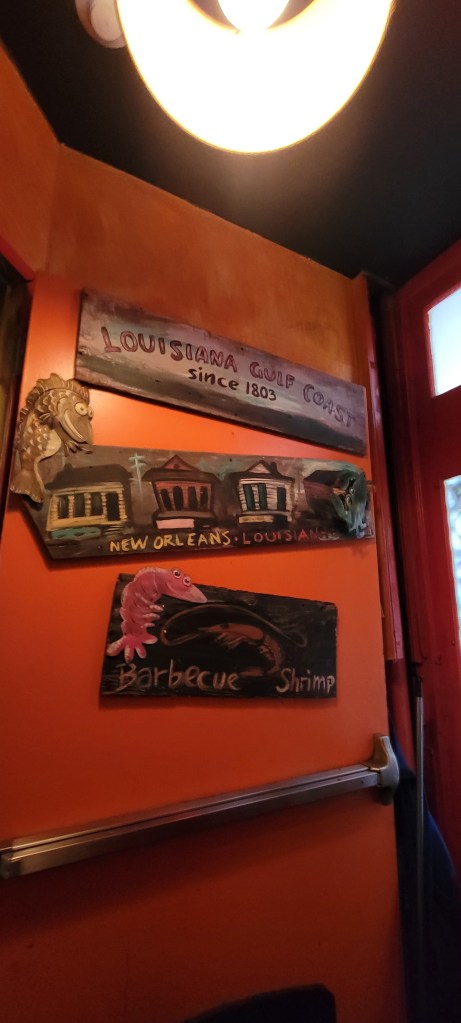
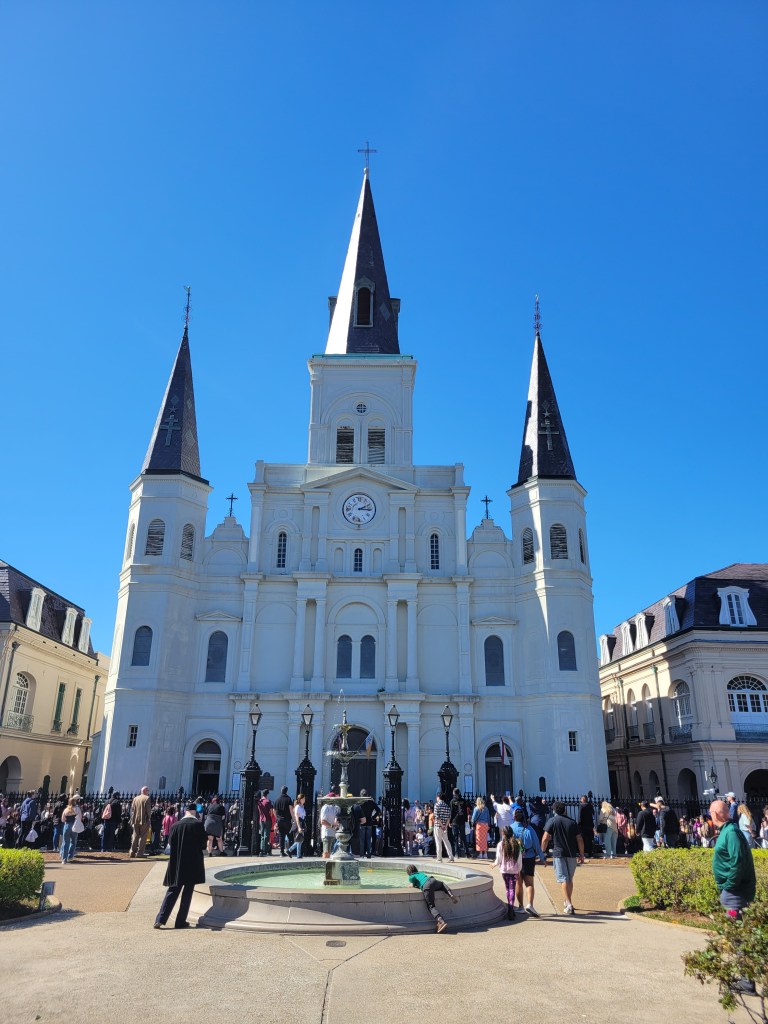
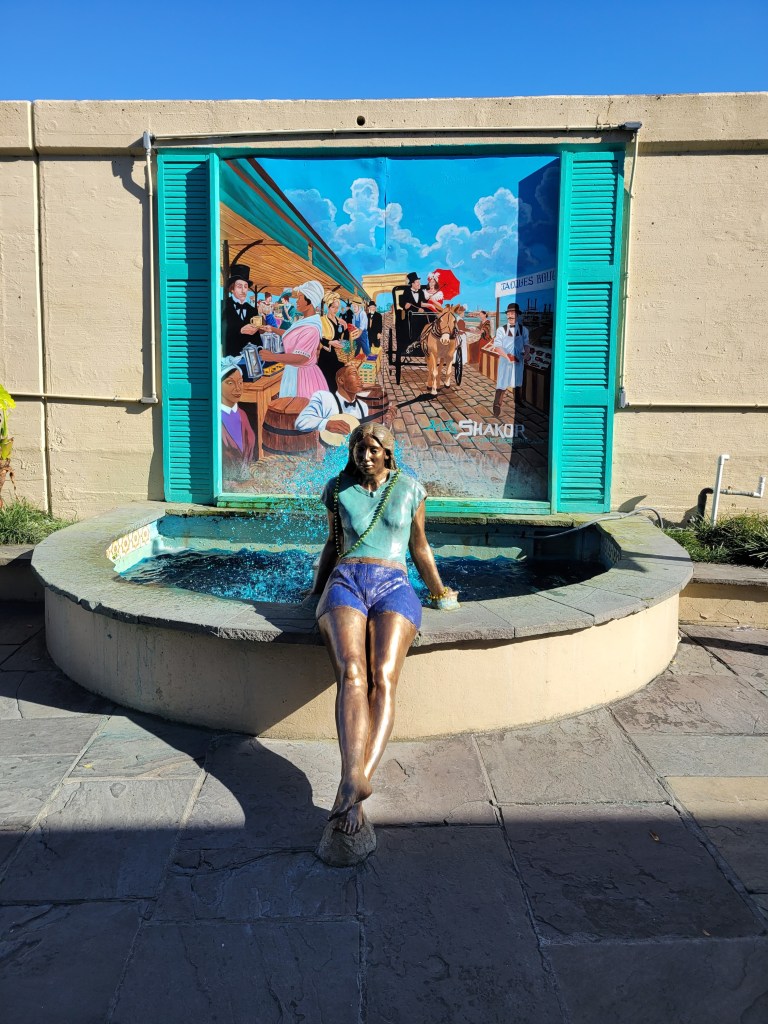
Our travels in Louisiana began in its most famous and largest city, New Orleans. As we walked the streets of the French Quarter and drove through the city’s outer reaches, we decided that, in the United States, if there is a short list of places with the most personality, the most unique flavor that is their own, New Orleans would make it to the top three. There is simply no place else like it.
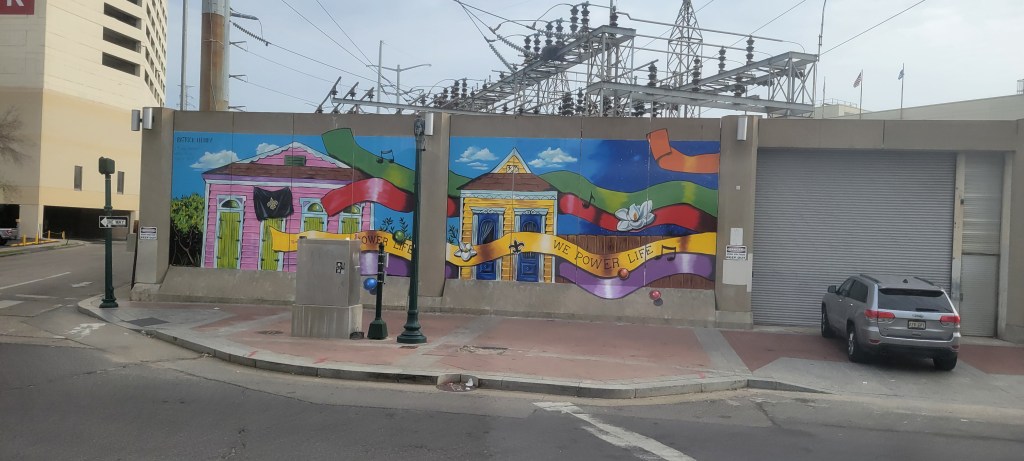
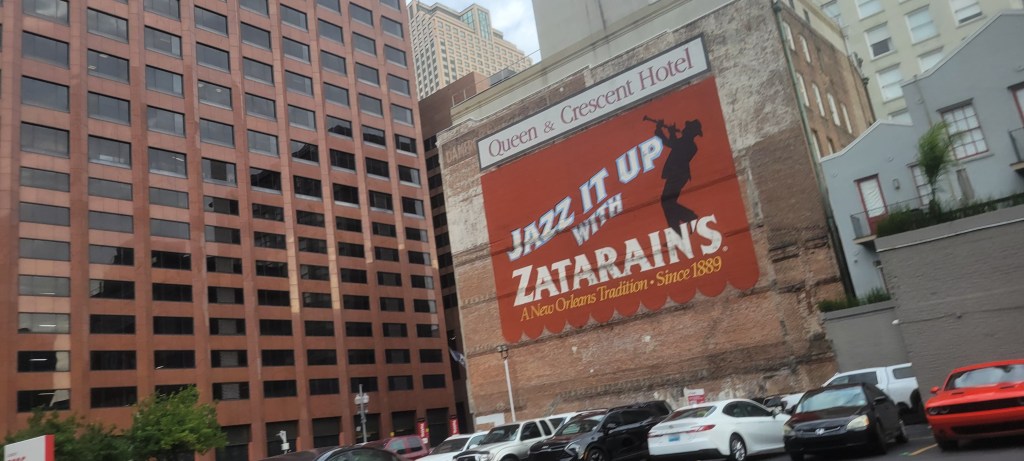


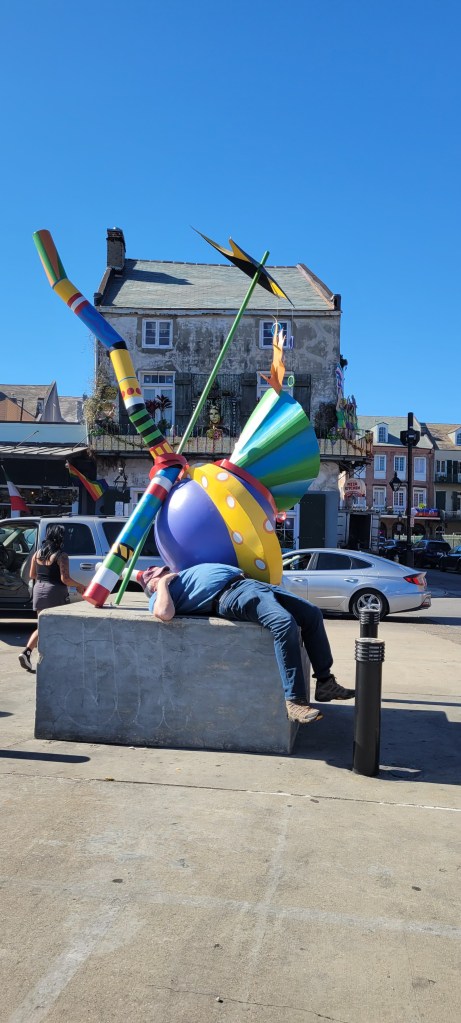
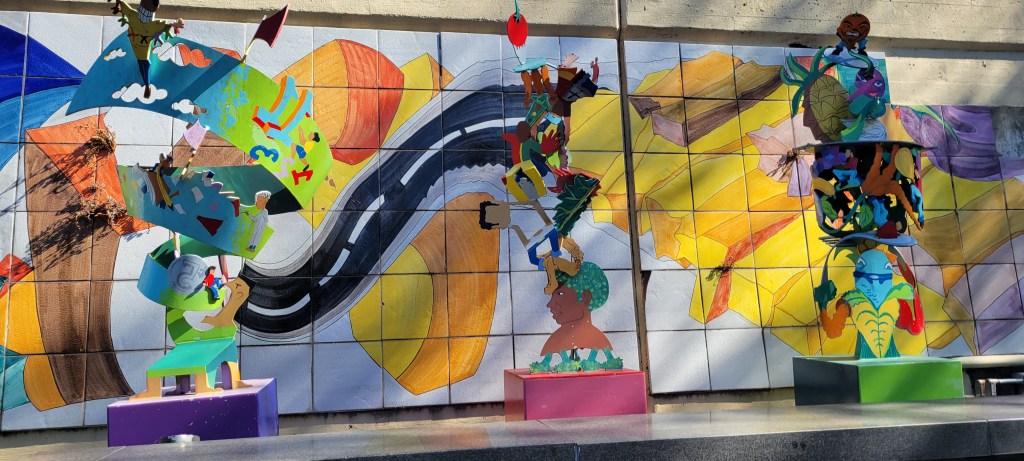
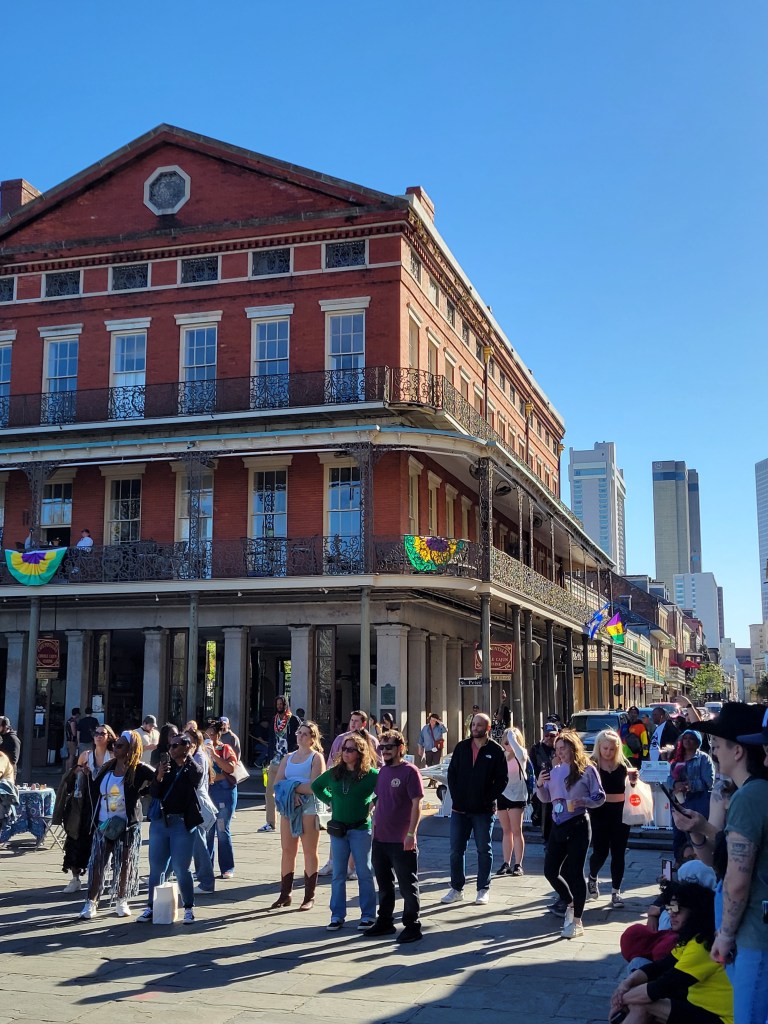

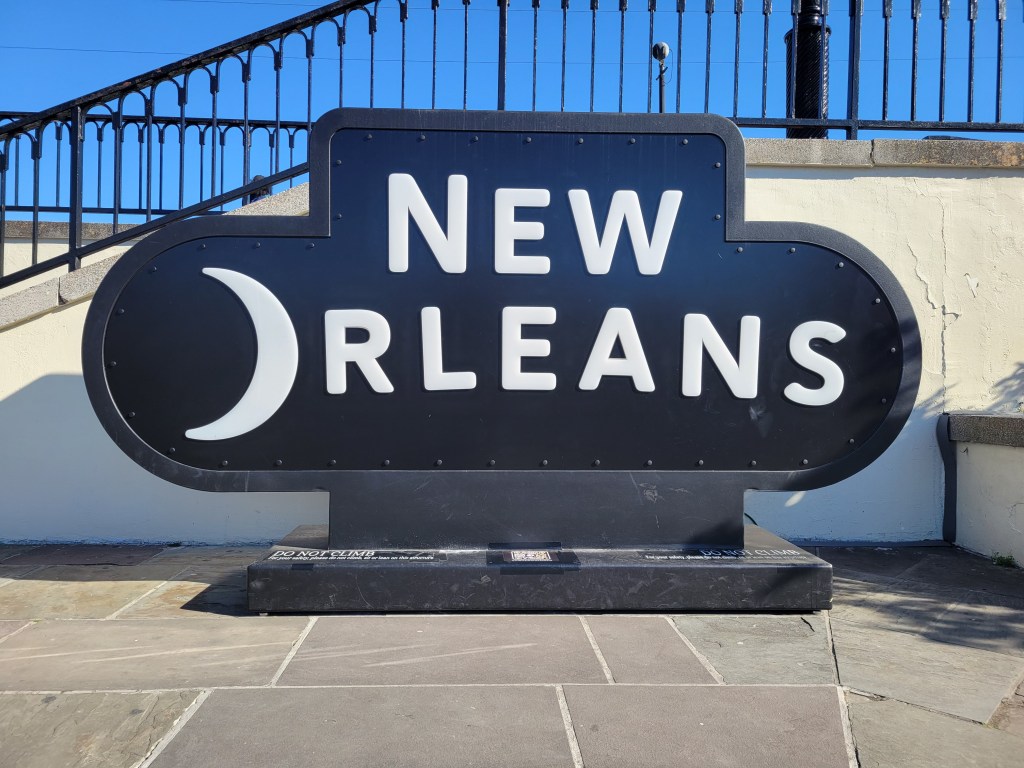
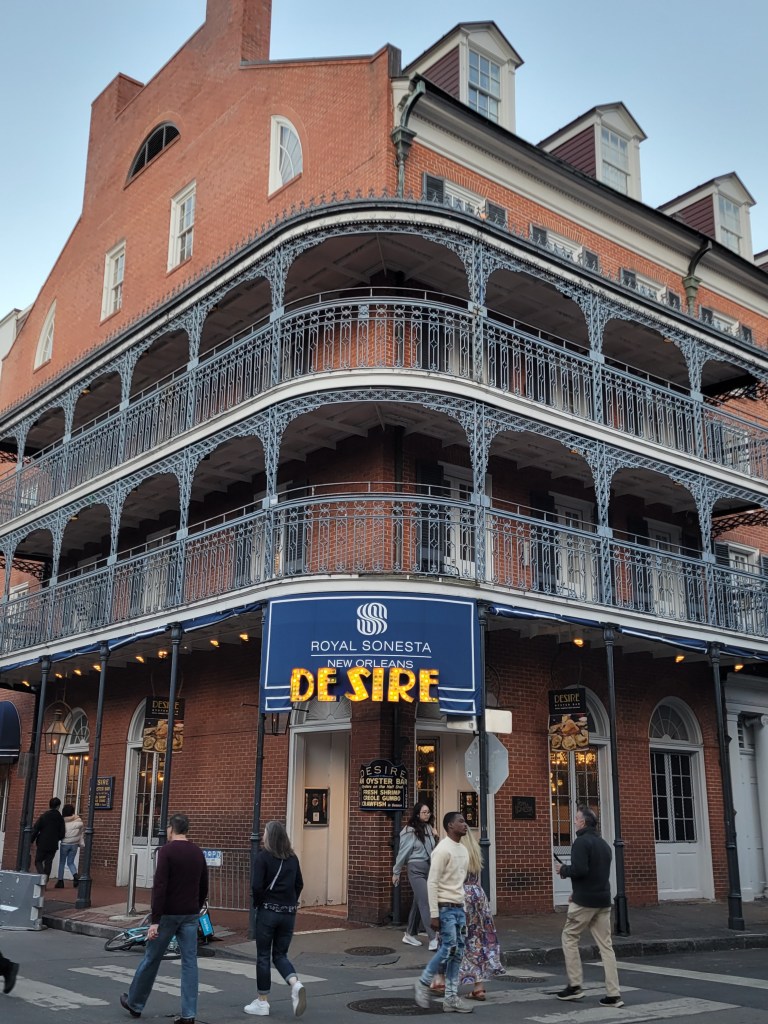
We rolled into our RV site just around dark on March 3rd, the day before Fat Tuesday, the final day of the Mardi Gras celebrations, the actual Mardi Gras. We were more than a little excited to dive into the festivities the next day. The day was filled with so many wonderful and interesting people that we gave our entire Mardi Gras experience another post in our People Along the Way section. The day was everything we had hoped and suspected it might be. You can read about it from start to finish in that separate post.
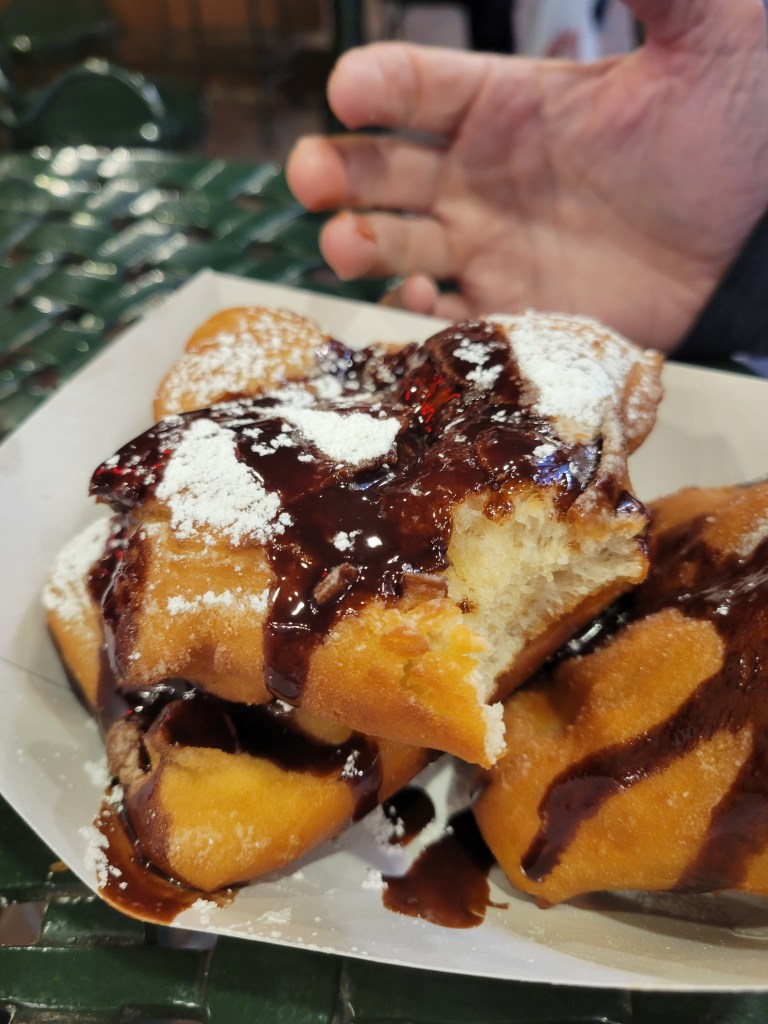
When planning our itinerary, Julie had purposefully given us an extended stay in Louisiana. Between Mardi Gras, the National World War II museum and all of the other sites worth seeing, we knew we could easily spend 8 days in New Orleans alone. We would settle for 3 days, the longest we would stay in any one city on this trip so far (except our stay on the island of Kauai) – and it would prove to be not nearly enough. We decided to luxuriate in a full morning the day after our Mardi Gras adventures, enjoying our time in place without needing to drive. This meant, by the time we got into the city, we only had a short few hours to explore. We wandered the French Quarter post Mardi Gras, getting a chance to see the lively area outside of its famous festive scene. Julie managed to hit 2 out of 4 Louisiana Museums and was bummed to miss the one that told the history of Mardi Gras and Hurricane Katrina. Though she had arrived with 20 minutes before closing, the museum turned her away, indicating they stop allowing people in 30 minutes before closing. Julie grumbled at the rule, but did her best to hide her disappointment and graciously accept the denial. Julie knew she would not be able to eat the city’s famous beignets and insisted that Ryan take one for the team and dive into the special local treat. Ryan, ever the team-player, did what needed to be done. Julie had found a spot that offered gluten free fried seafood (one of her favorite foods and a NOLA must have) and there were many gluttonous smiles as a result. While Julie also missed the jazz history museum, we got a taste of plenty of amazing street jazz. Just about any corner you turn in the French Quarter, you are bound to be within earshot of some spontaneous jazz filling up the streets. And it is not just any jazz, it is a New Orleans brand that just absolutely fills the air with something remarkable that stays with you even after the notes have stopped reverberating.
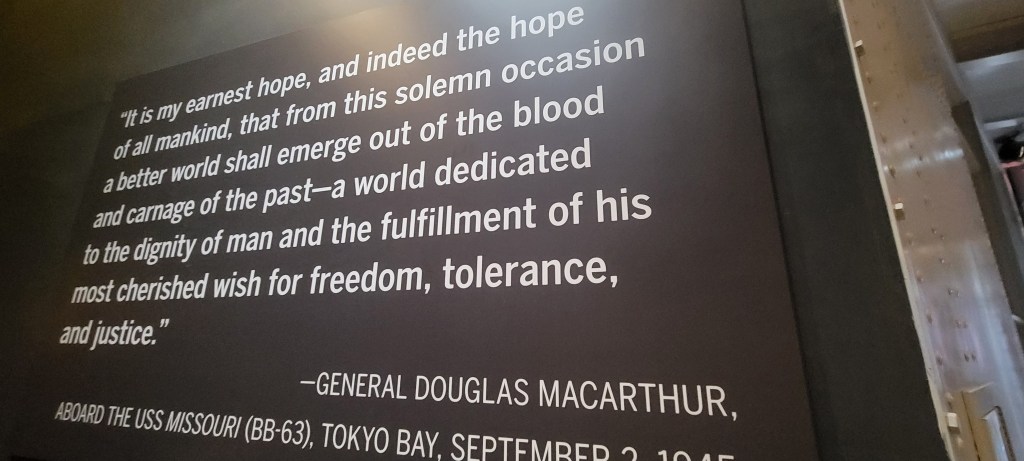
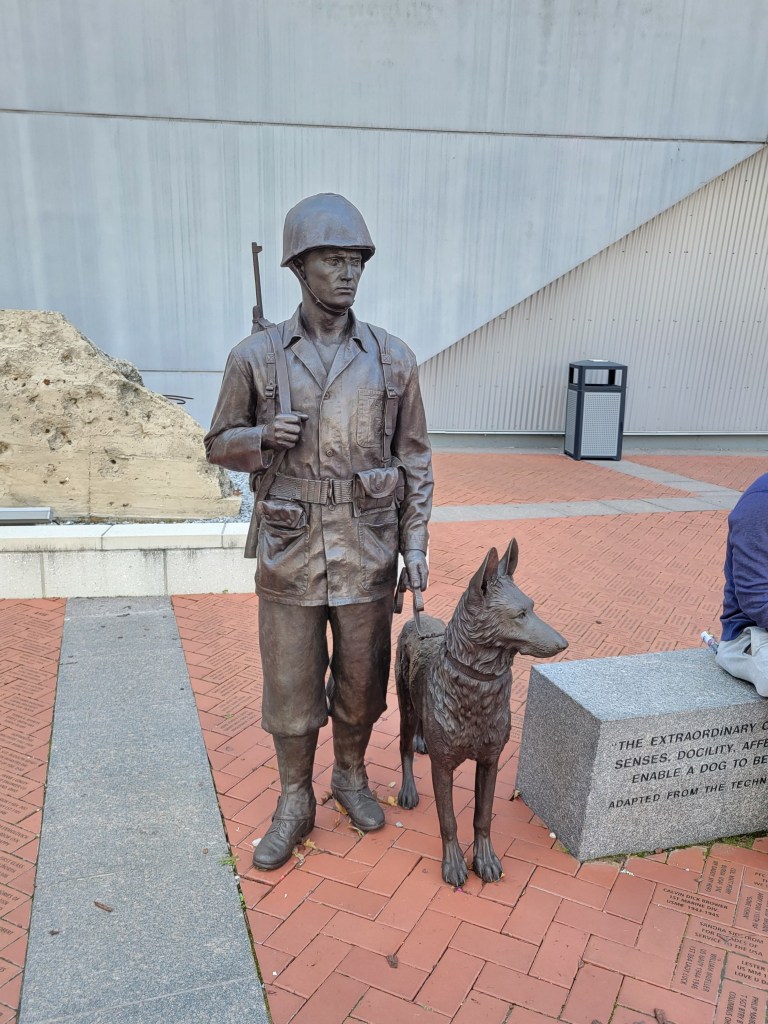
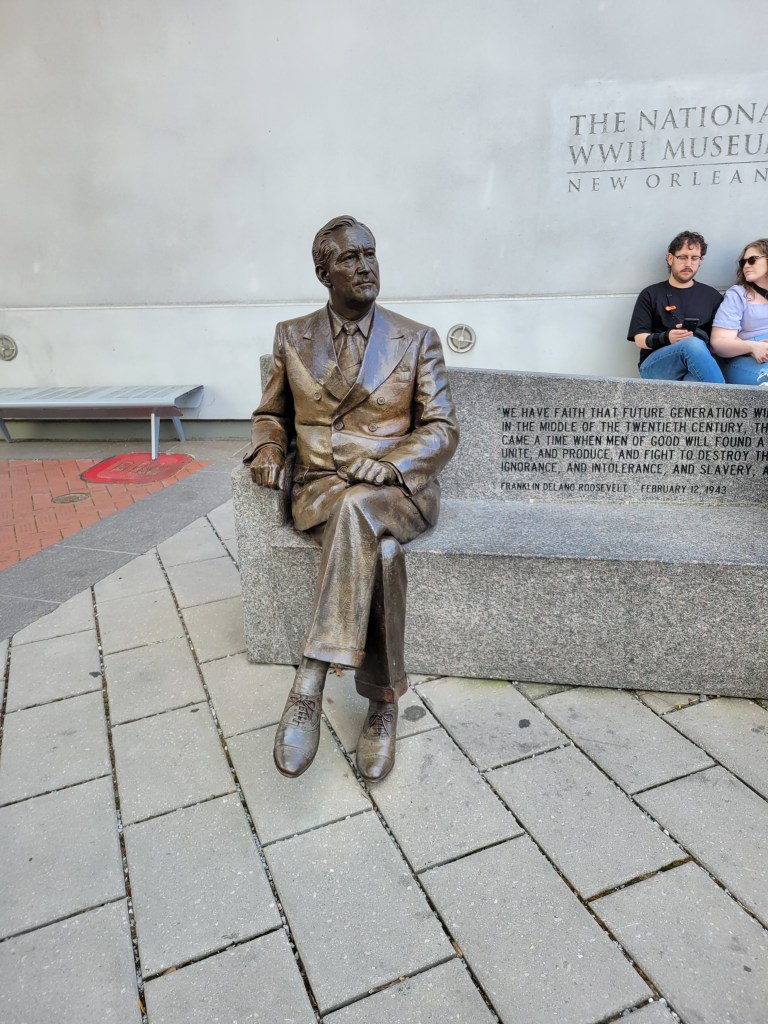
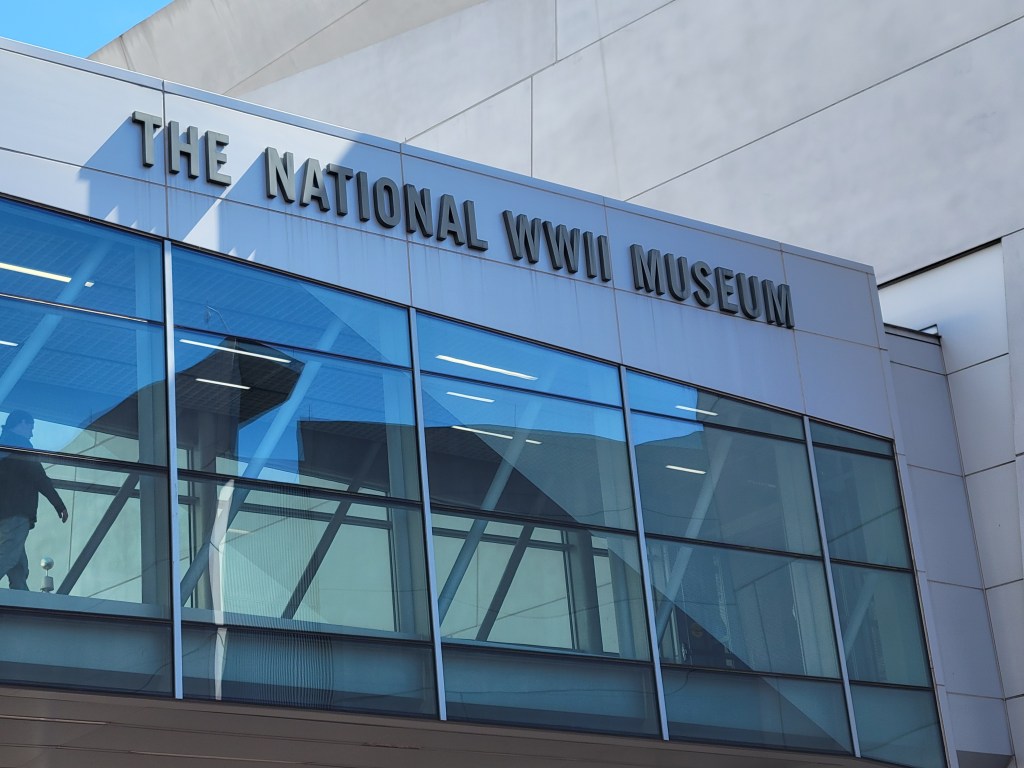
The next day, we would cram in the National World War II Museum and a stop at St. Louis cemetery number 1 before heading to our next campsite at Bayou Segnette State Park. Keep in mind, when Julie had come to New Orleans in the fall of 2023 to do research for her musical trip, she ended up spending five days JUST to visit the World War II museum alone. She, of course, had read every single word on every single display (up until she ran out of time and left ⅓ of the final exhibit unread). So, for her, to have only 2 hours to spend there and to watch Ryan only get 2 hours worth of a taste of it, was mildly painful, but being there at all filled her heart with a special feeling. Warm memories of her musical trip, which remains one of the best experiences of her life, plus the specialness of getting to share in this place with Ryan. Ryan agreed, it was, undeniably, one of the best museums he had seen. Then, there is the fact that there is something special about learning about World War II. We discussed it and decided that we could talk and write for hours about what that special something is. Whatever it is, they manage to capture it at the National World War II Museum in New Orleans. For those wondering why the National World War II museum is in New Orleans, it is because Andrew Higgins, the maker of the famous Higgins boats made those famous D-Day boats in NOLA.

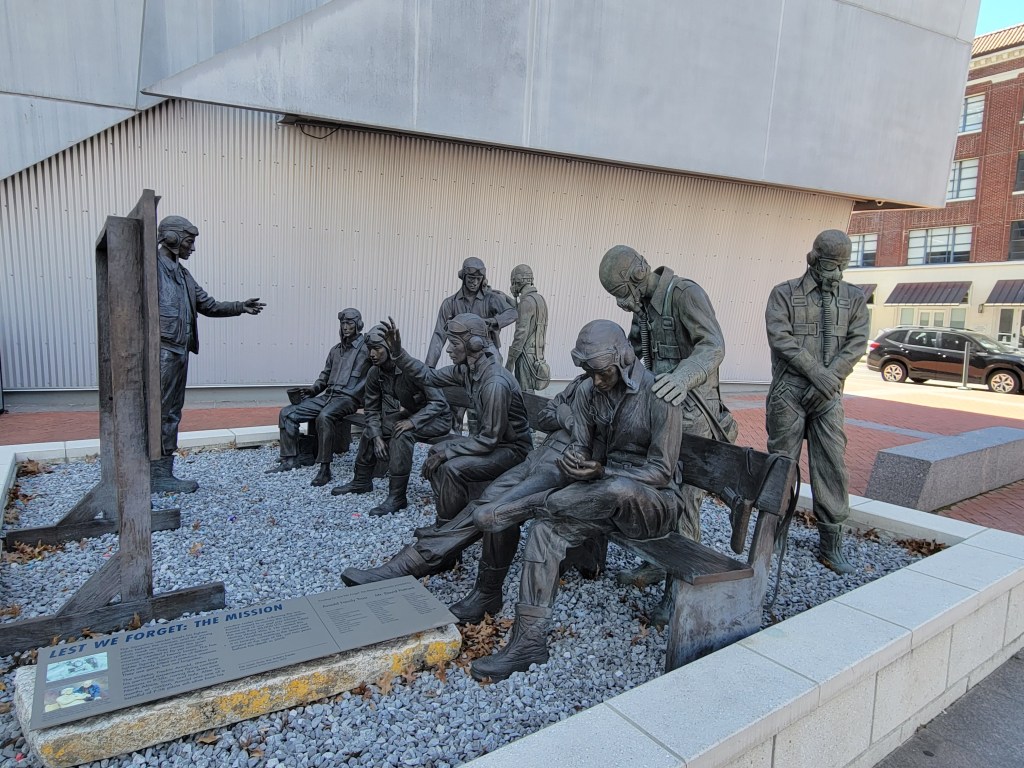
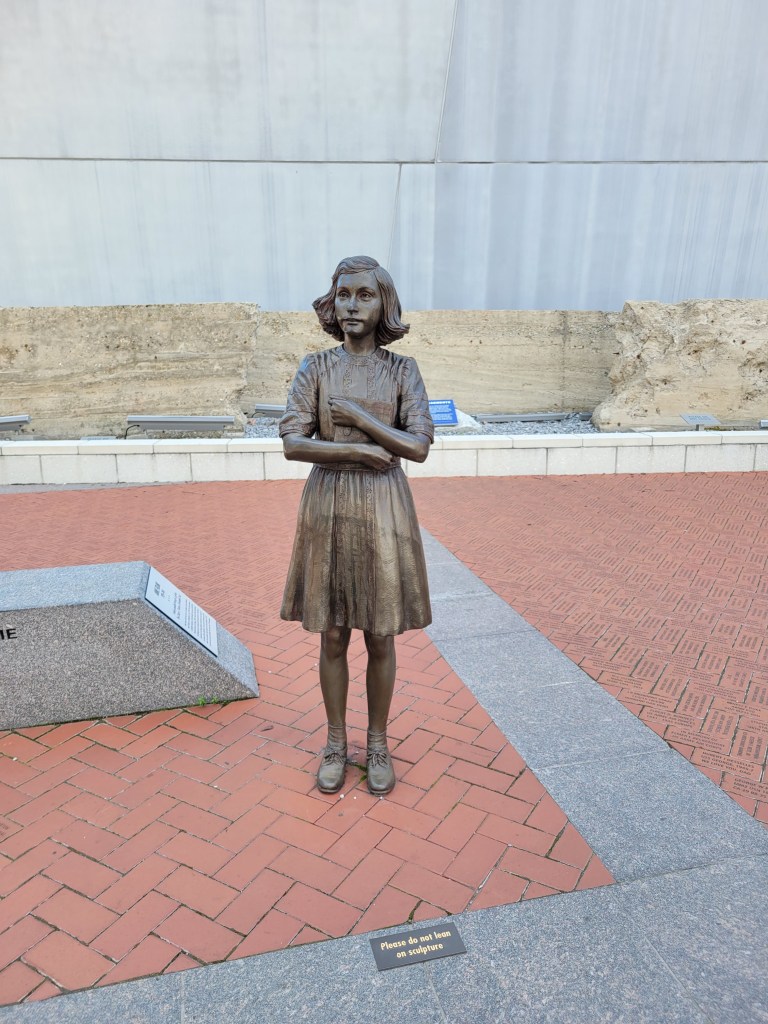

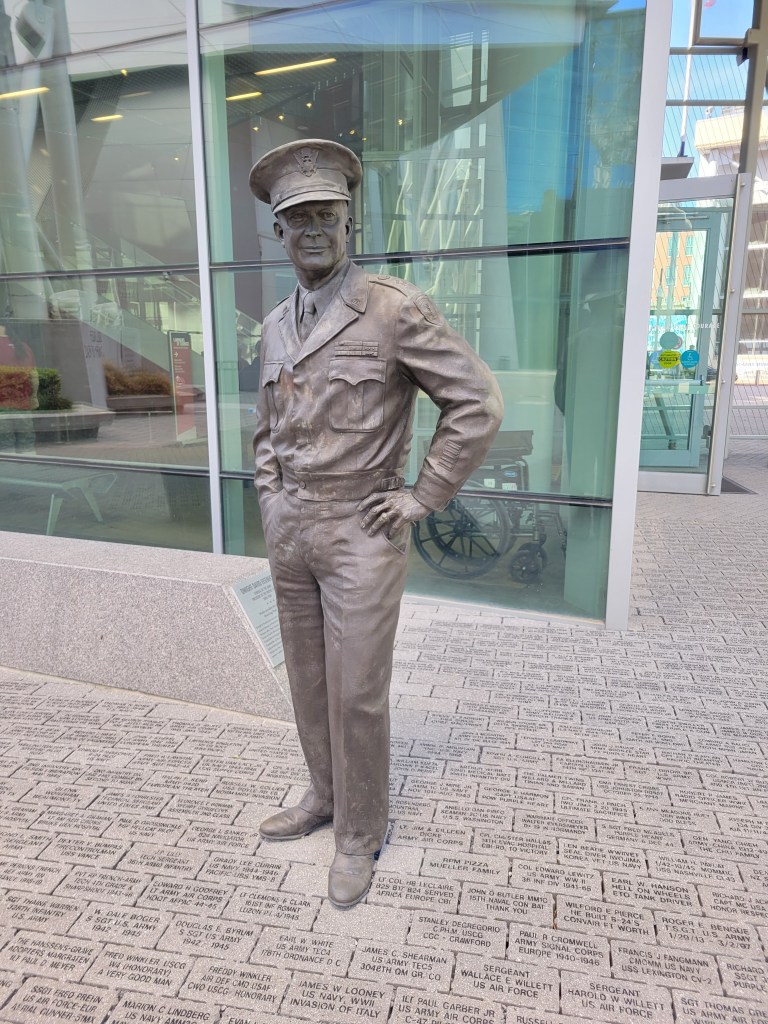
Our next stop was the St. Louis #1 cemetery. We went on a wonderful tour (the only way you can visit) and learned how an above ground cemetery works. All of the graves inadvertently function like, essentially, slow-cooking crematoriums. After a year and a day, the bodies of the deceased, now turned to ash, are pushed into the back of the tomb, making room for newly deceased family members to be buried with their kin. As a result, tombs that don’t look like they could handle more than 3 or 4, are actually an eternal home for as many as a hundred people or more.
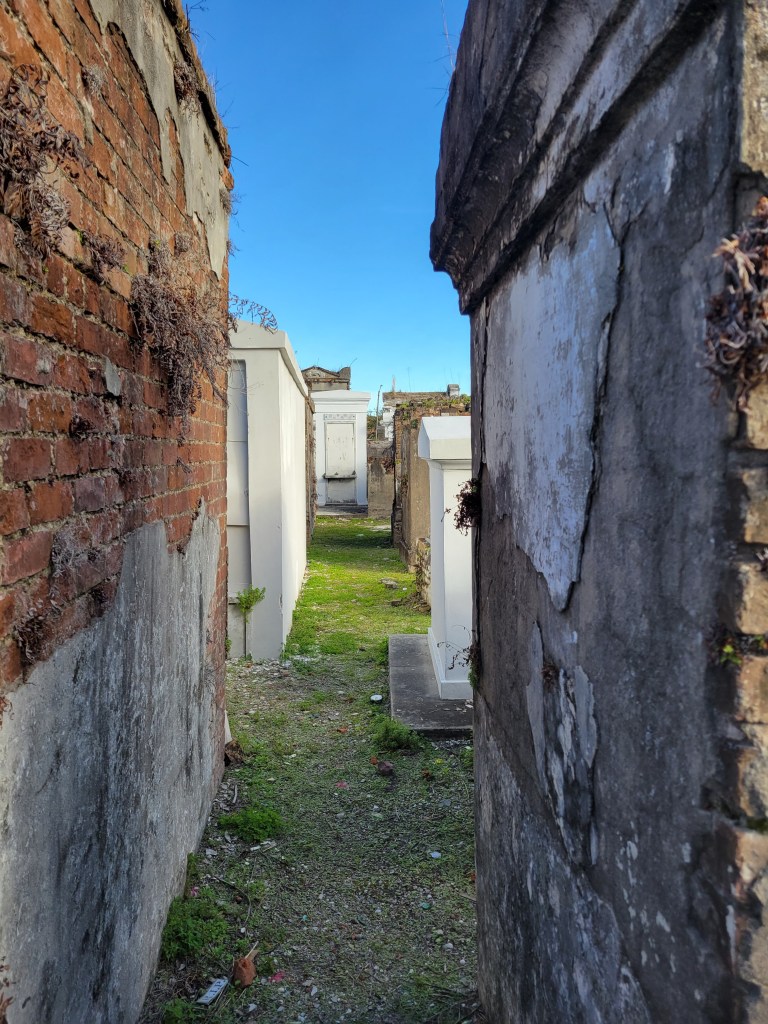
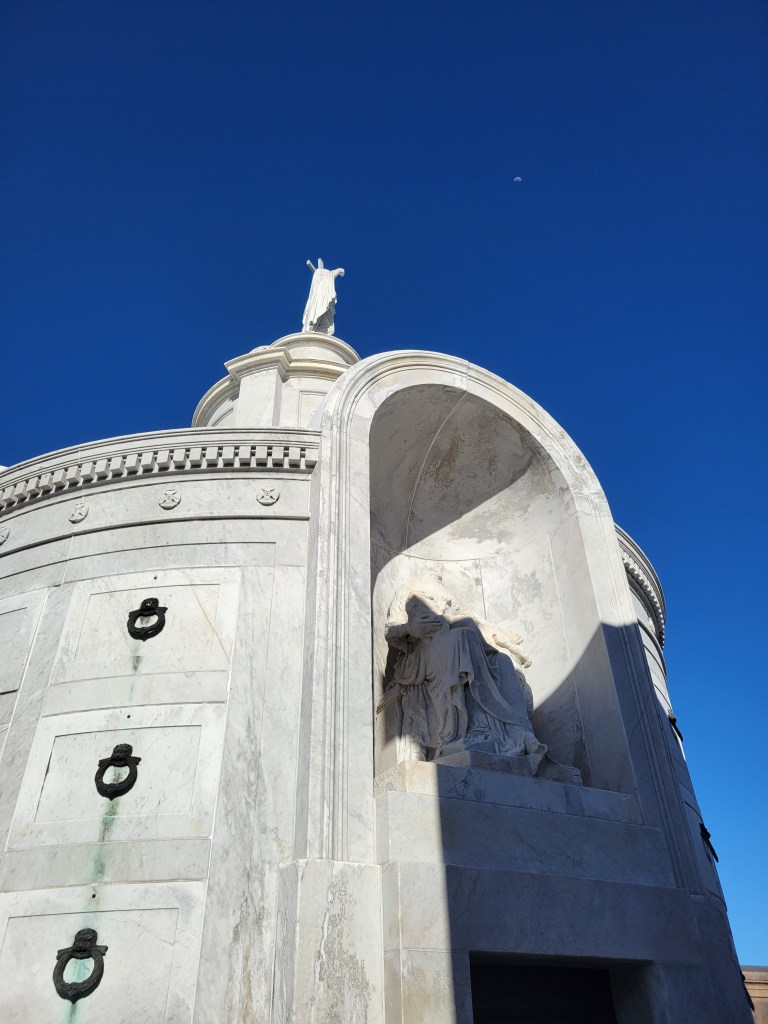
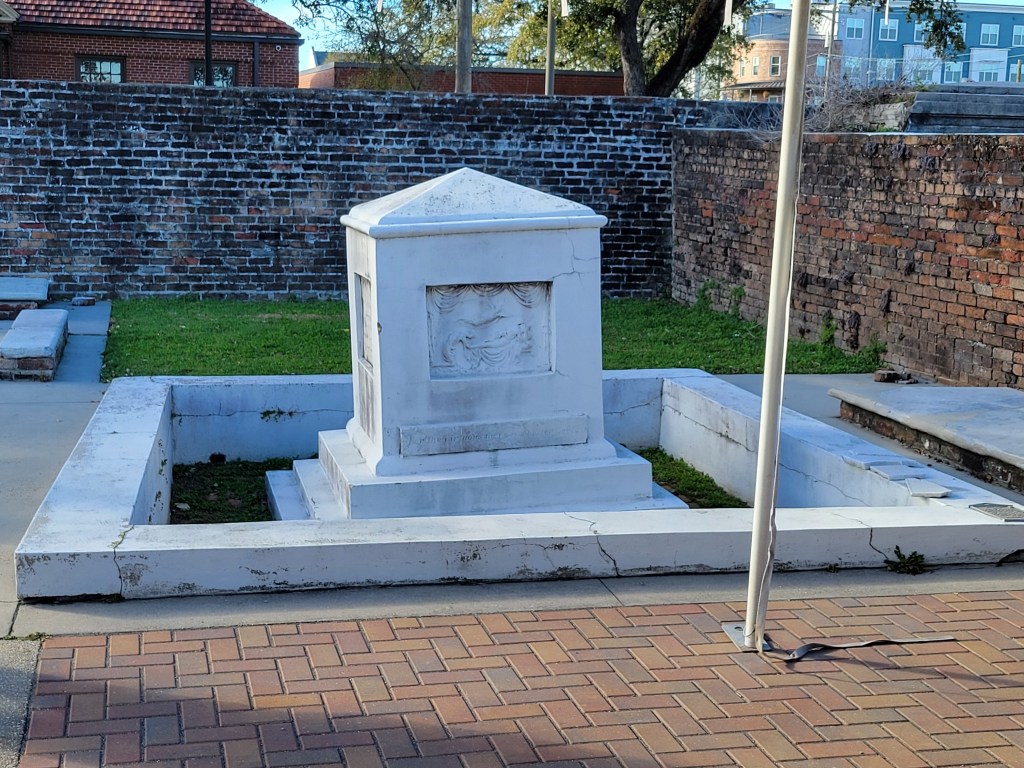

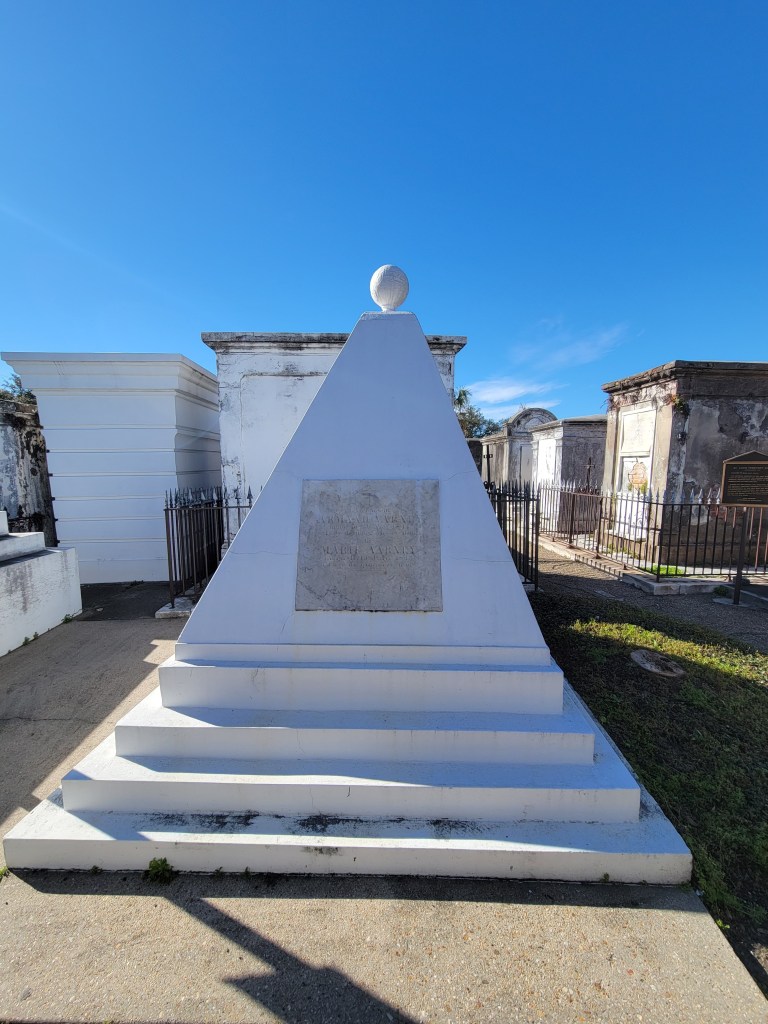
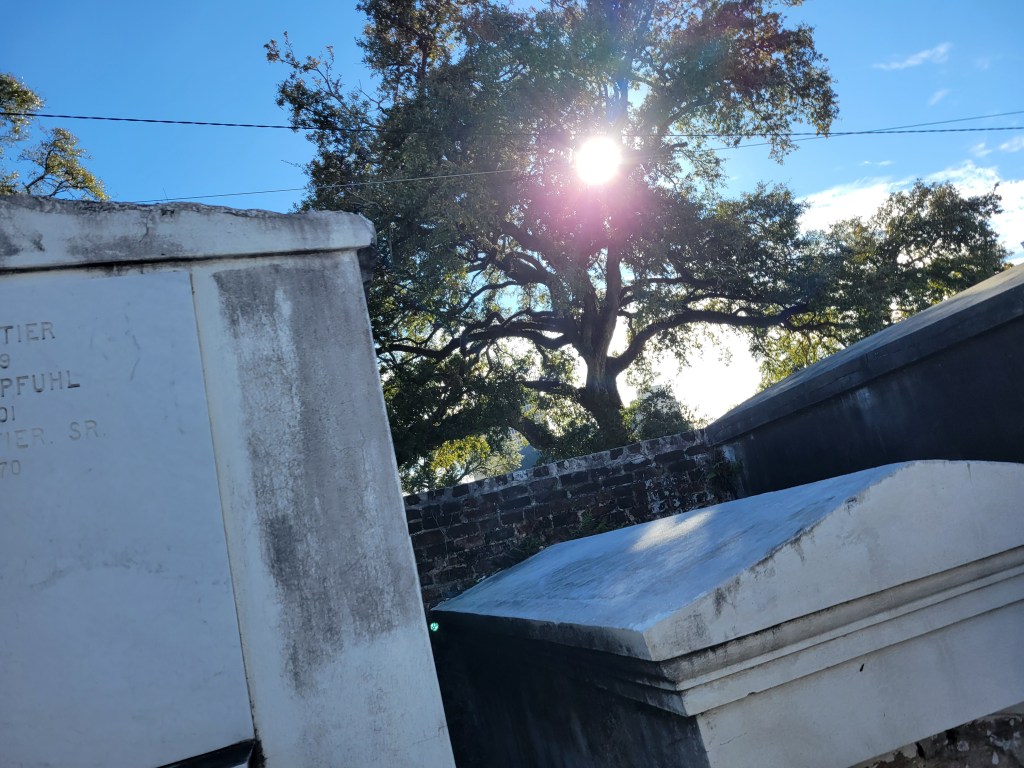
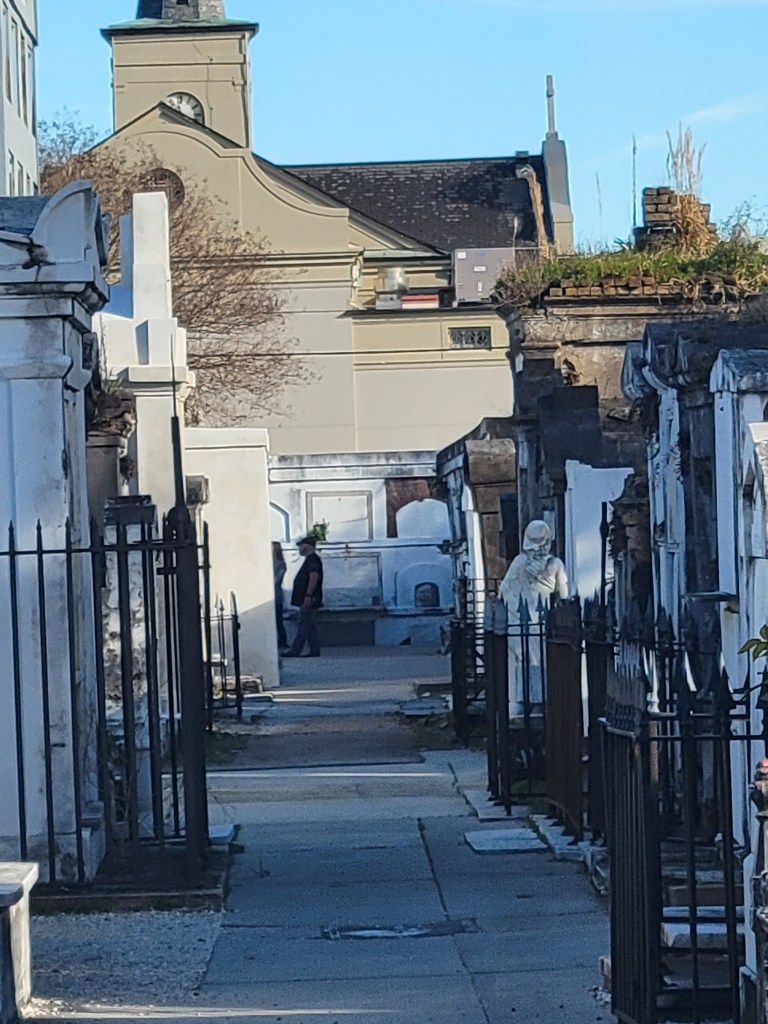
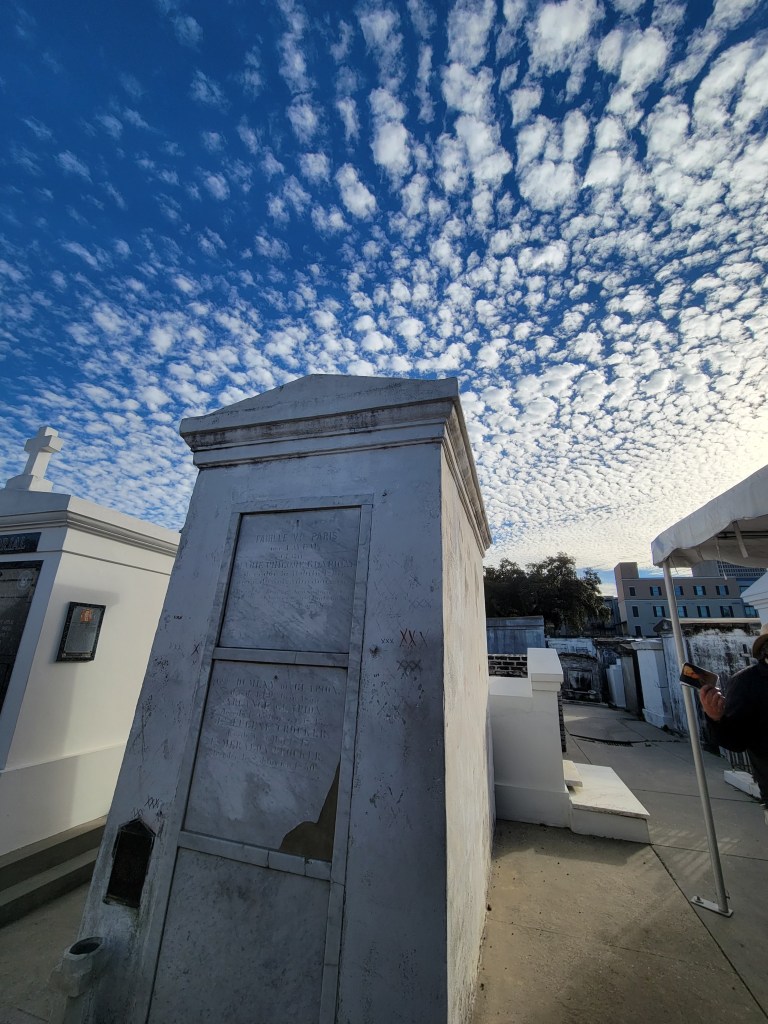
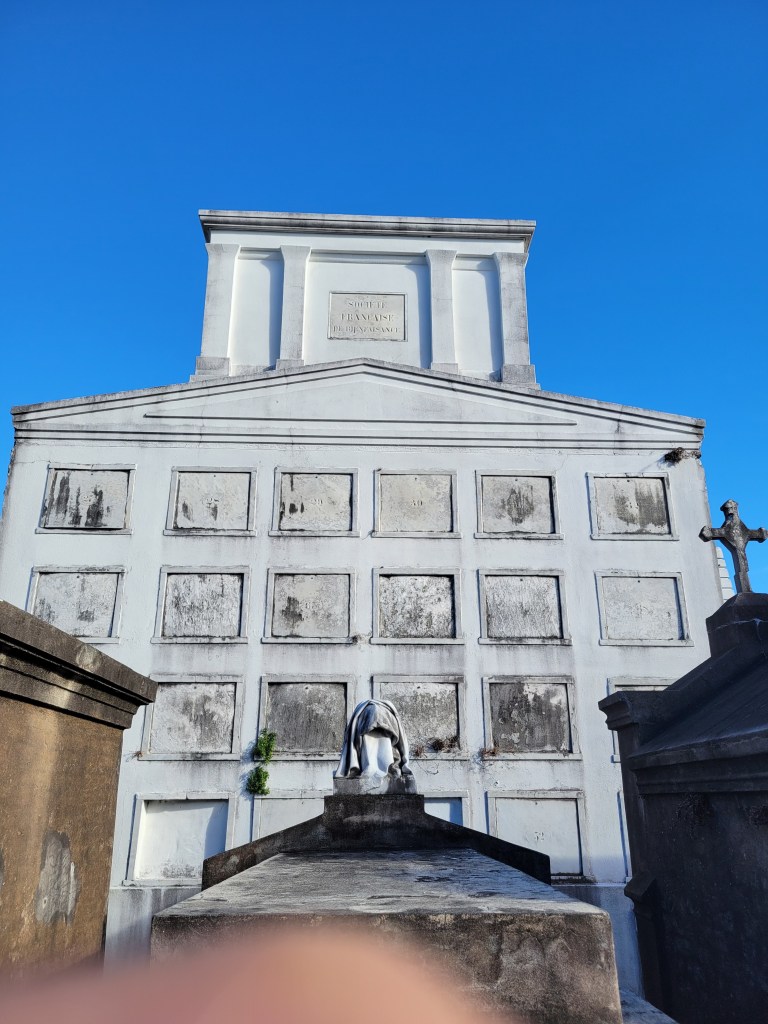
We had no desire to leave New Orleans, with plenty more to be explored and experienced, but also felt that we could leave and feel satisfied that we had truly been to this famous city.
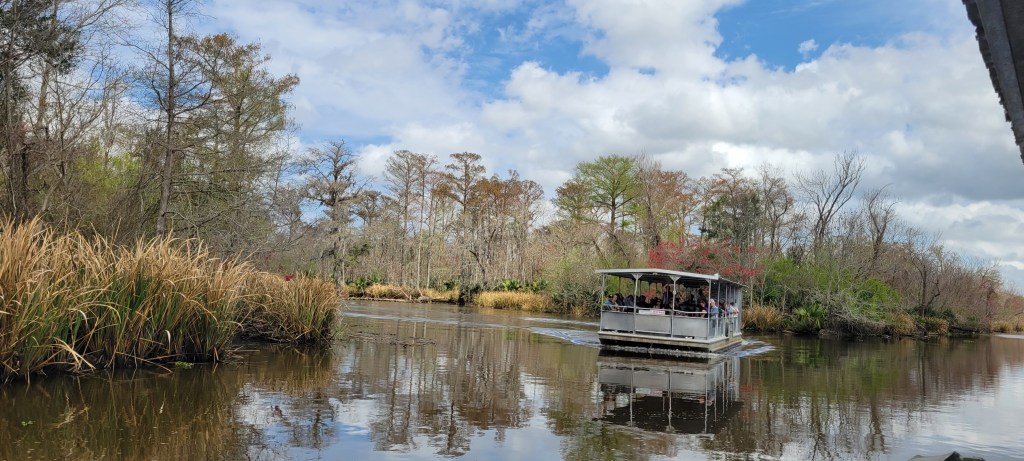
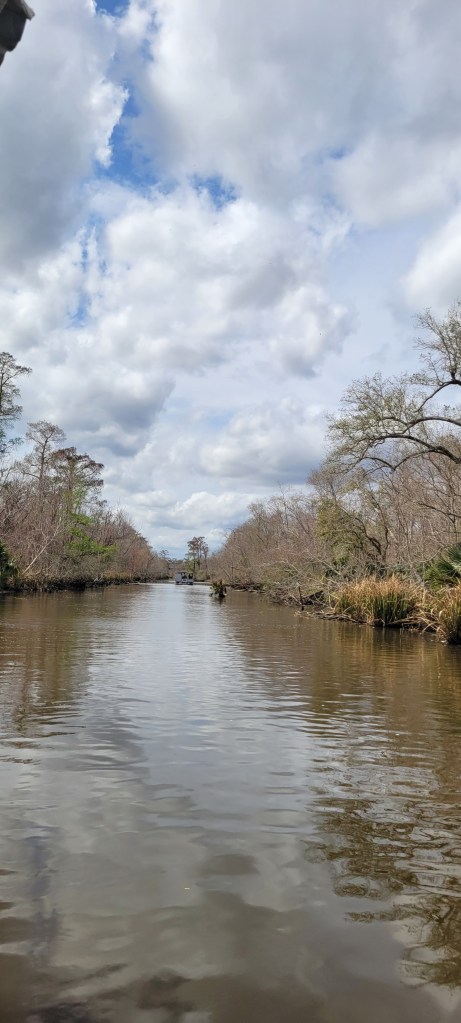
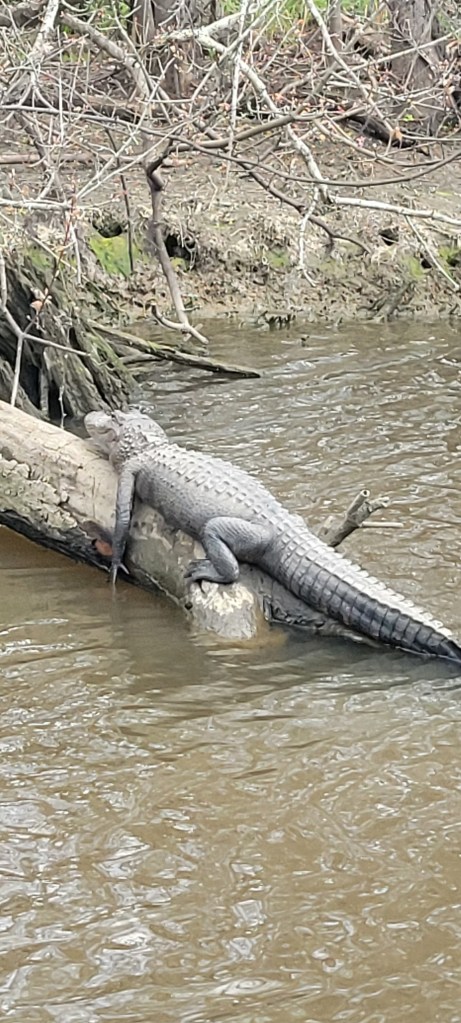
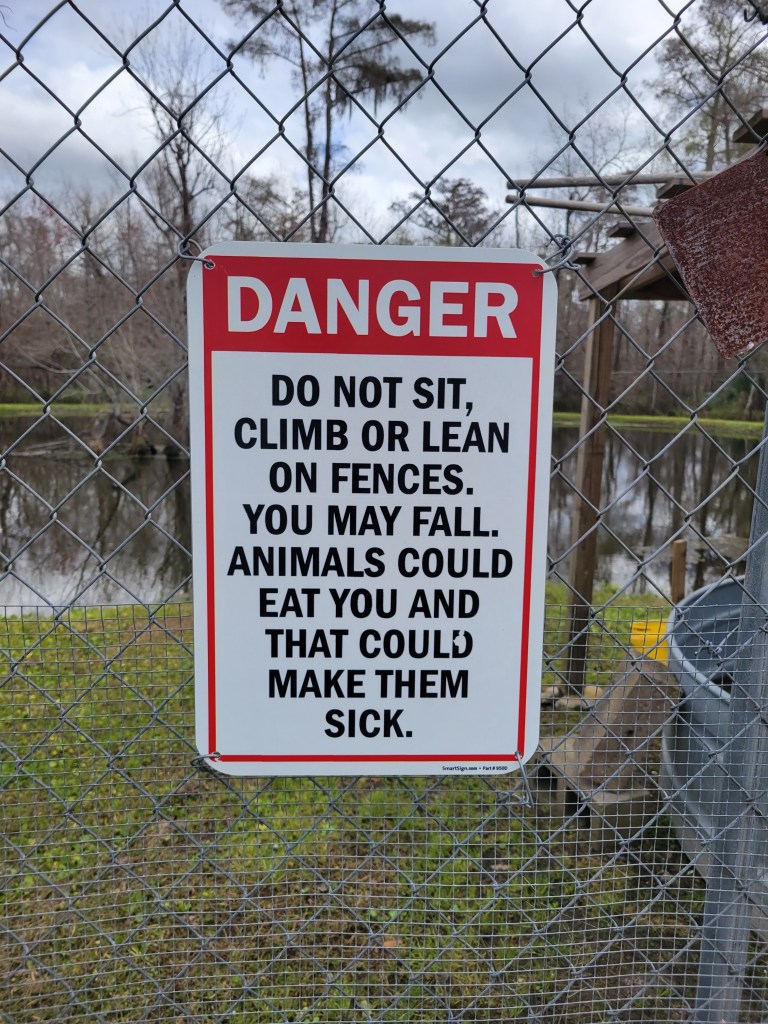
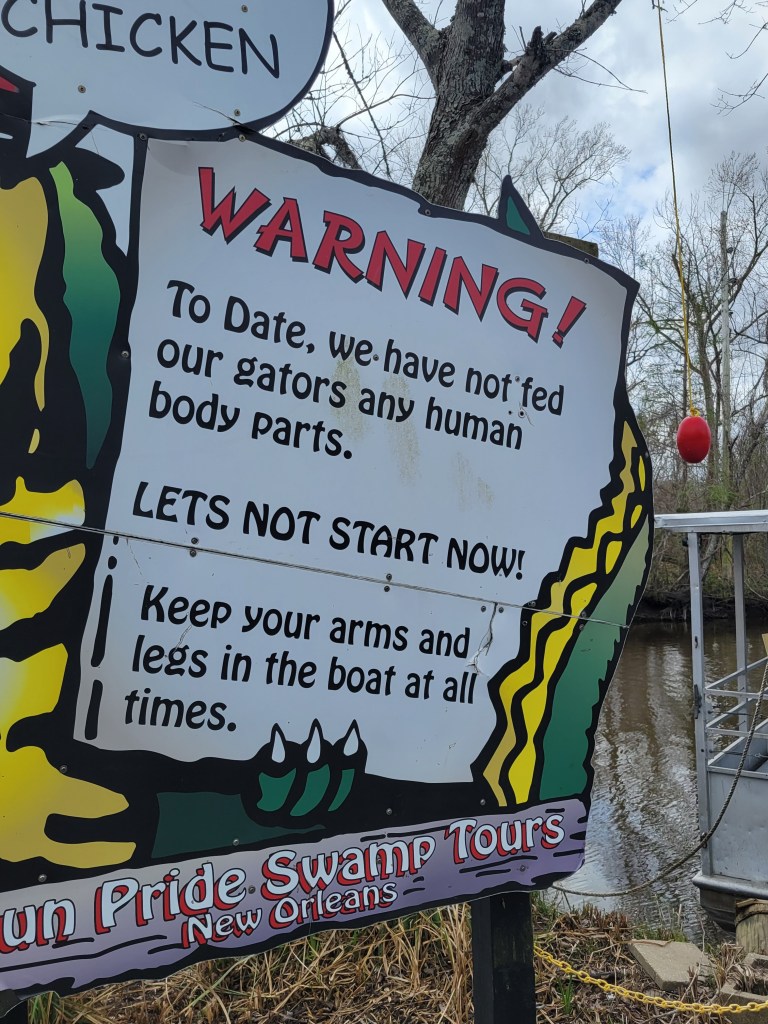
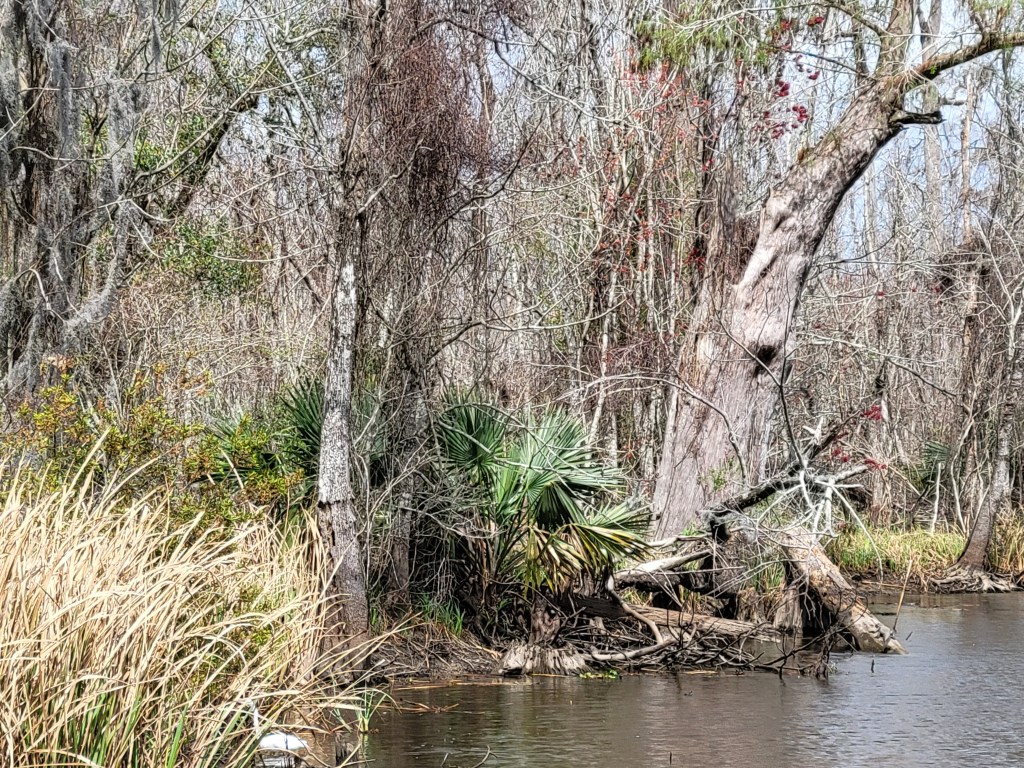
We headed slightly west the next day for a visit to the Cajun Pride Swamp Tours. While we had seen a few alligator scales from afar while driving through Florida, we hadn’t made time to go to any alligator focused spots while in the state (though we had seen plenty at Myakka State Park in early 2024 when Ryan had visited Julie in Florida during her musical writing trip). So, we knew we weren’t going to leave Louisiana without making time to see some gators. And we saw plenty!

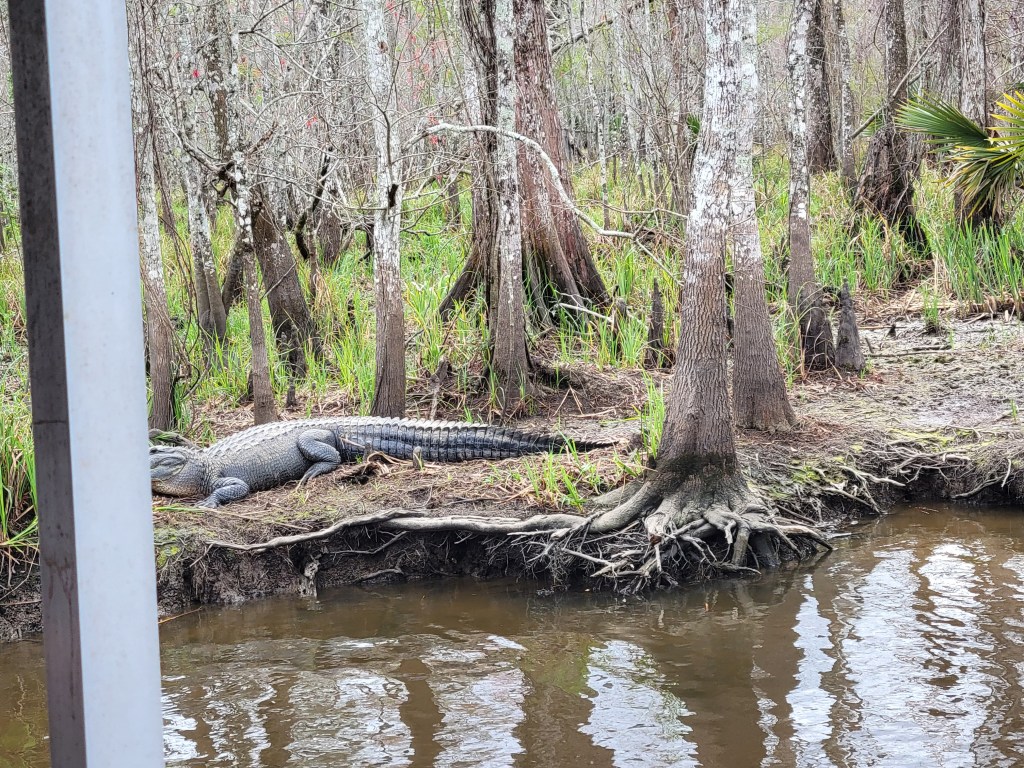
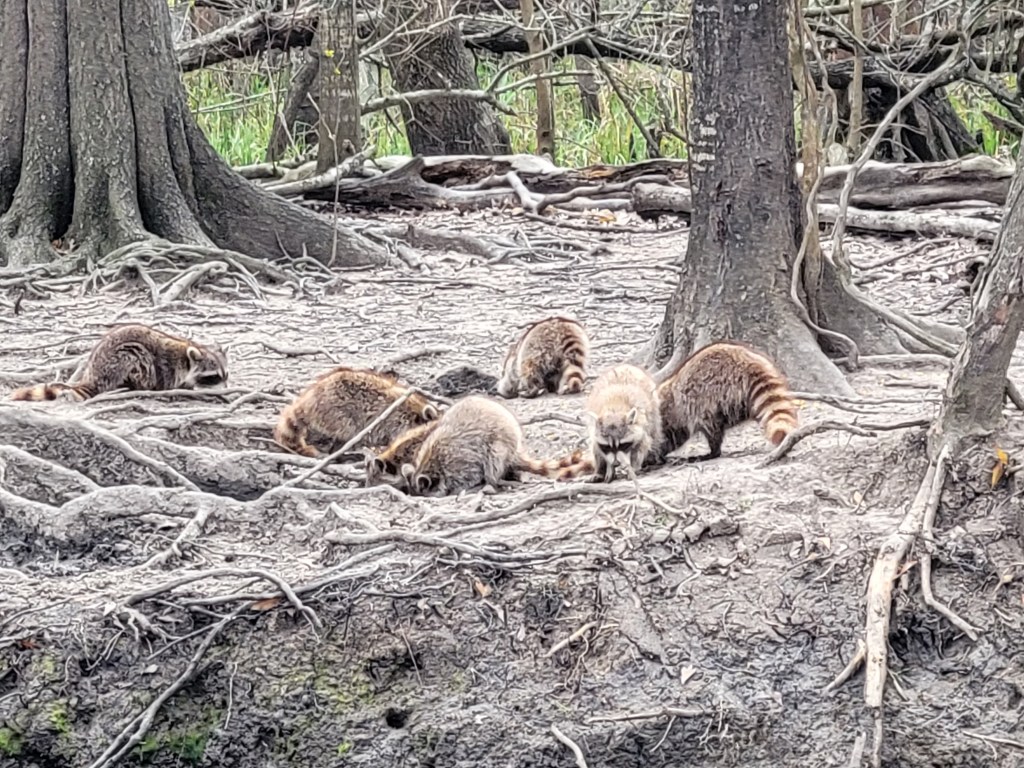
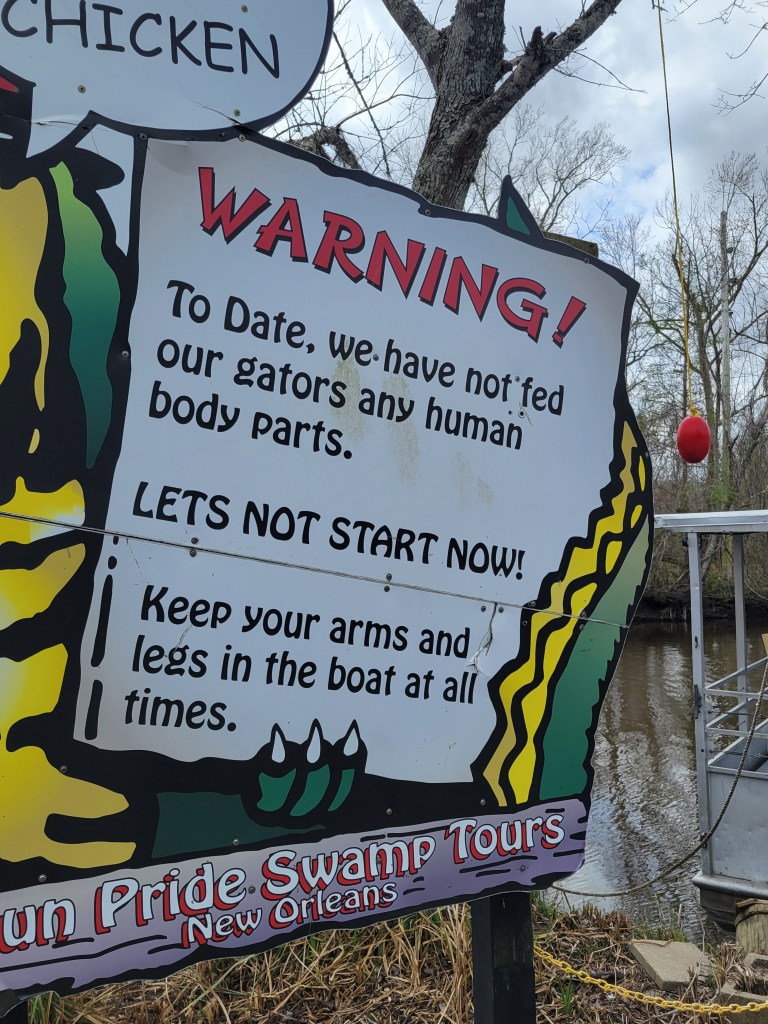
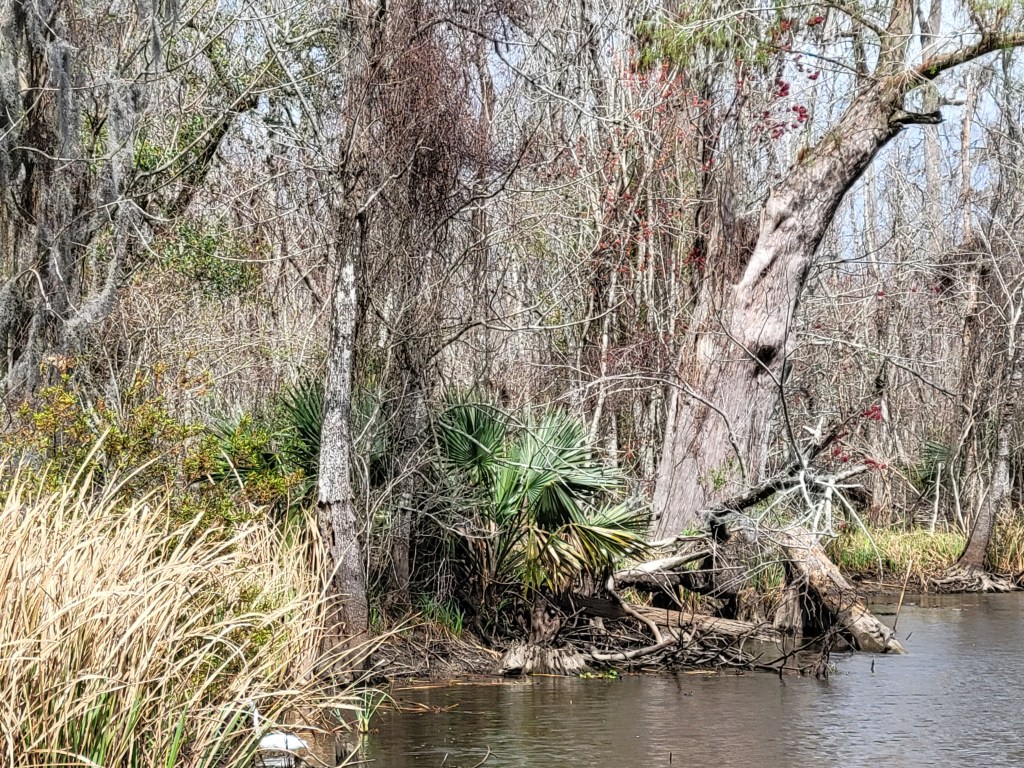

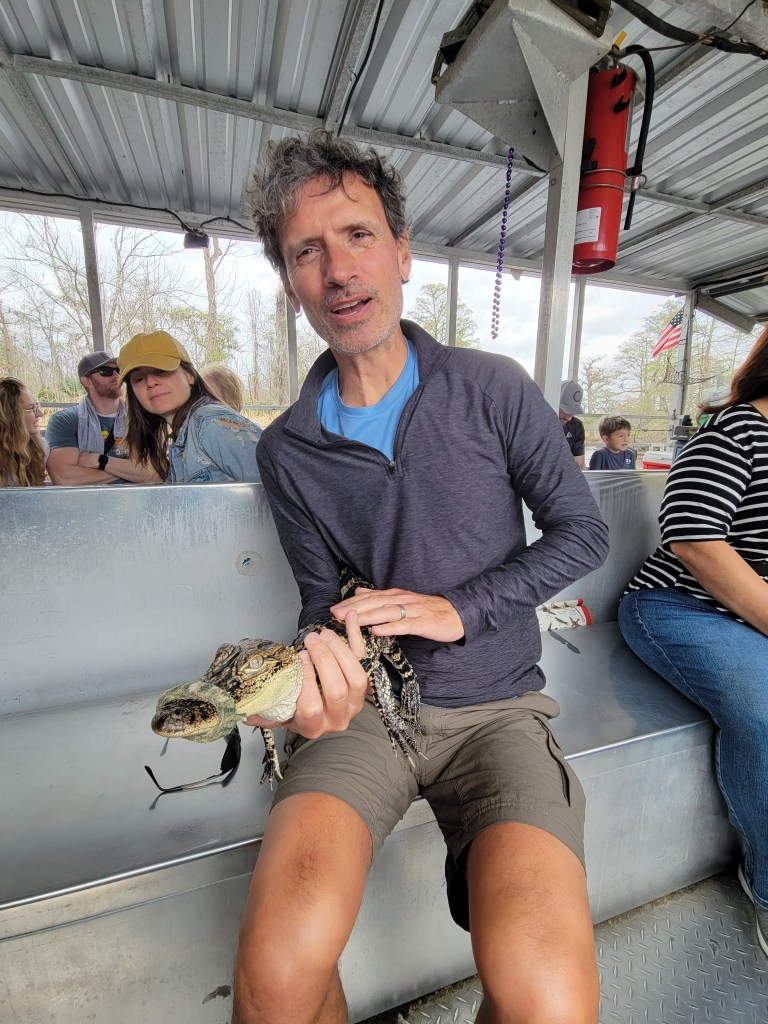
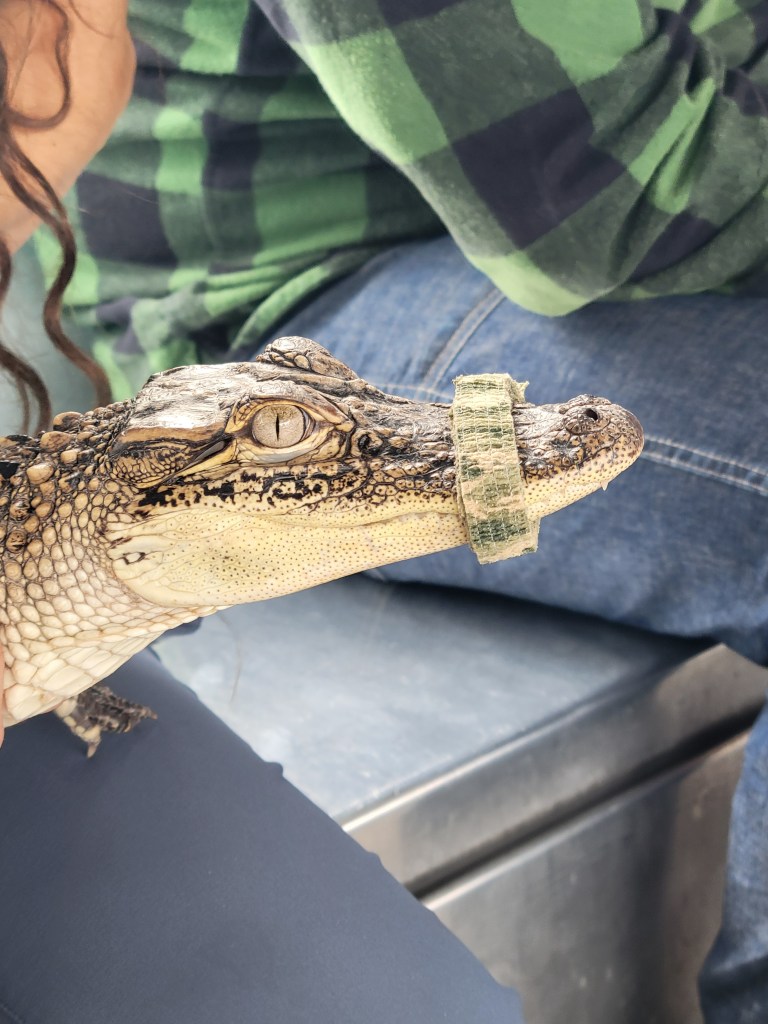
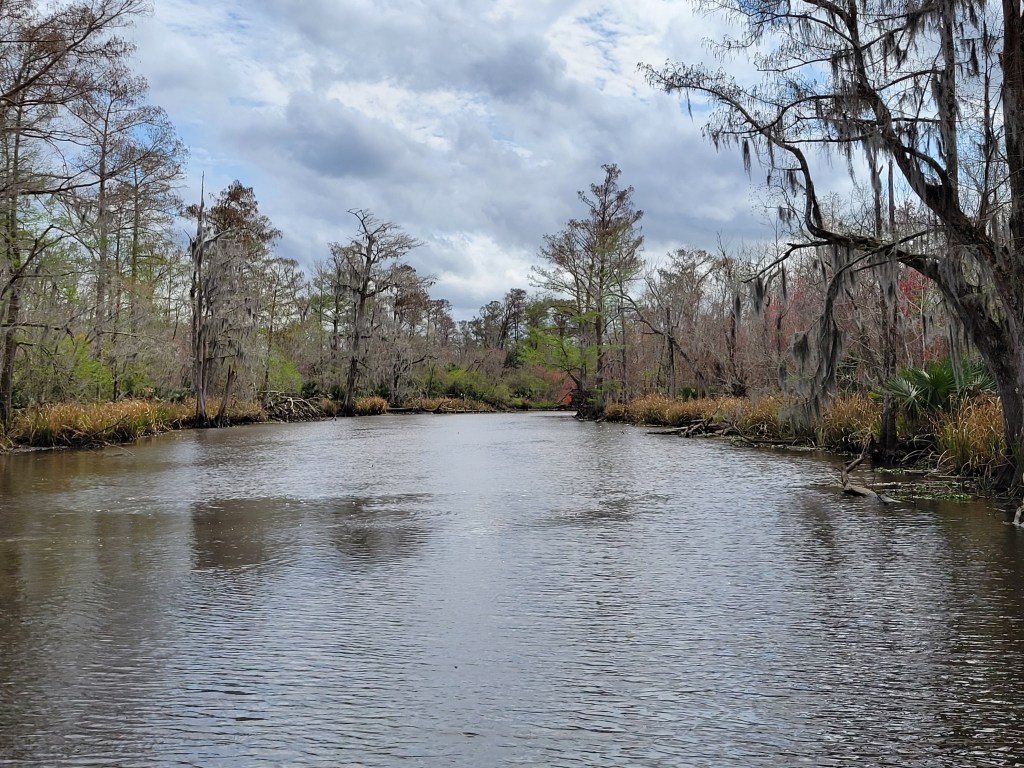
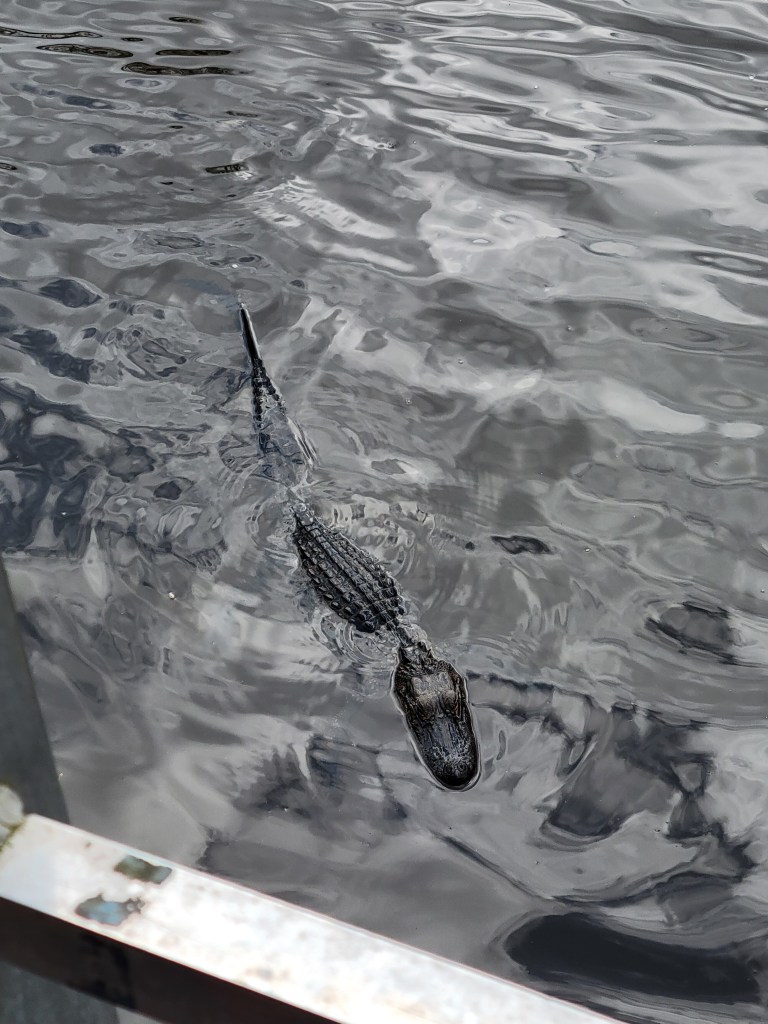
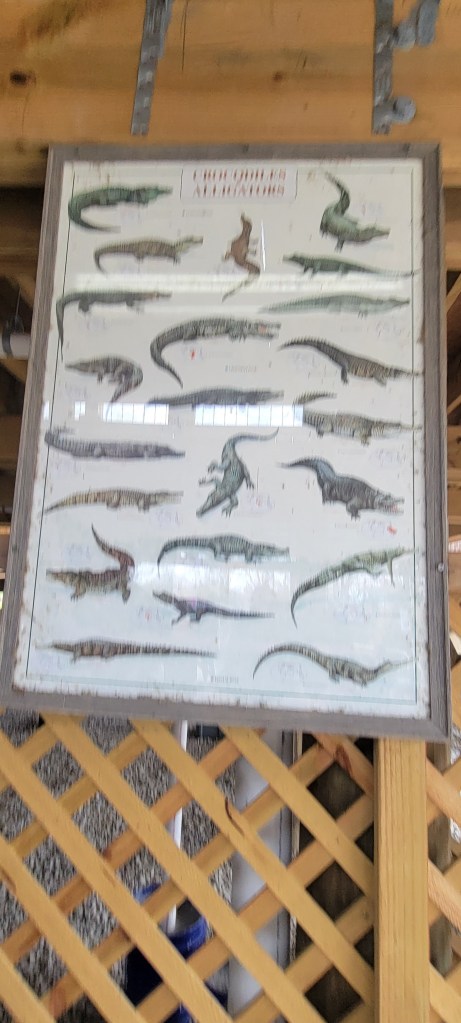
We also learned a lot. We learned about how, though alligators prefer one bite meals, they also have no problem taking down a fully grown deer with one bite and whip to the ground. We learned that, alligators, unlike their aggressive crocodile cousins, do their best to avoid people and are generally not dangerous unless you get in front of their babies or teach them to think of humans as food by feeding them. Still, we felt a healthy respect and no desire to test that.
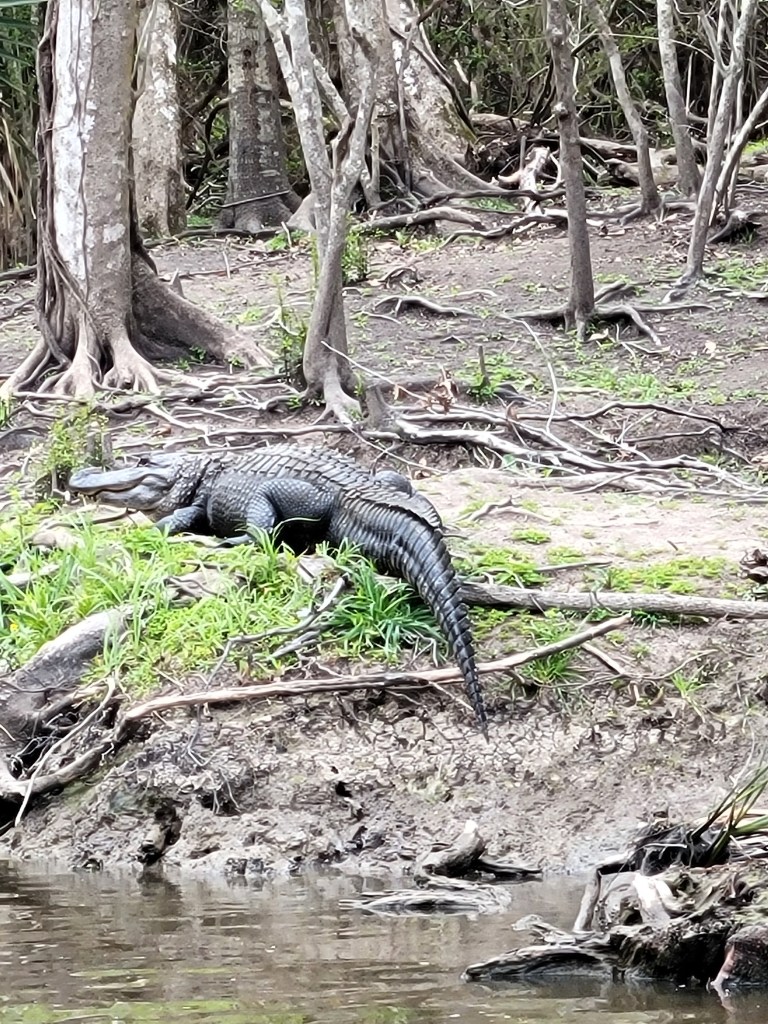
Speaking of no desire to test alligators, there is the subject of Julie’s Louisiana swim. Every place we went, there was an opportunity for Julie to swim and some set of circumstances, be it time, temperature, laziness or simple wariness around the local wildlife that led Julie to keep putting it off. Our New Orleans RV resort had an outdoor unheated pool. There was never a good moment to check it out. We had heard about a Lake Pontchartrain Beach nearby that, though cold, was swimmable. It just didn’t quite work out to get there. As the story of Louisiana unfolds, from the Gulf to the Indian Creek Reservoir up to the Poverty Point Reservoir, Julie had opportunity after opportunity to get in the water. The water was always just a little more brown than gave her comfort, not because of the dirt, just because of the desire to see what would be in that water with her. She considered going for another indoor swimming pool swim, but she was determined to overcome her squeamishness and listen to what person after person assured her. Yes, there are alligators in that water and, as long as you stick to the swimming beaches, they are not going to bother you. Sheesh. Okay, well, that was a challenge accepted. Julie figured she had to overcome her natural New Yorker reticence. In New York, generally speaking, the only gross or scary thing you are going to run into in a murky pond is scratchy plants that are very unpleasant to swim through. But, there are no teeth under there that you are swimming with, for the most part anyways.
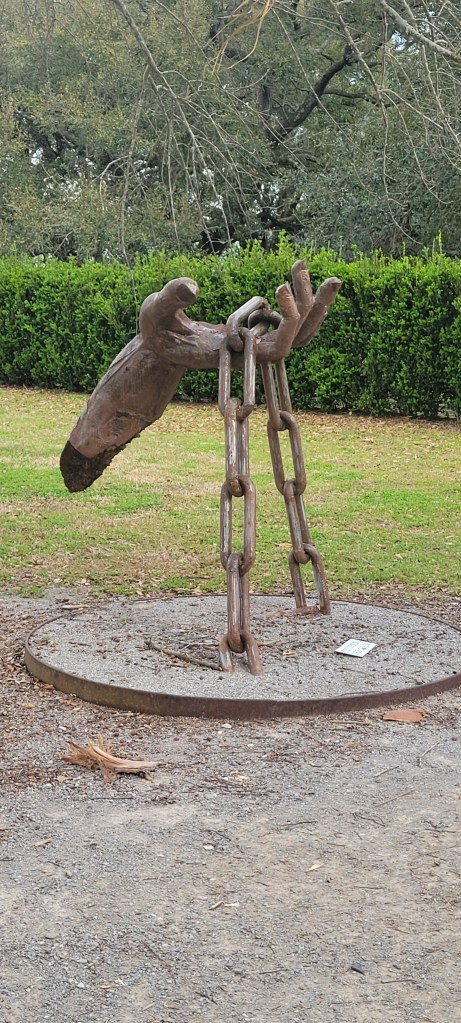
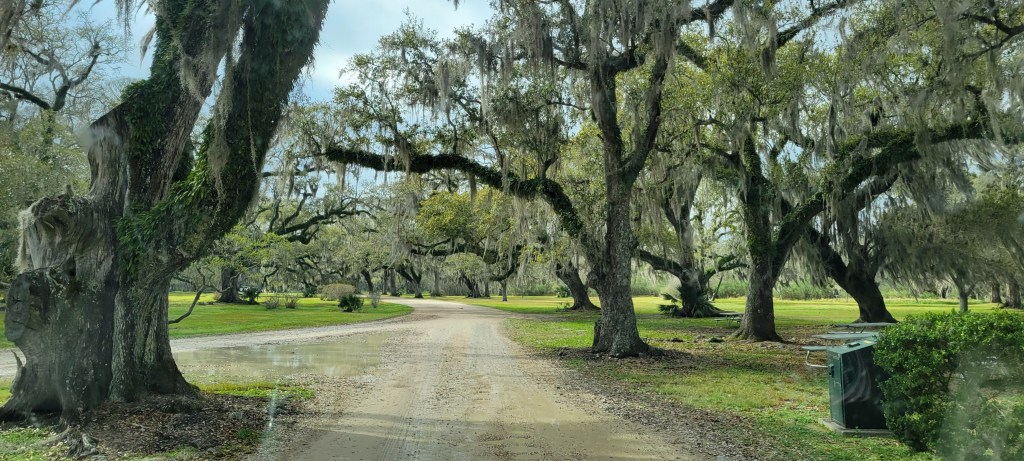
Our next stop was Whitney Plantations, as we understand it, the only plantation whose focus is solely on the enslaved peoples’ experience. It is a profound visit and a necessary one to face the realities of the history and legacy of slavery in the United States.
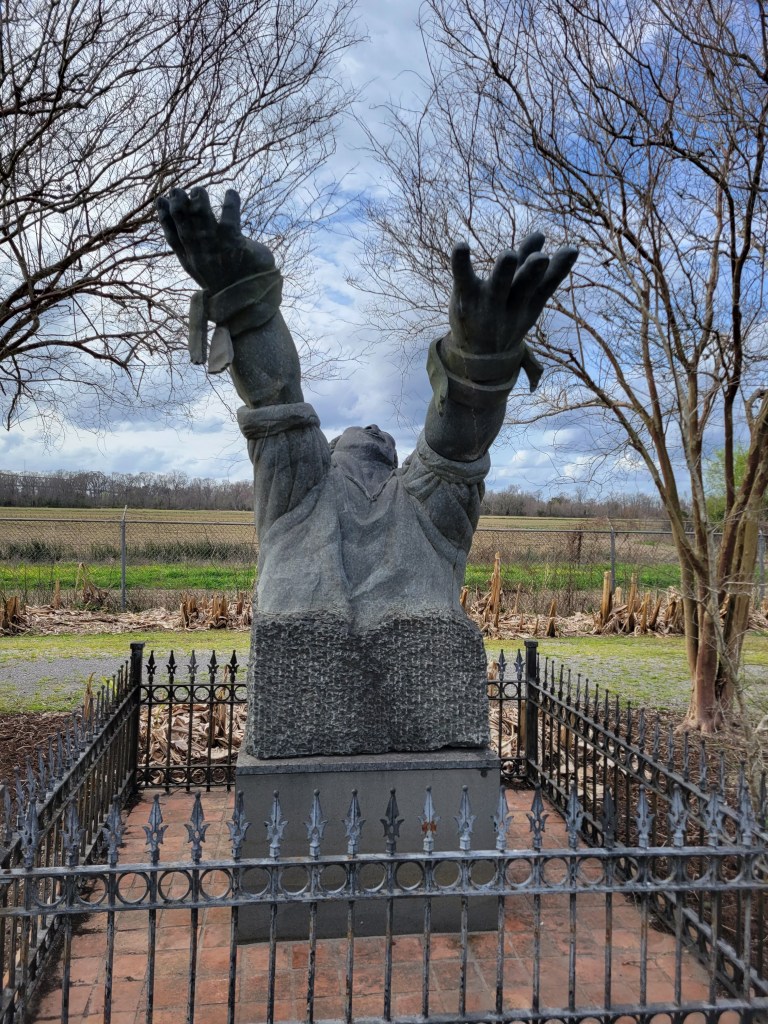

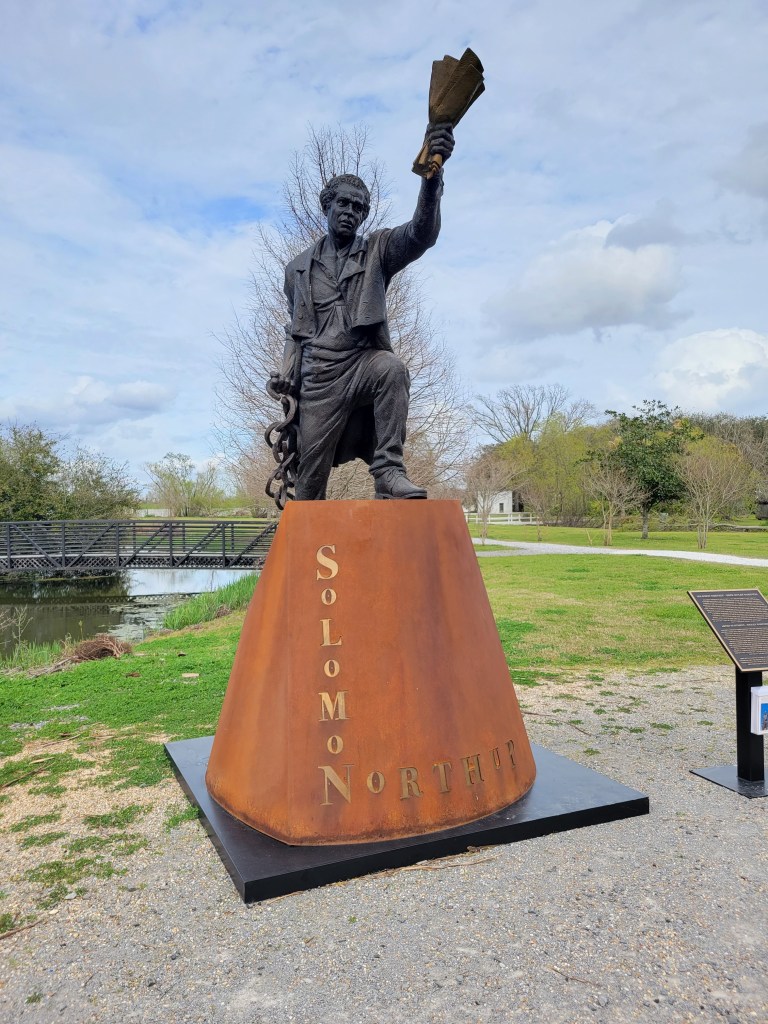
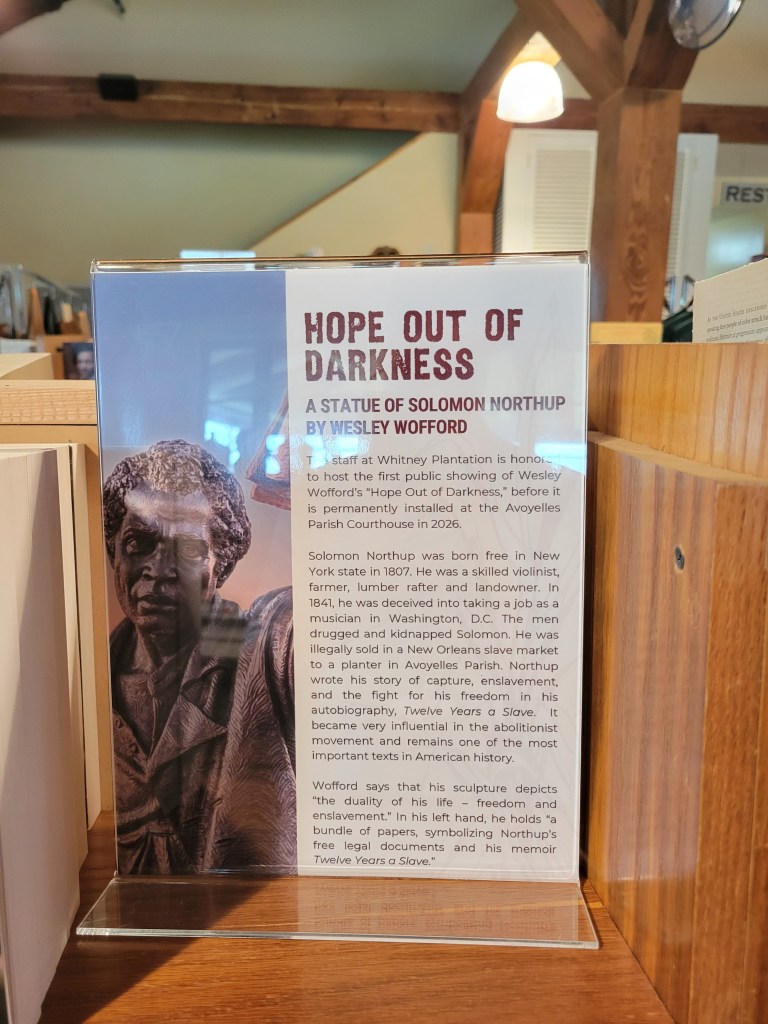

From there, we made our way to Baton Rouge where we ran our 5K at Southern University, which you can read about in our 5K section. After our 5K, we made our visit to the state capitol.
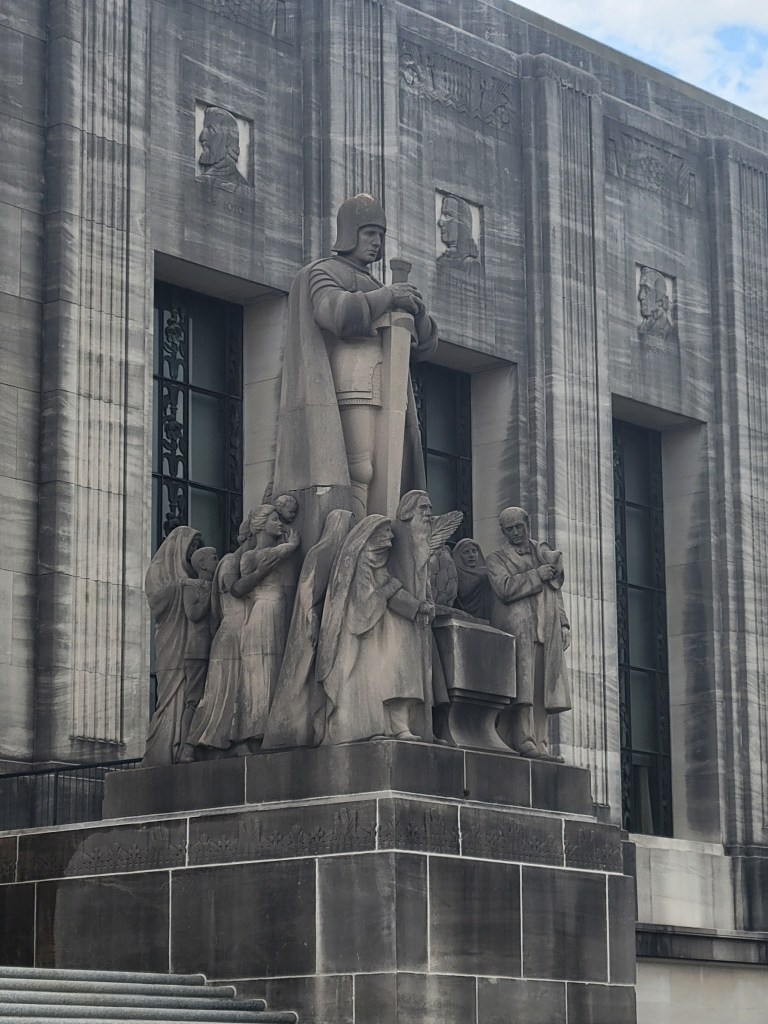
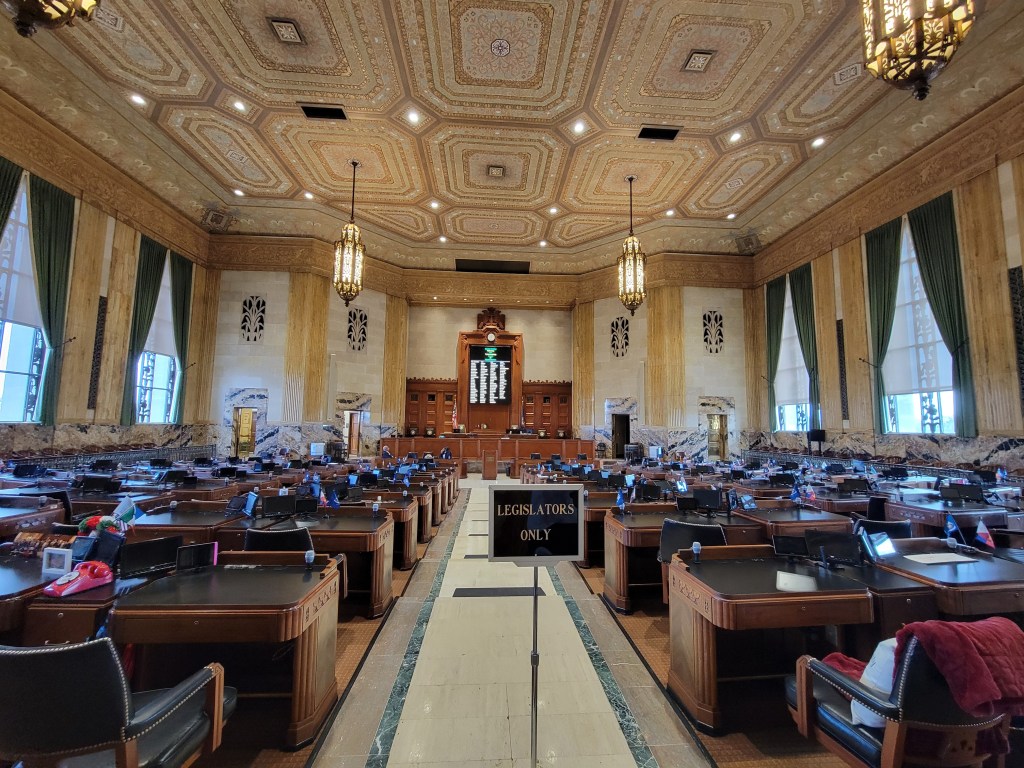


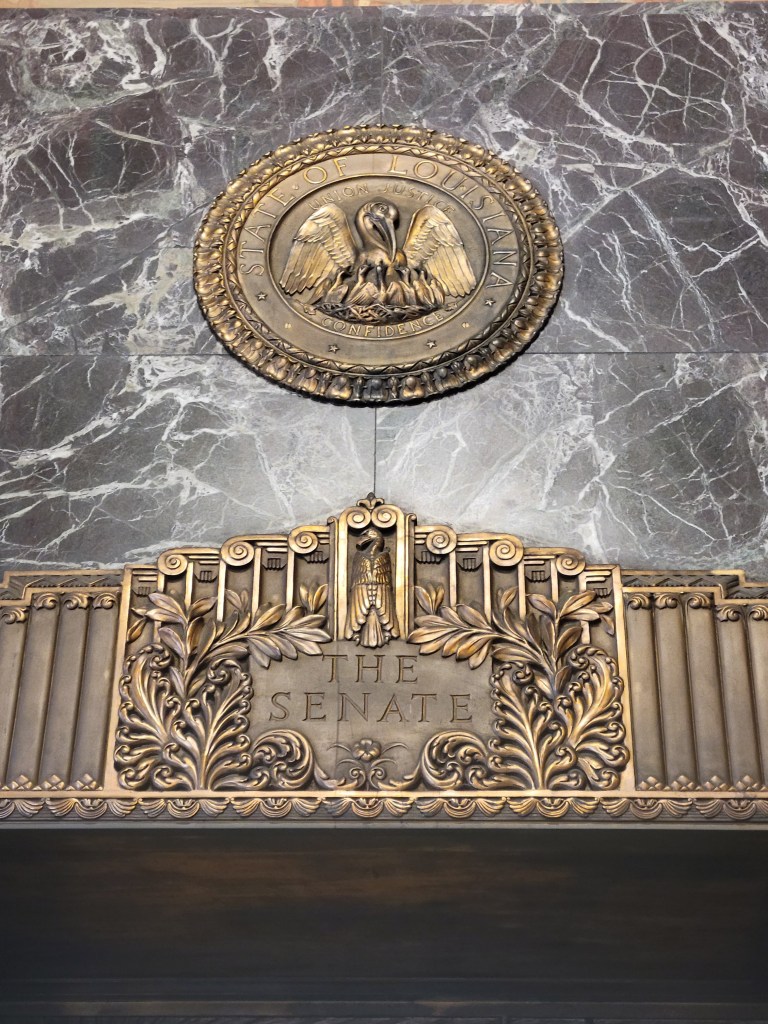
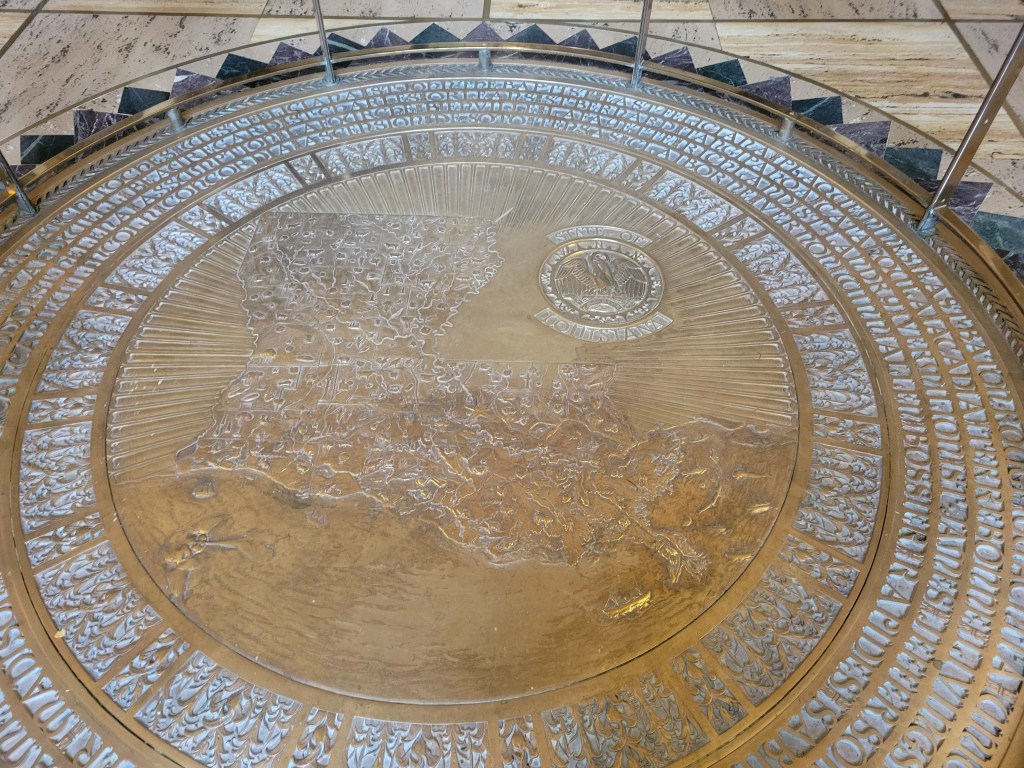
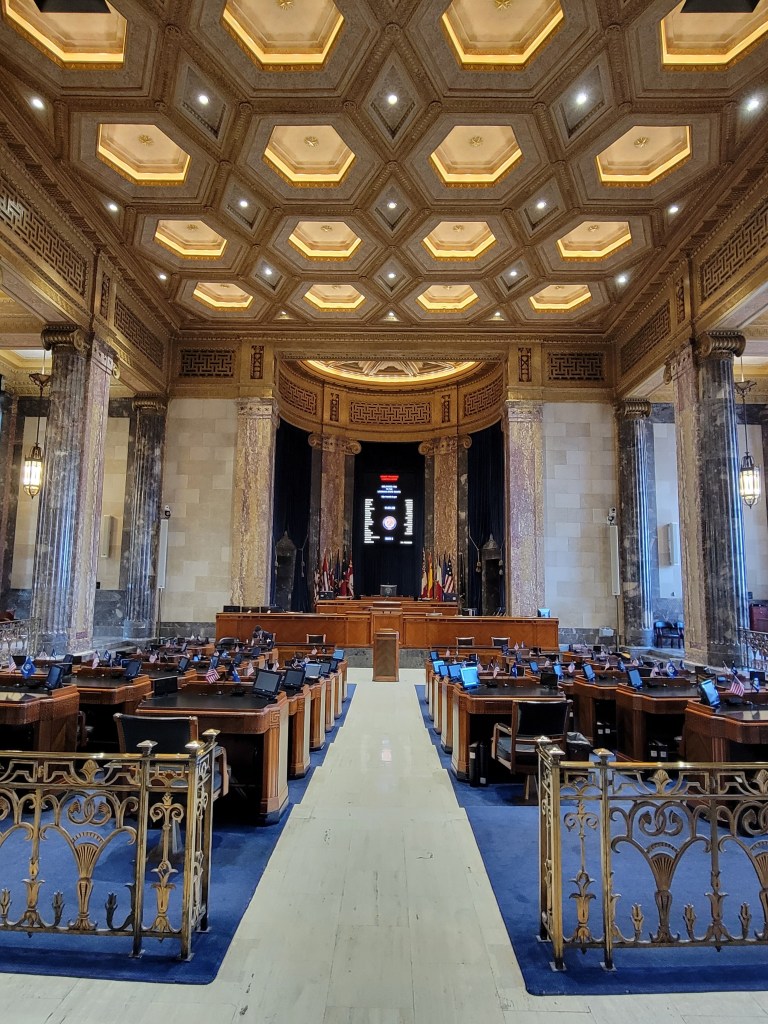
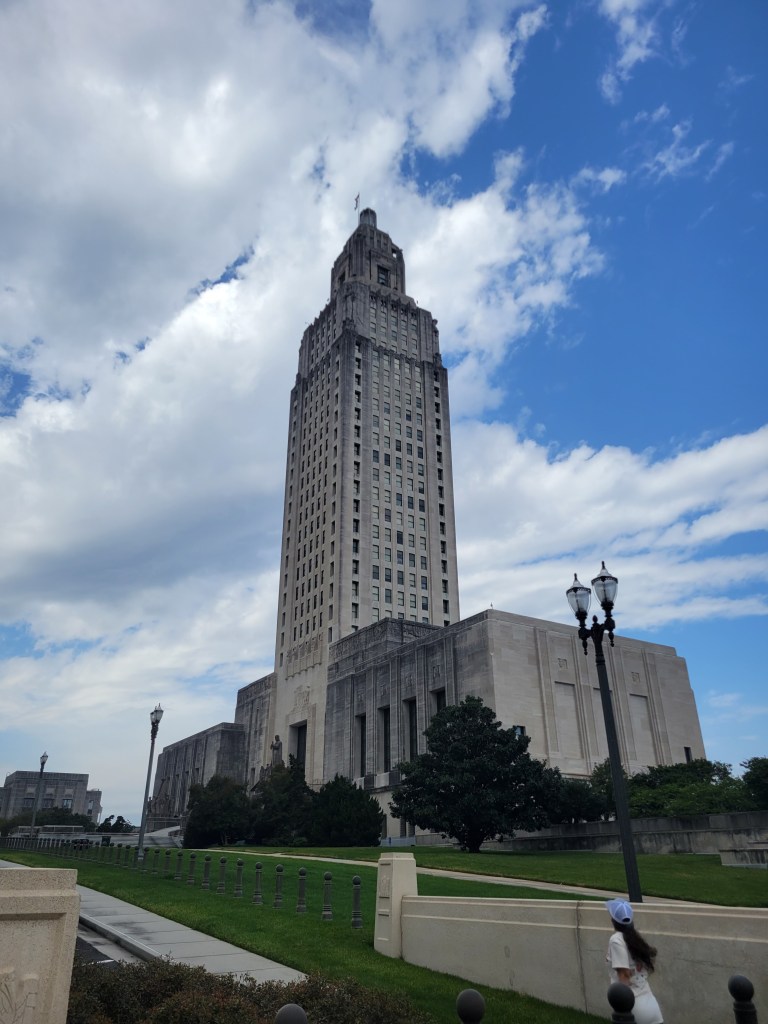
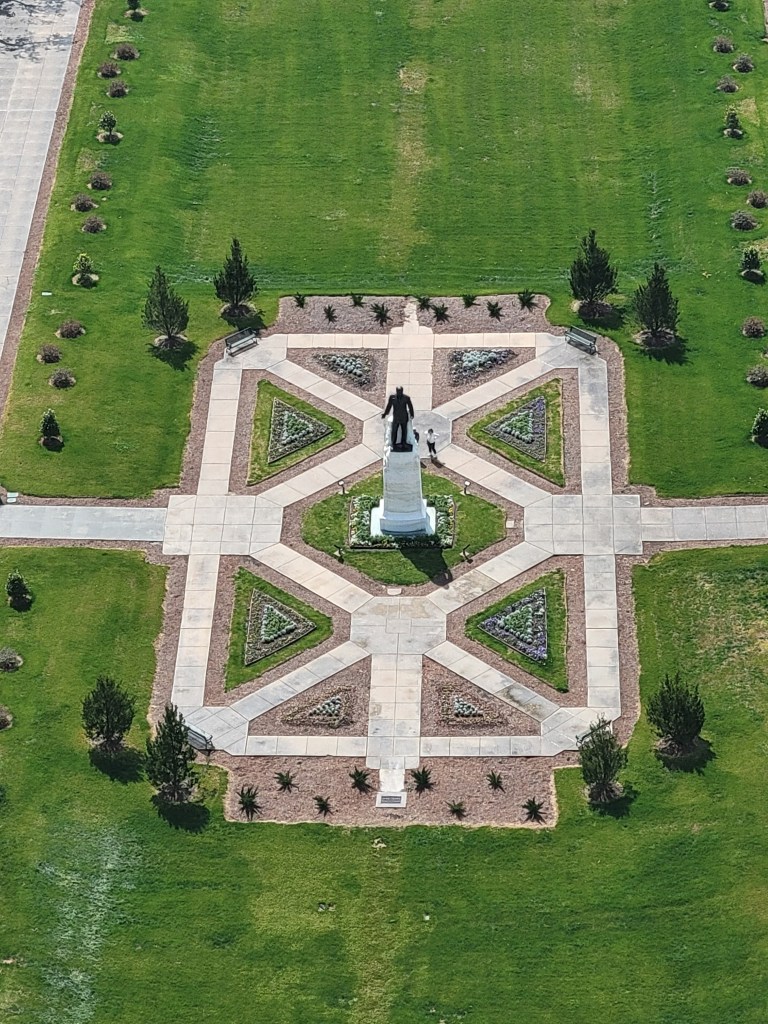
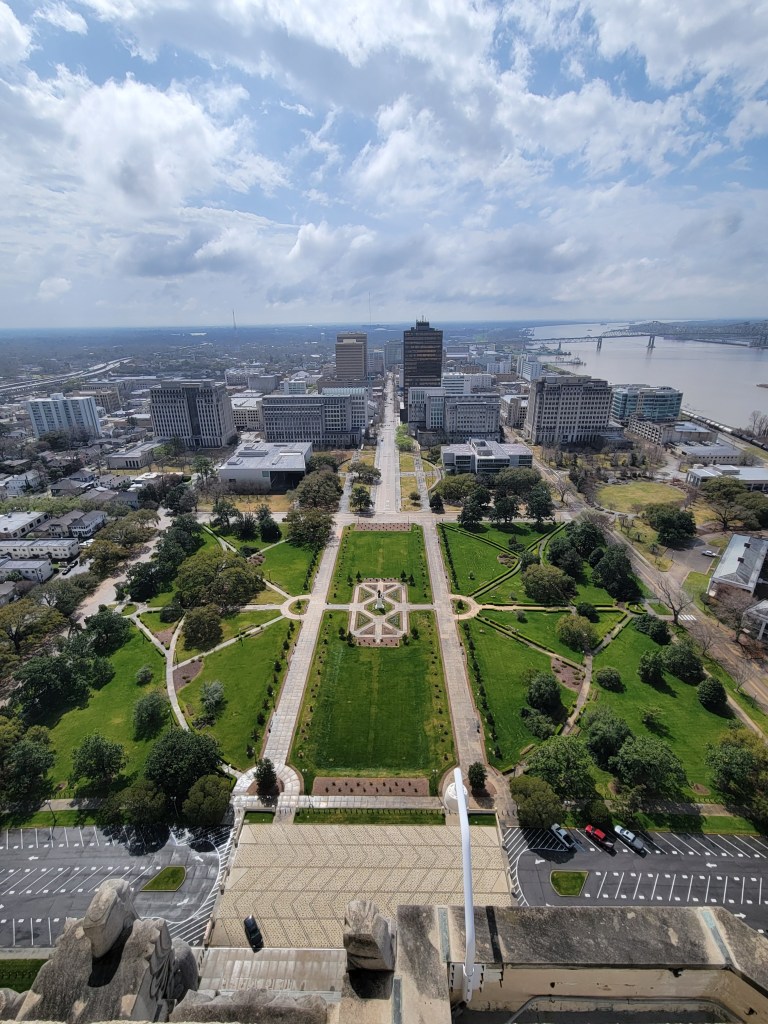
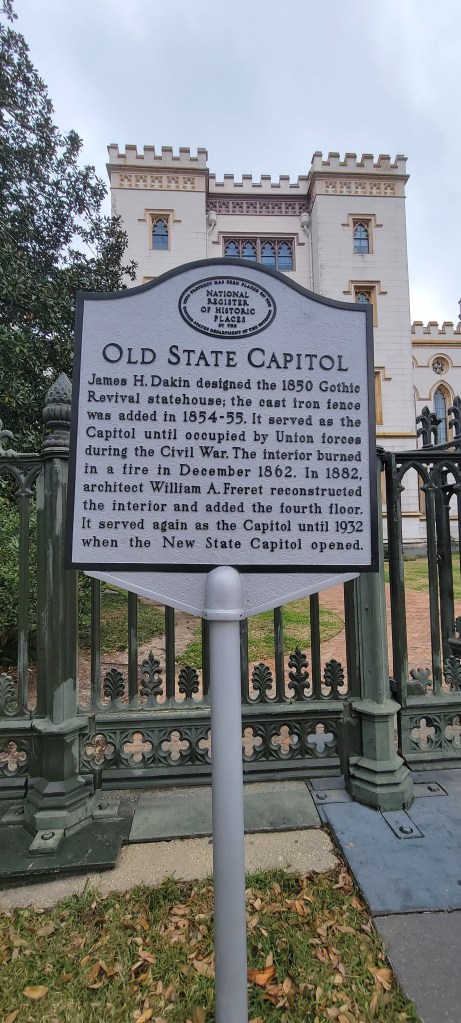
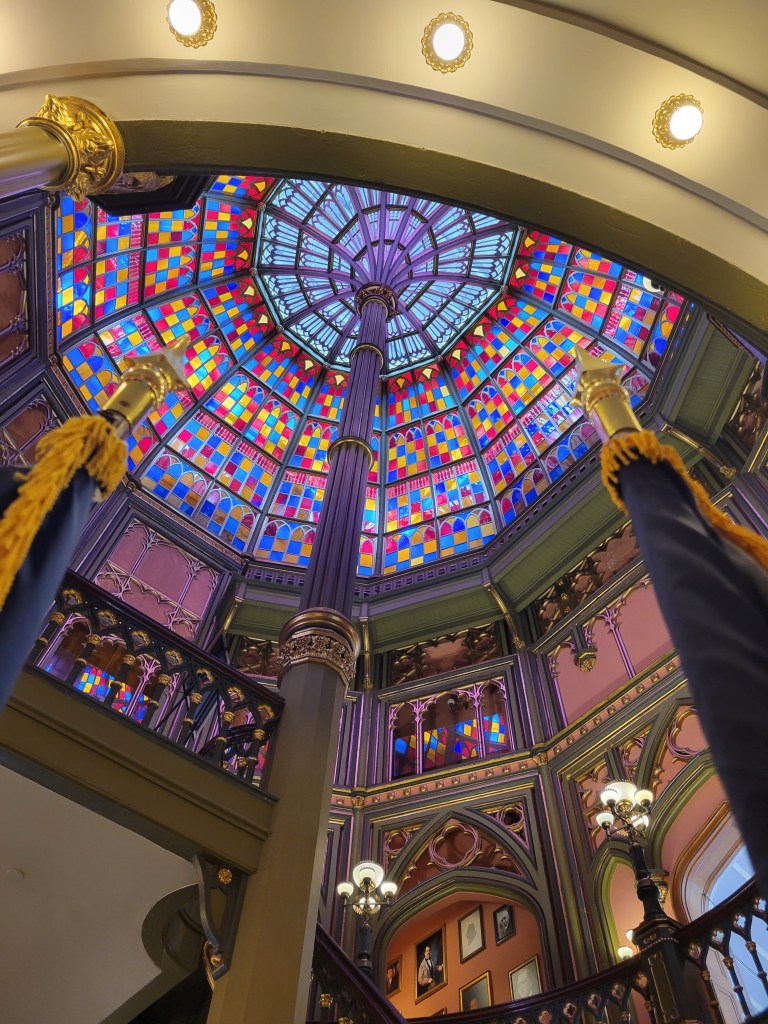
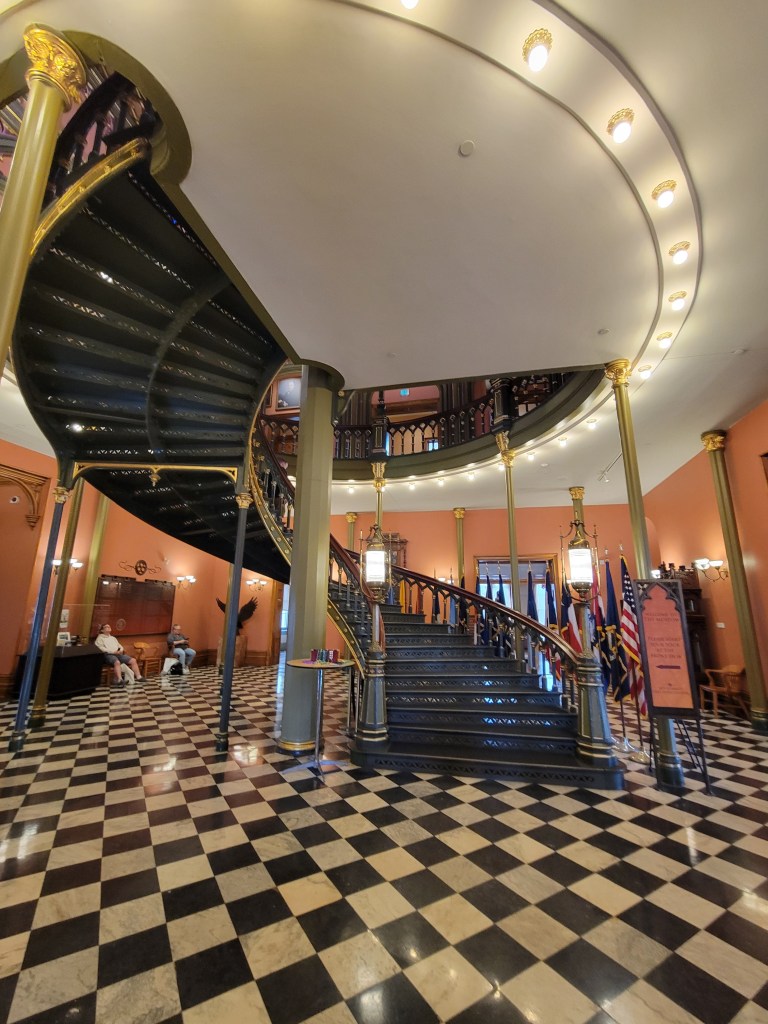
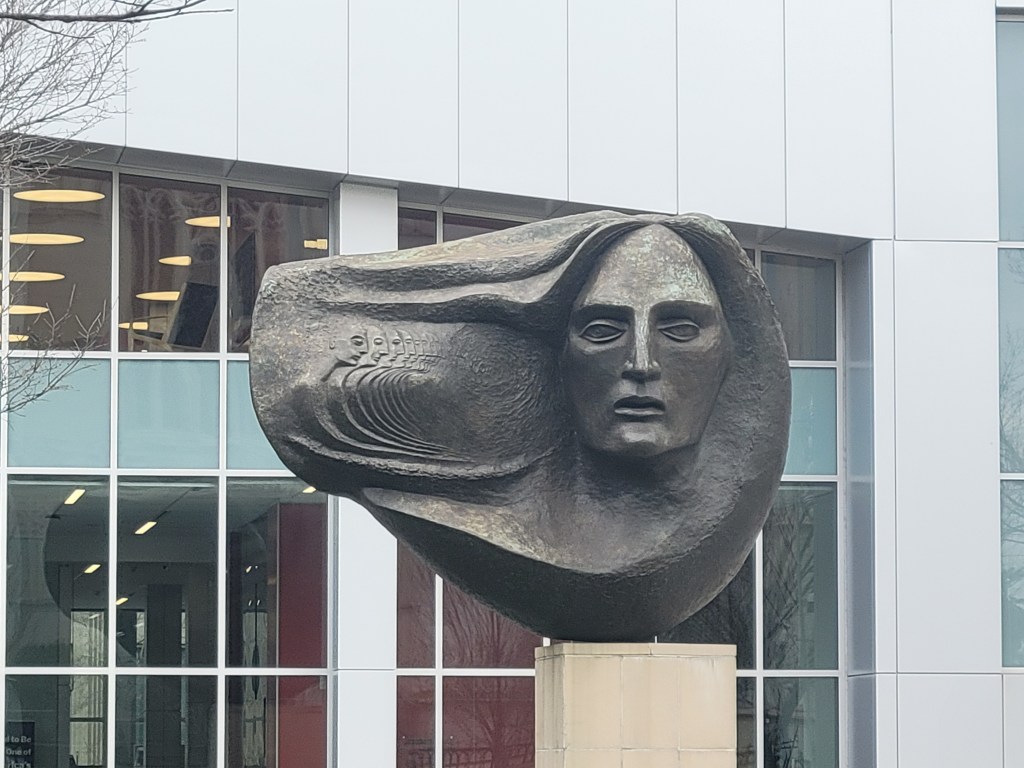
While in Baton Rouge we also managed to take in the old state capitol, where we learned all sorts of Louisiana history, and some nearby street sculpture.


Our next stop was a region called Acadiana. This is the concentrated Cajun part of Louisiana as we understand it. We learned that the word Cajun was how the Spanish had pronounced the word Acadian, which was a group of French people in Nova Scotia that relocated to the other largely French part of North America down here in Louisiana. The Acadians, French descendants, became the Cajuns. We learned that Creole can mean many things, but that its original meaning was “born locally”. So, if two Cajun parents, born in Acadia in Nova Scotia had moved to Louisiana and had a child, they would be Cajun and their child would be Creole. We are not experts, this is simply what we absorbed and retained from what we learned while there. So, if any who are truly in the know want to expand or point out nuances that we may have gotten wrong, please do!
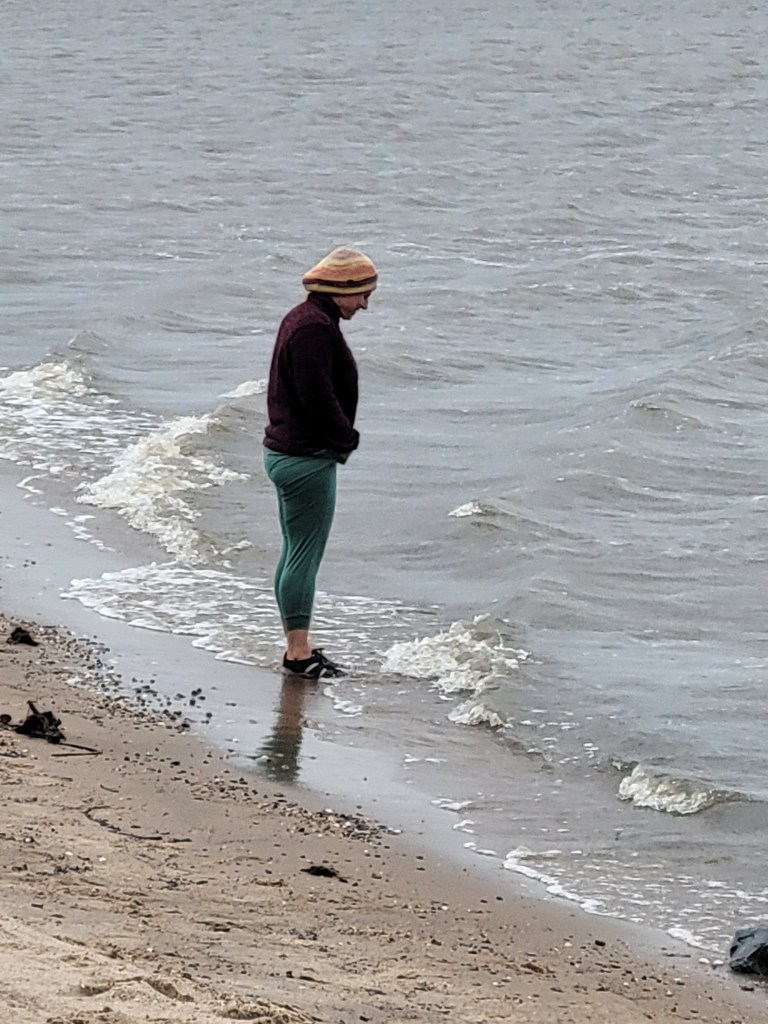
One of Julie’s goals is to step foot in the ocean in every state that touches it. We count the Gulf, so, we made our way down to Cypremort State Park for a few hours of hanging out. Julie stepped in the water and considered getting her swim in. Though standing on a swimming beach, Julie still felt suspicious of the murky colored waters, not knowing if a jellyfish might be swimming by. The water wasn’t terribly cold, definitely manageable, but laziness, time and apprehension won out, and we moved on.
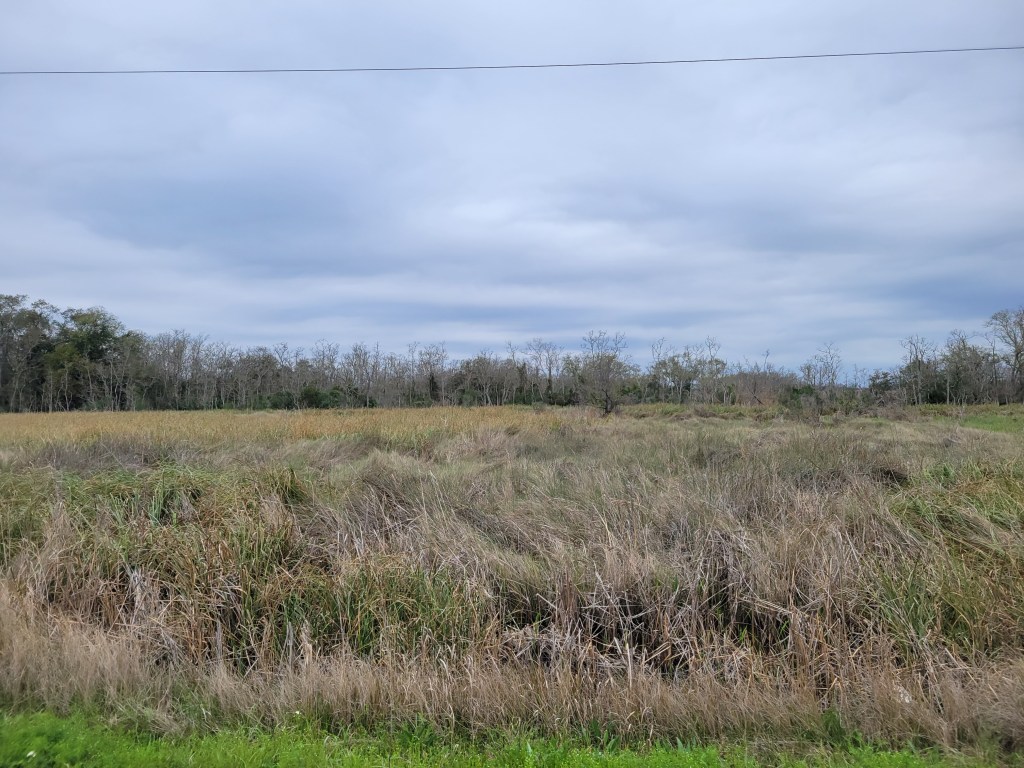
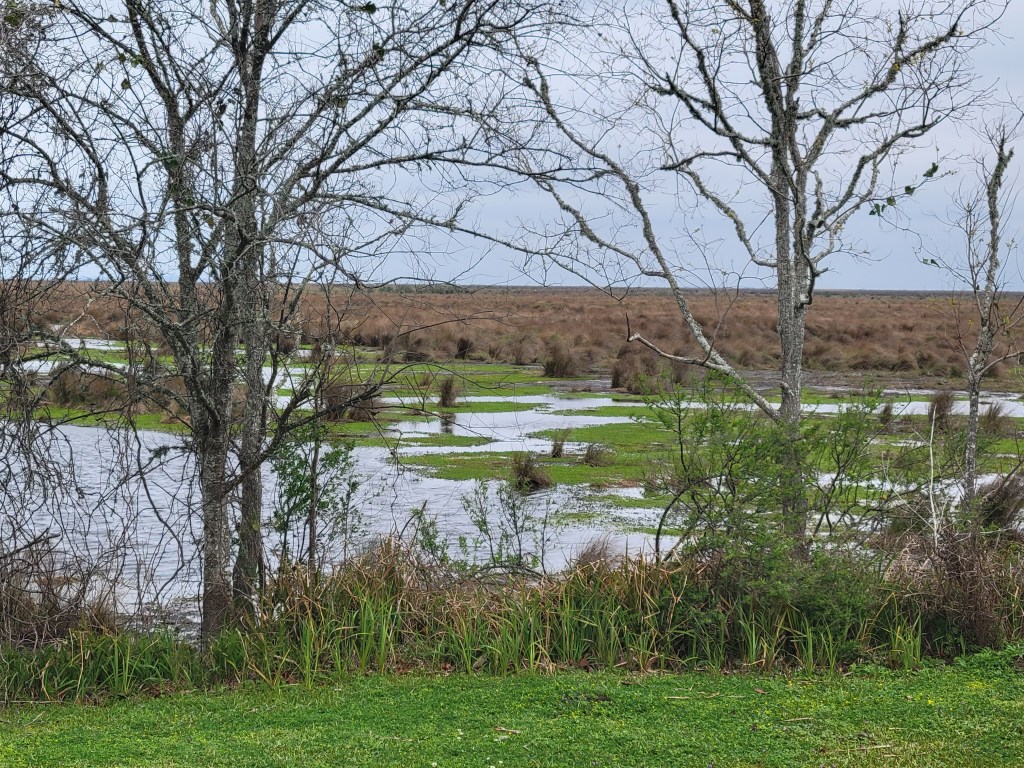
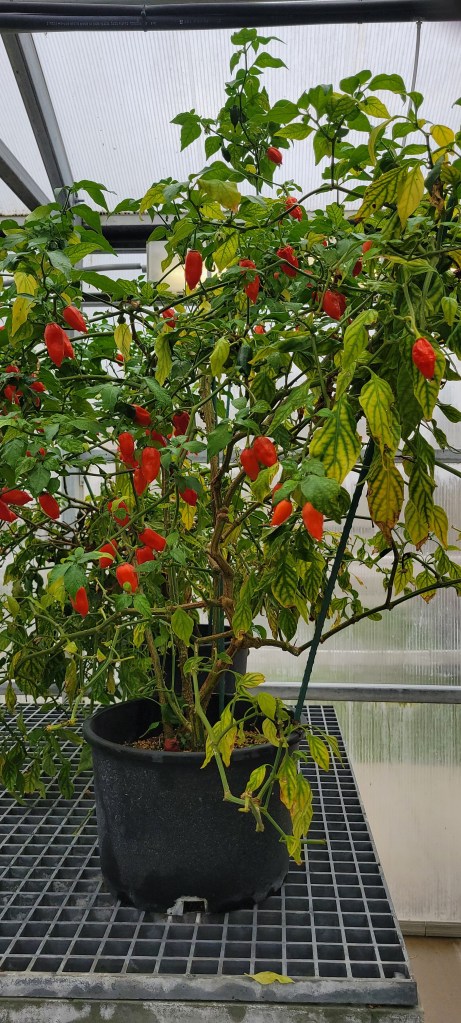
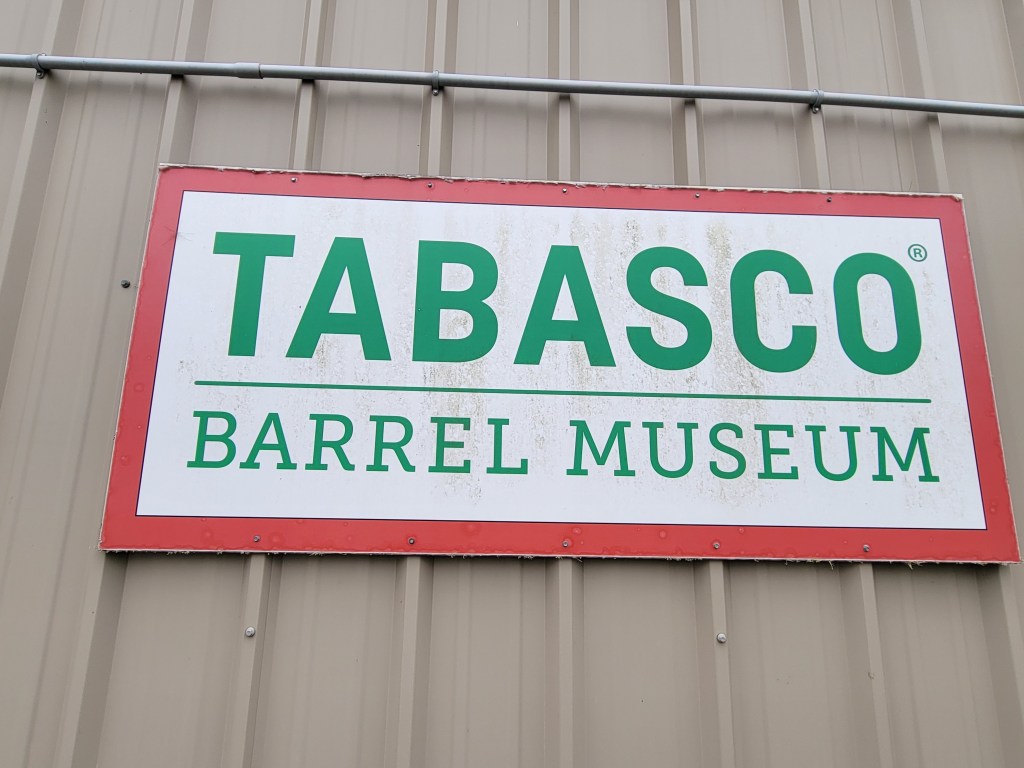
Our next stop was the Tabasco Factory for a tour of how that famous sauce gets made.
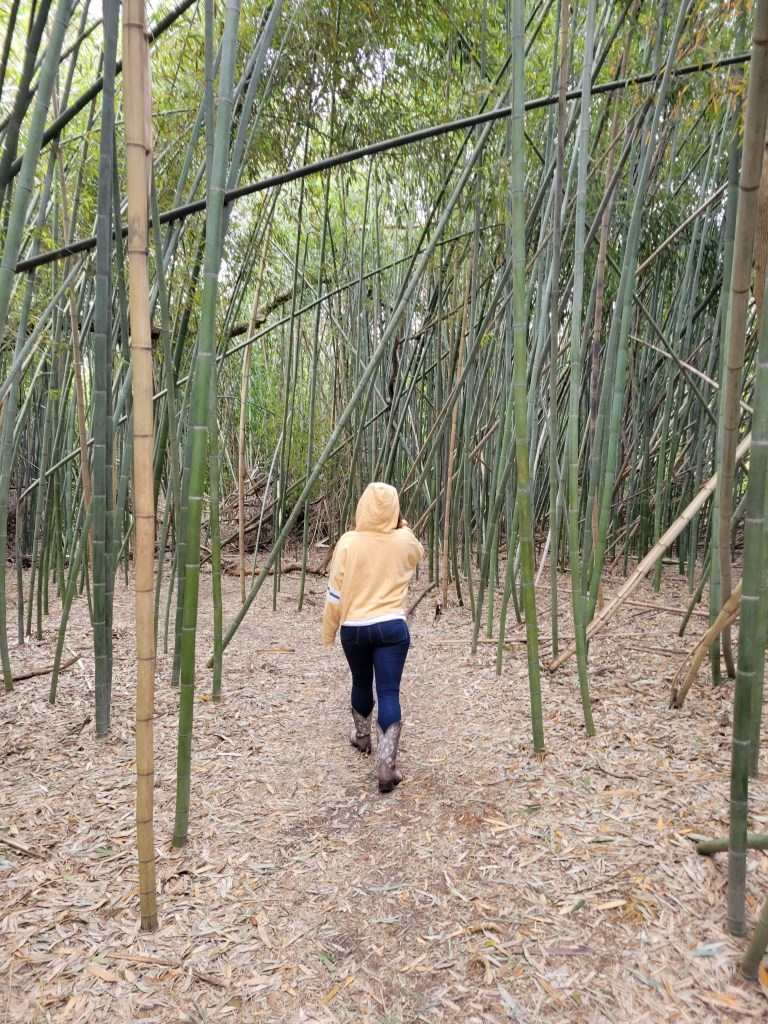
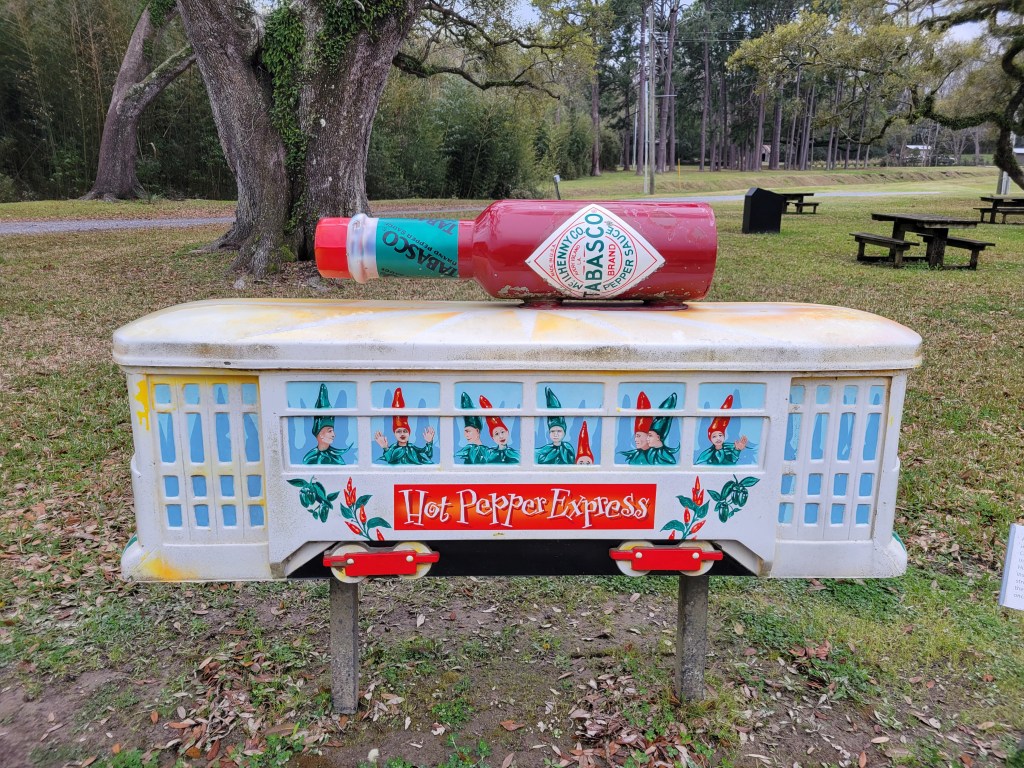
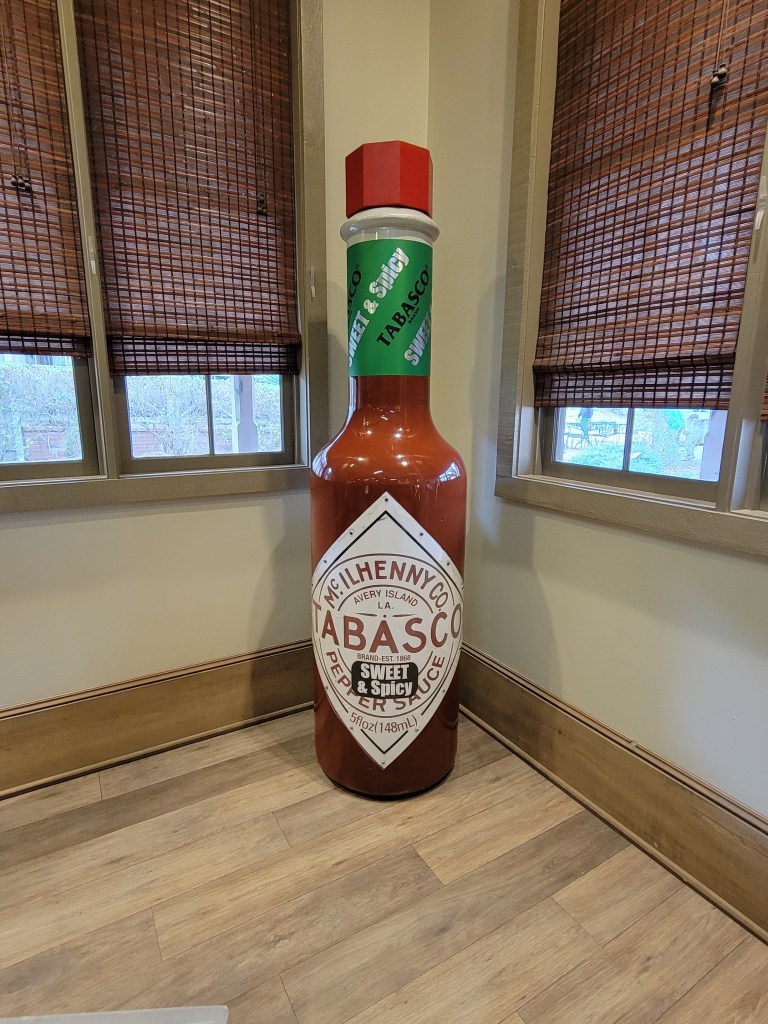
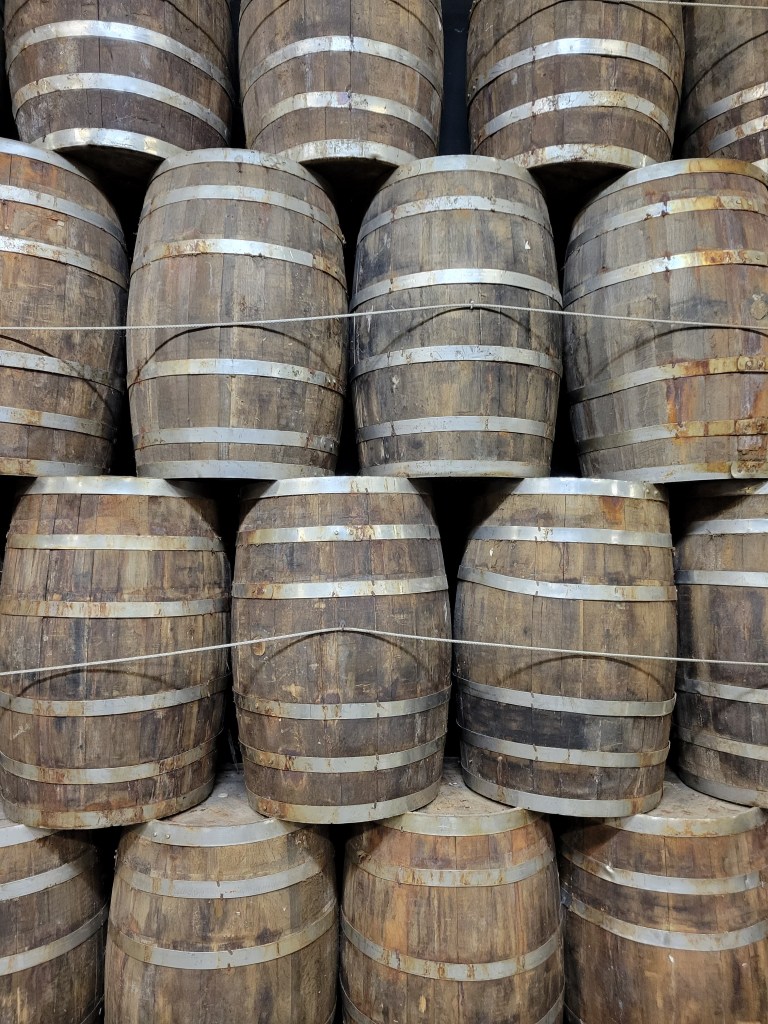
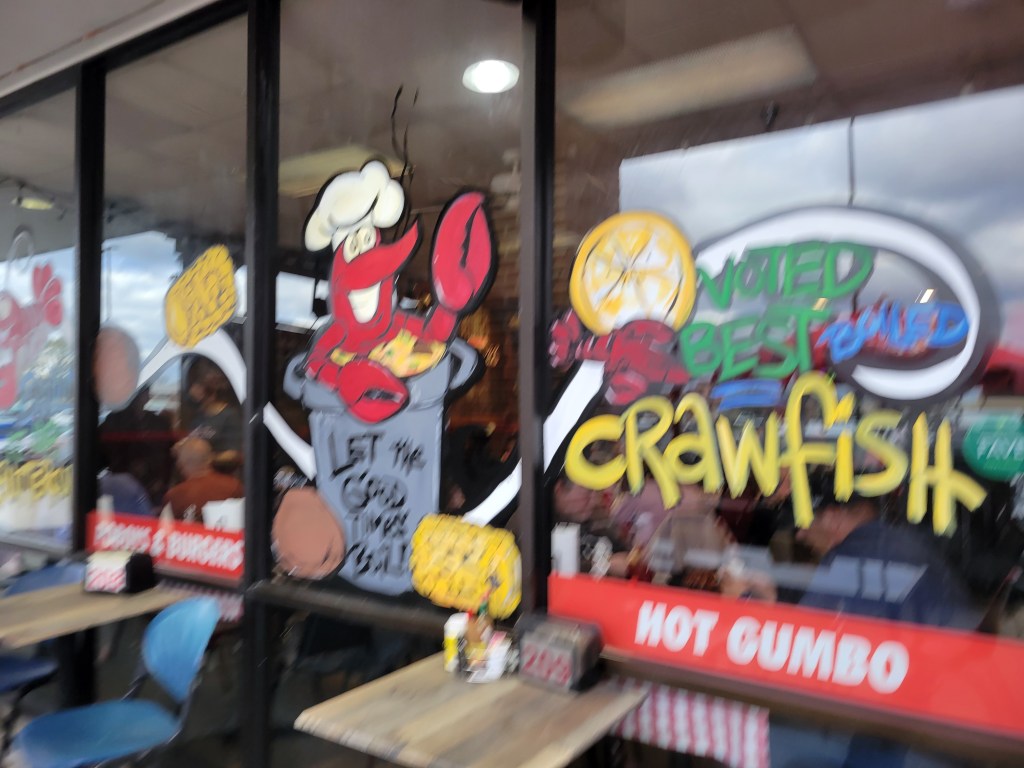
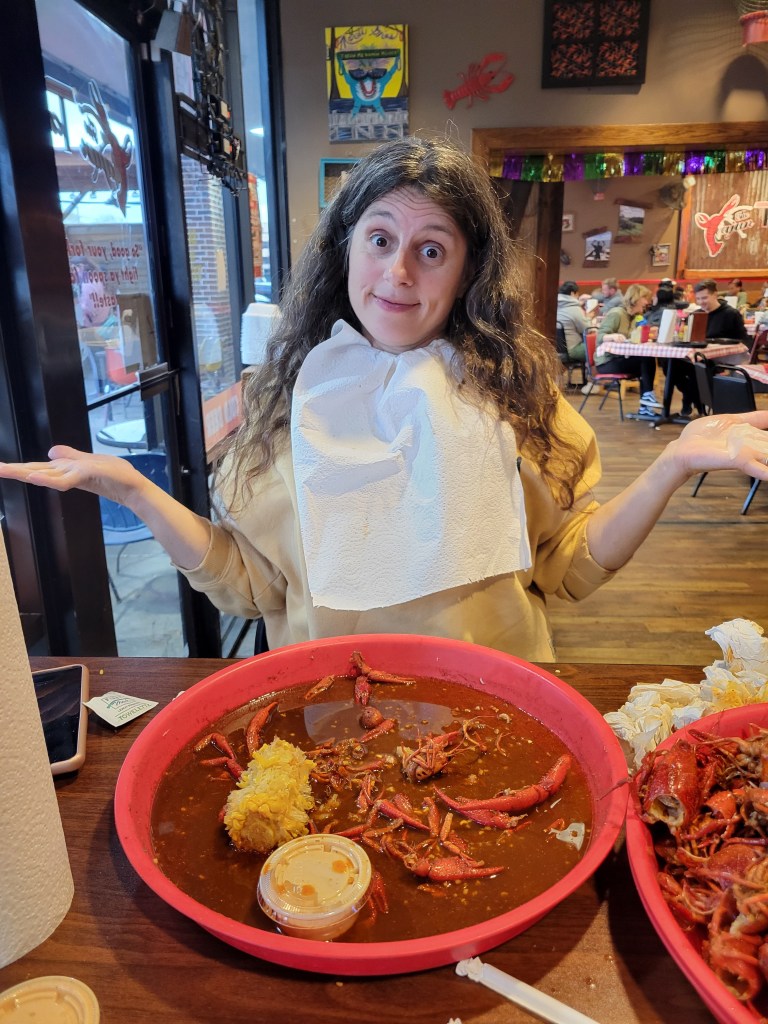
We made our way through New Iberia where we passed a man on the street worth writing about. You can read about him in our People Along the Way section. Then we drove to Lafayette where we had 5lbs of delicious boiled crawfish, a Louisiana must.

We headed northward and stayed a night at the Indian Creek Campground on the Indian Creek Reservoir. There were empty swimming beaches, thanks to the season. But a “Caution: Wildlife” sign was enough to scare Julie out of the water even though, as we were leaving, the woman at the office assured her that alligators don’t bother people.
We headed to Natchtichoes (we learned how to pronounce it from a local and would never have pronounced it correctly without their help – Nakichus), the oldest French settlement in the US. Ryan partook of the world famous Lasyone Meat Pie while Julie watched on with gleeful envy and vicarious joy. We wandered the streets that Julie would see on screen later that evening when she screened Steel Magnolias, which was filmed there.
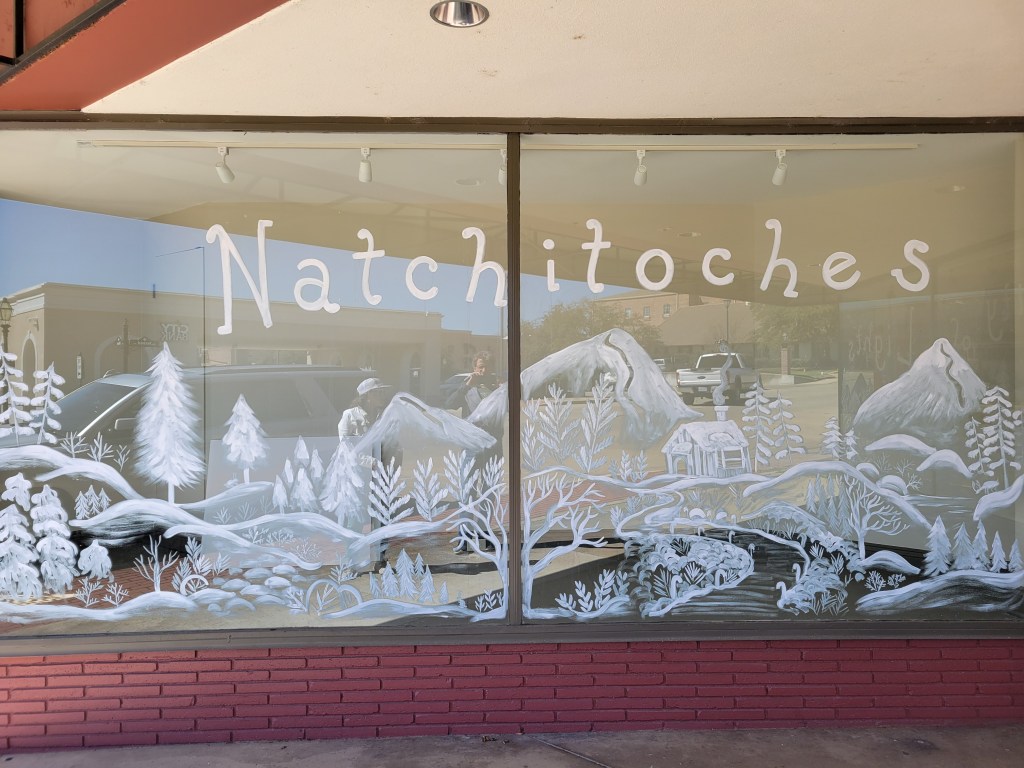
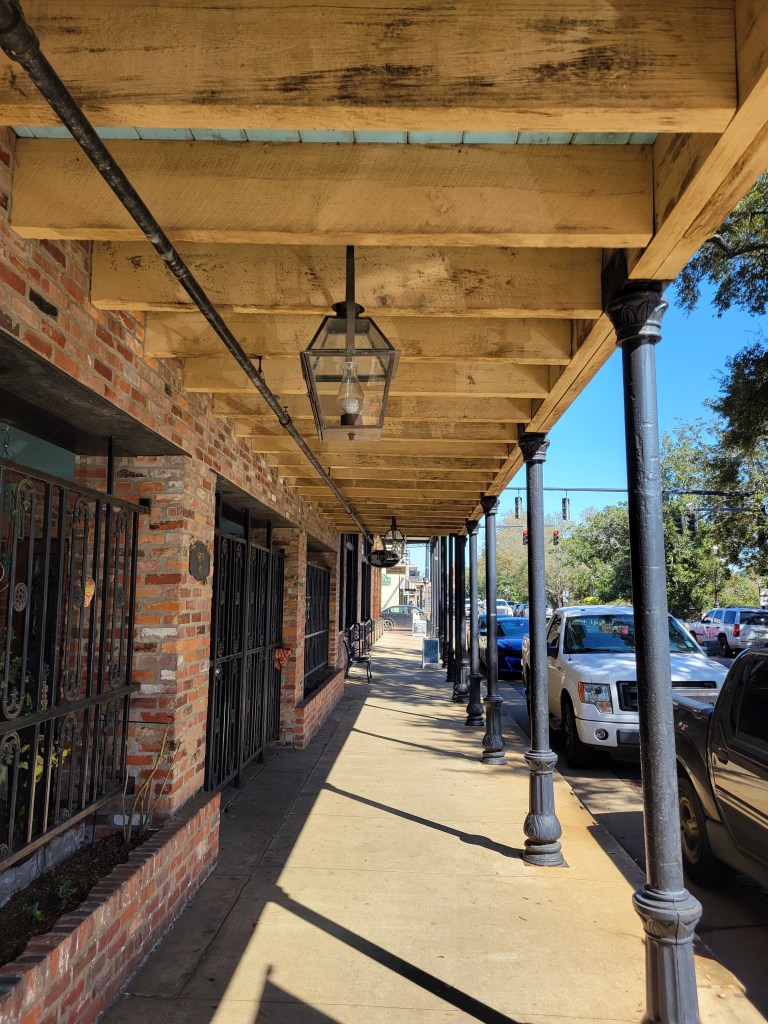
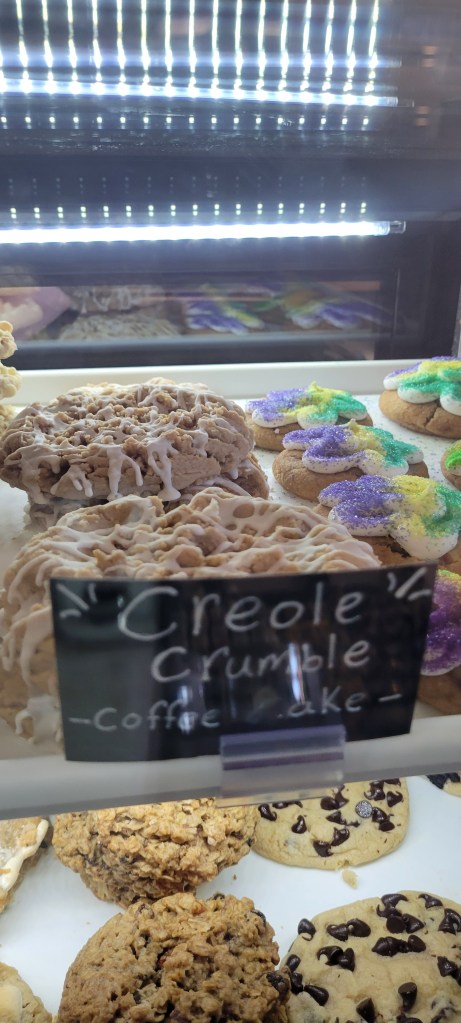
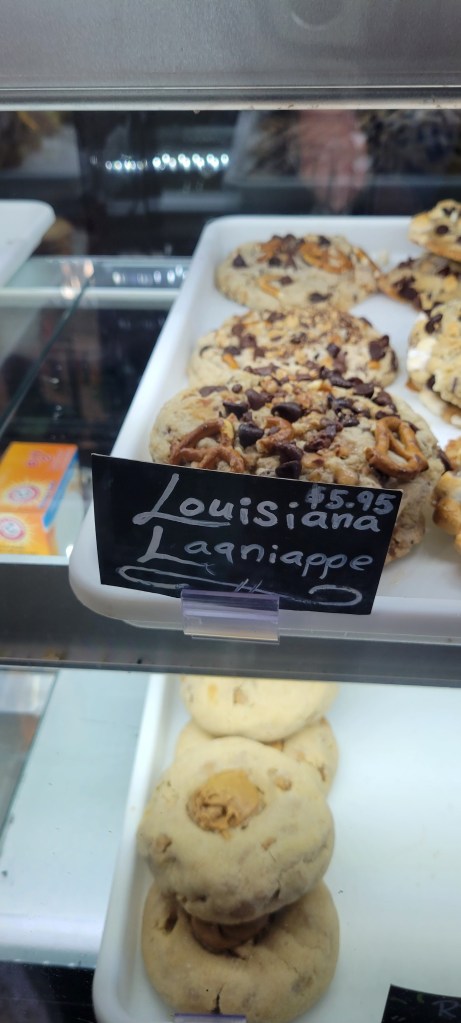
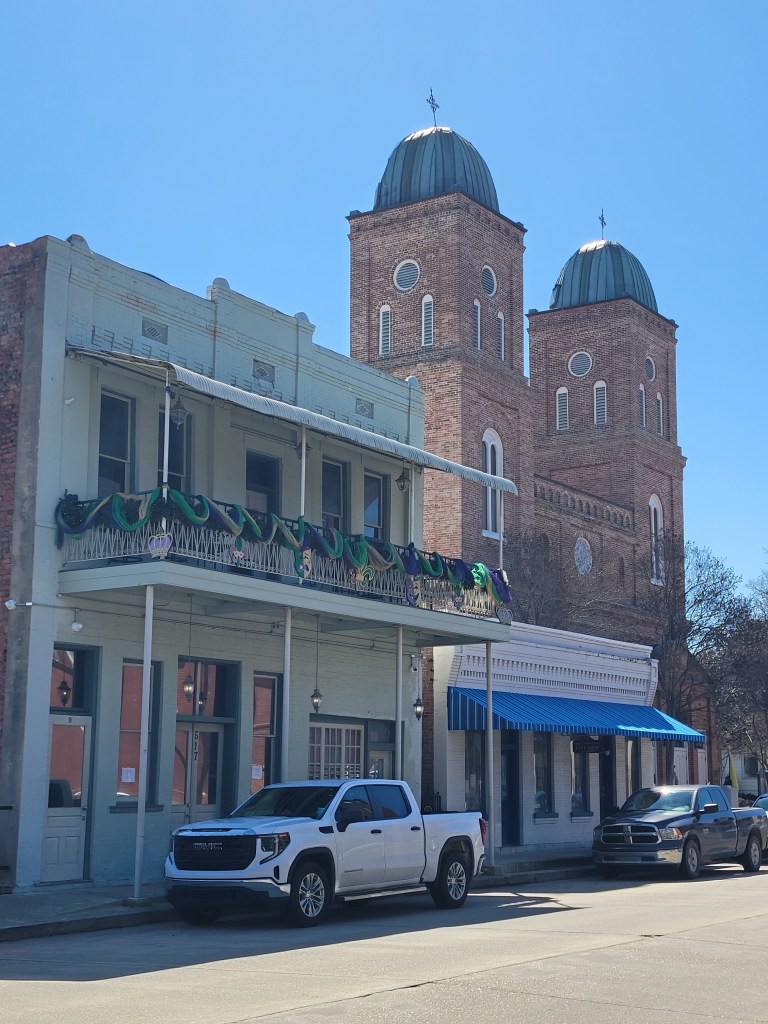
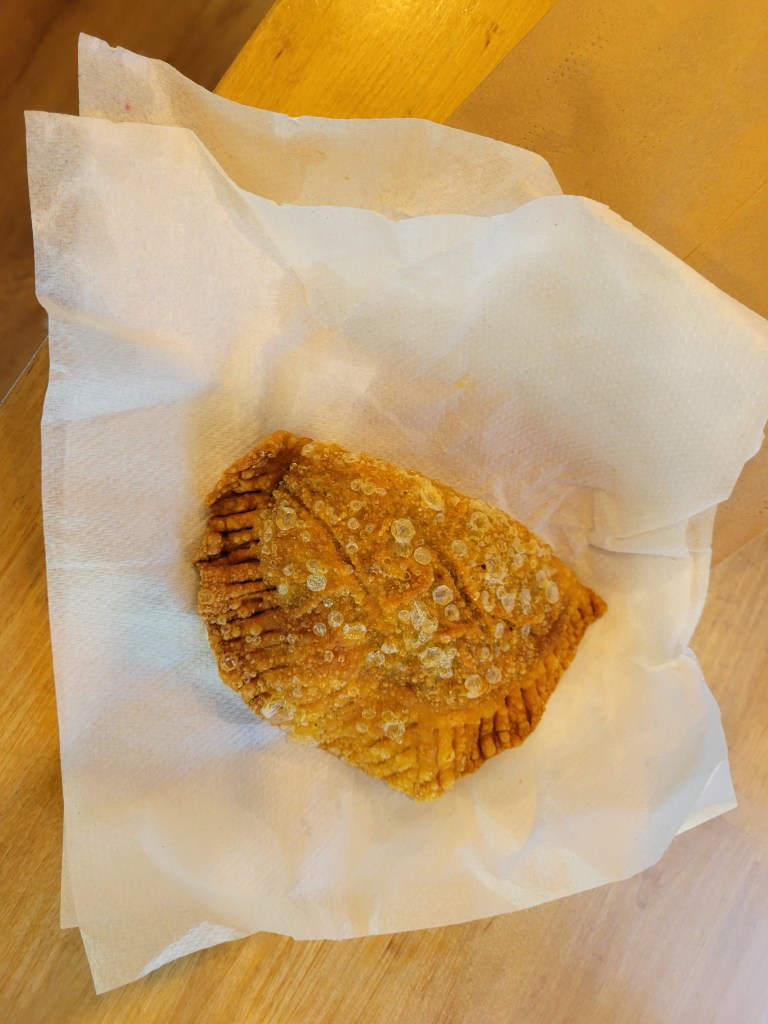
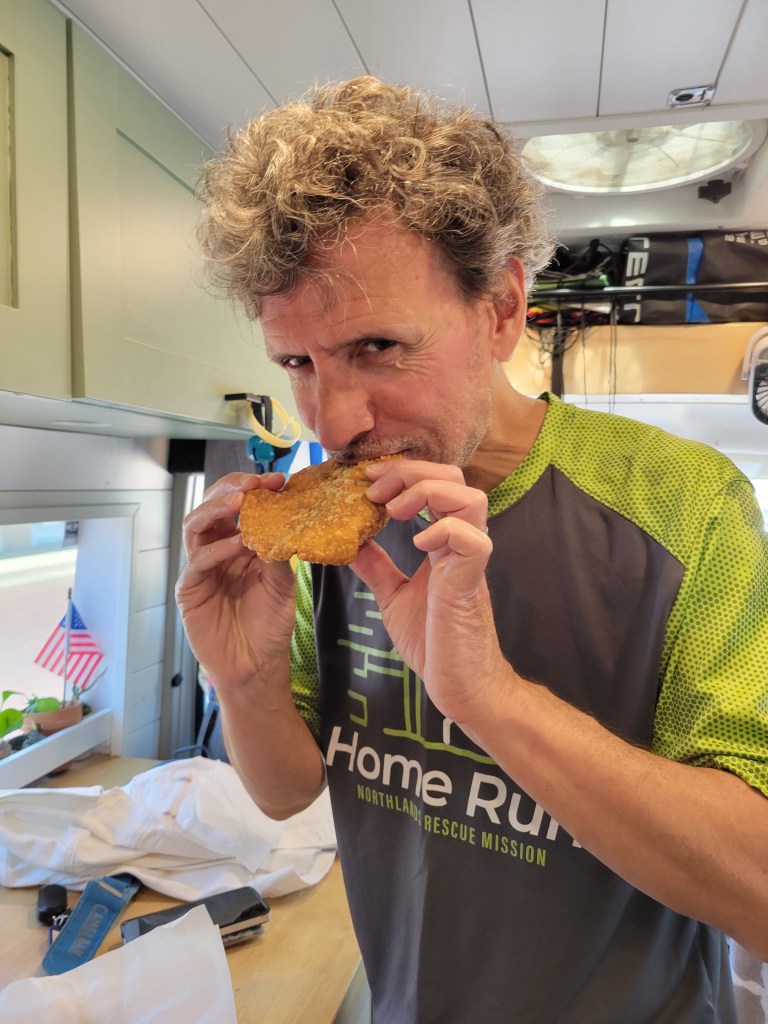
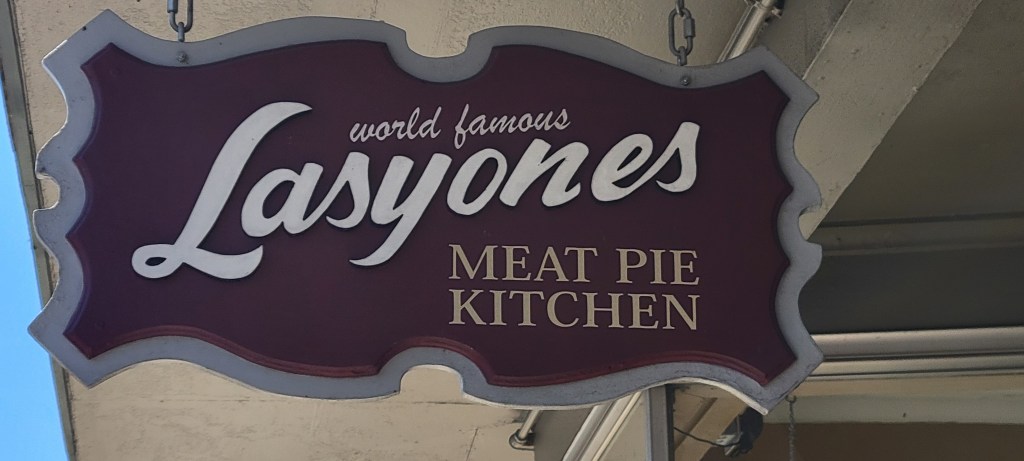
We headed off to our final stop in Louisiana, a World Heritage site of Native American mounds and ridges called Poverty Point.
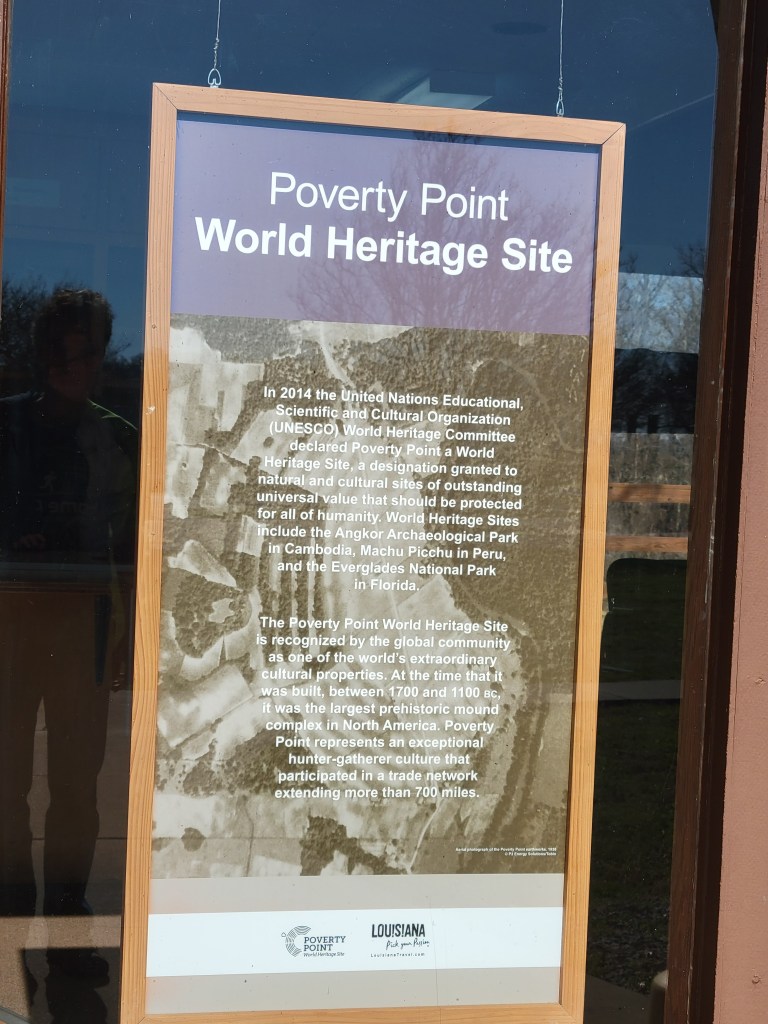
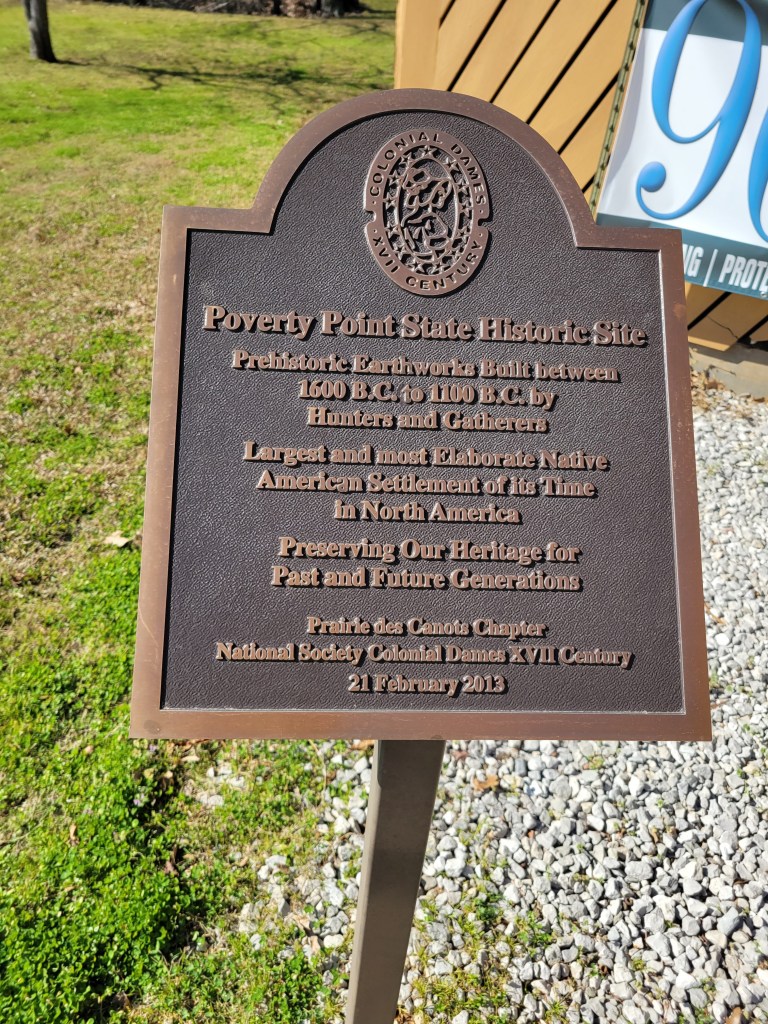
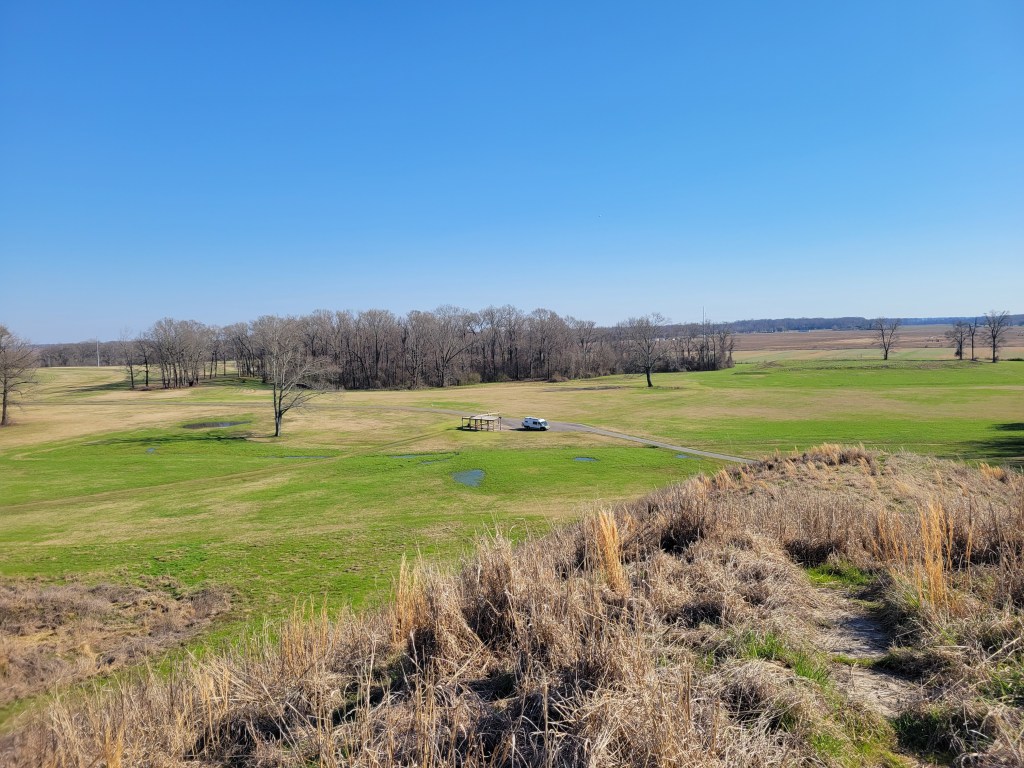
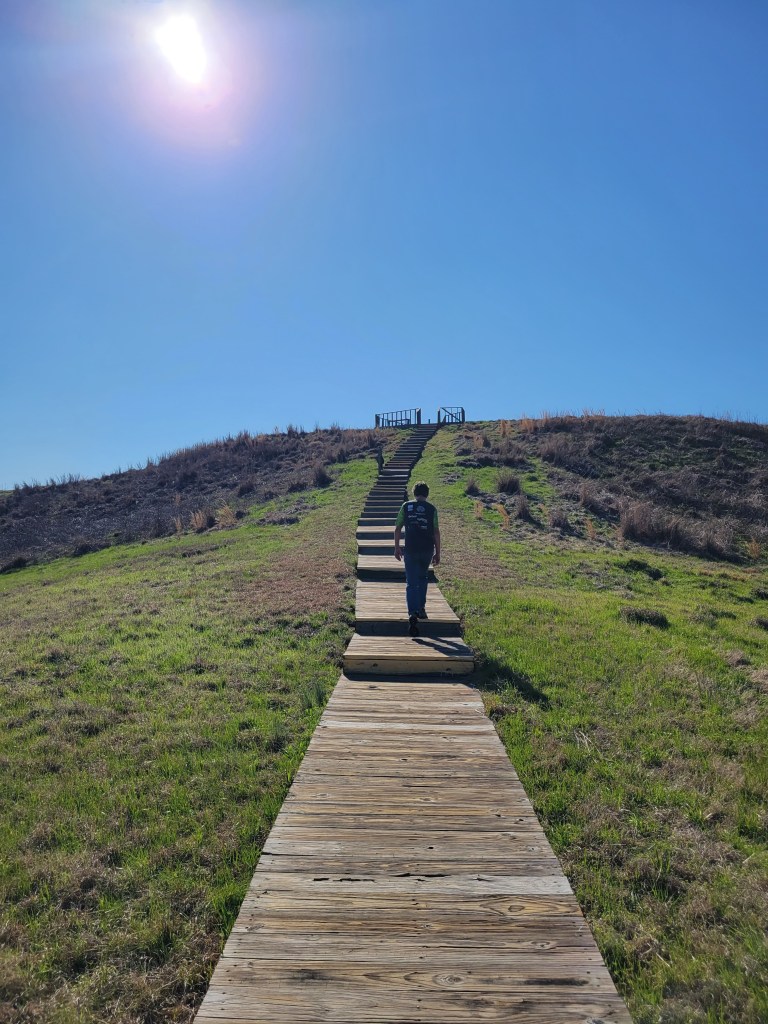

Poverty Point had a reservoir and that reservoir had a “swim at your own risk” beach. Like all other Louisiana beaches in March, it was empty of people. The water was brown and Julie knew this was her last chance to check “swim in Louisiana” off the list. There were no more excuses to make. Time must be made, cold must be withstood and alligator apprehensions must simply be overcome.
”I only have to do 10 strokes, right?” Julie pleaded with Ryan
”I don’t know. You are the one that made the rules.” He reminded her.
”Right.” she said.
And with that, Julie threw a stick into the reservoir hoping that would be enough commotion to scare off any alligators before she went flapping her limbs in the murky water. She went into about a foot and a half deep of water, not wanting to tempt fate any further and did 10 breast strokes and got right out.
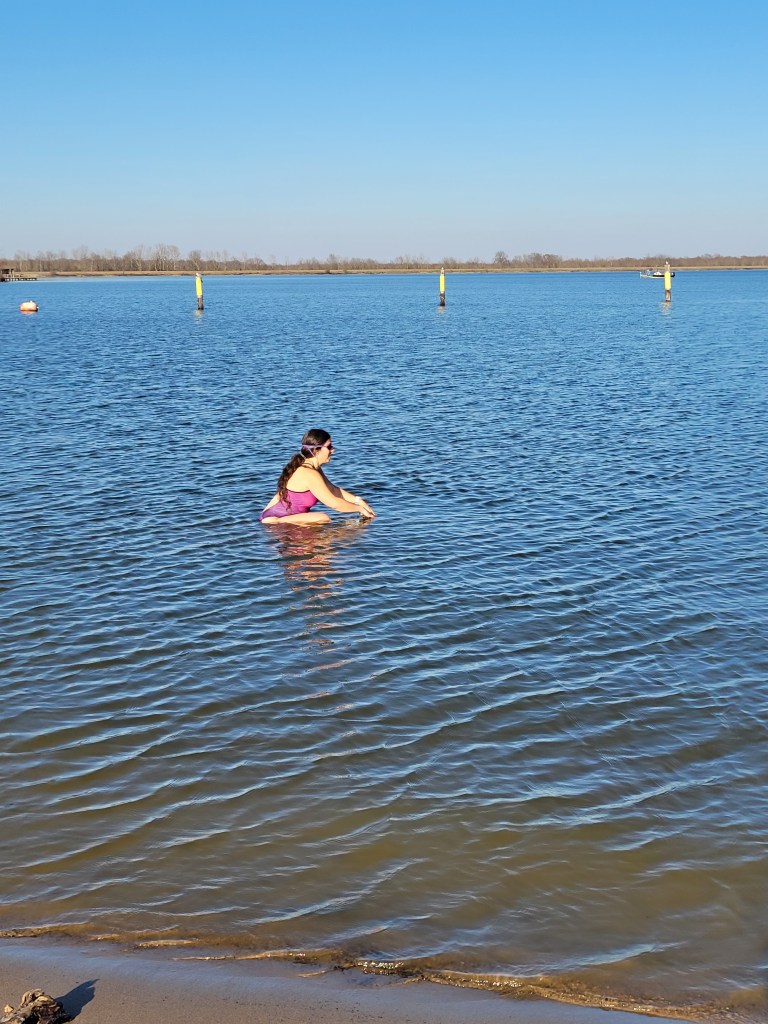
”That’s it! I did it! That counts, right?”
”I don’t know. They are your rules!” Ryan reminded her again.
”I have to get my head in.” Julie said as the enforcer of her own arbitrary conditions.
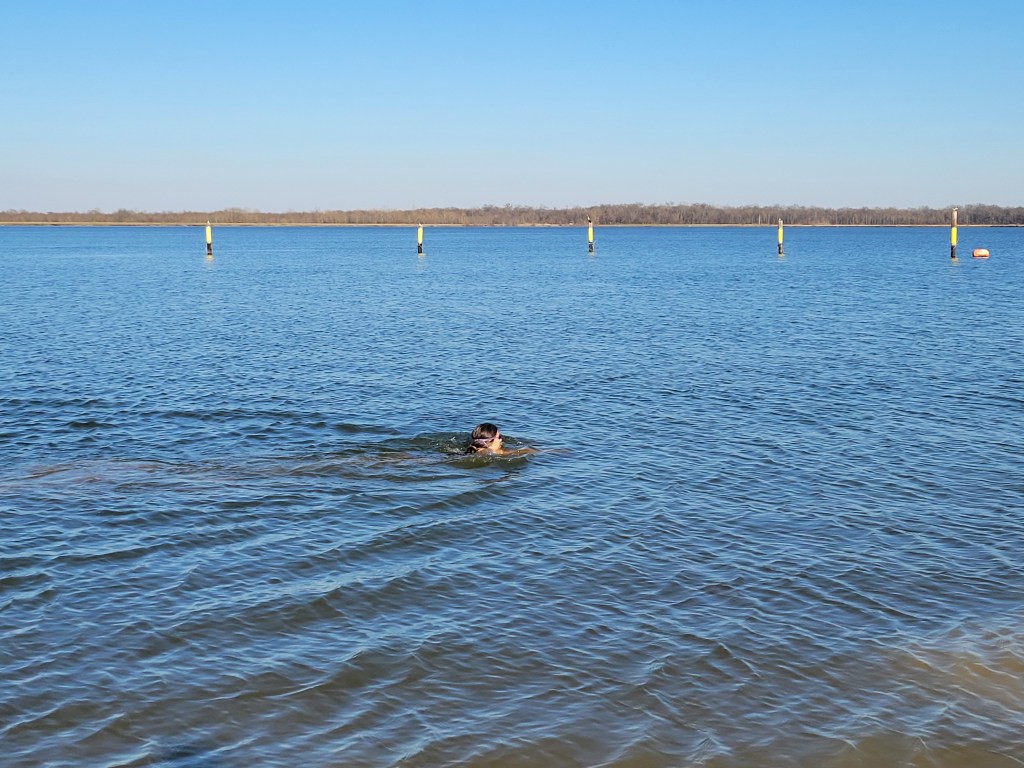
She returned to the murky water and dunked her head completely in.
”Okay! That counts! I did it! You saw it. I swam in Louisiana.”
Ryan smiled and nodded.
Next time Julie swims in Louisiana, it will be when there are many more hands and feet in that water with her.
But, still, on this 50 states tour, she emerged from the water triumphant and surprisingly refreshed.
And, with that, we come to the present moment. And it is time to bring our visit to Louisiana, sadly, to a close.
Louisiana is a taste, in every sense of the word. It is a flavor that seizes the senses from every which way. It is a place where, if you marinate long enough in it, you feel yourself start to become part of the delicious stew that it is. And we will leave Louisiana, most certainly, hungry for more.
 R and J in the USA
Leave a comment