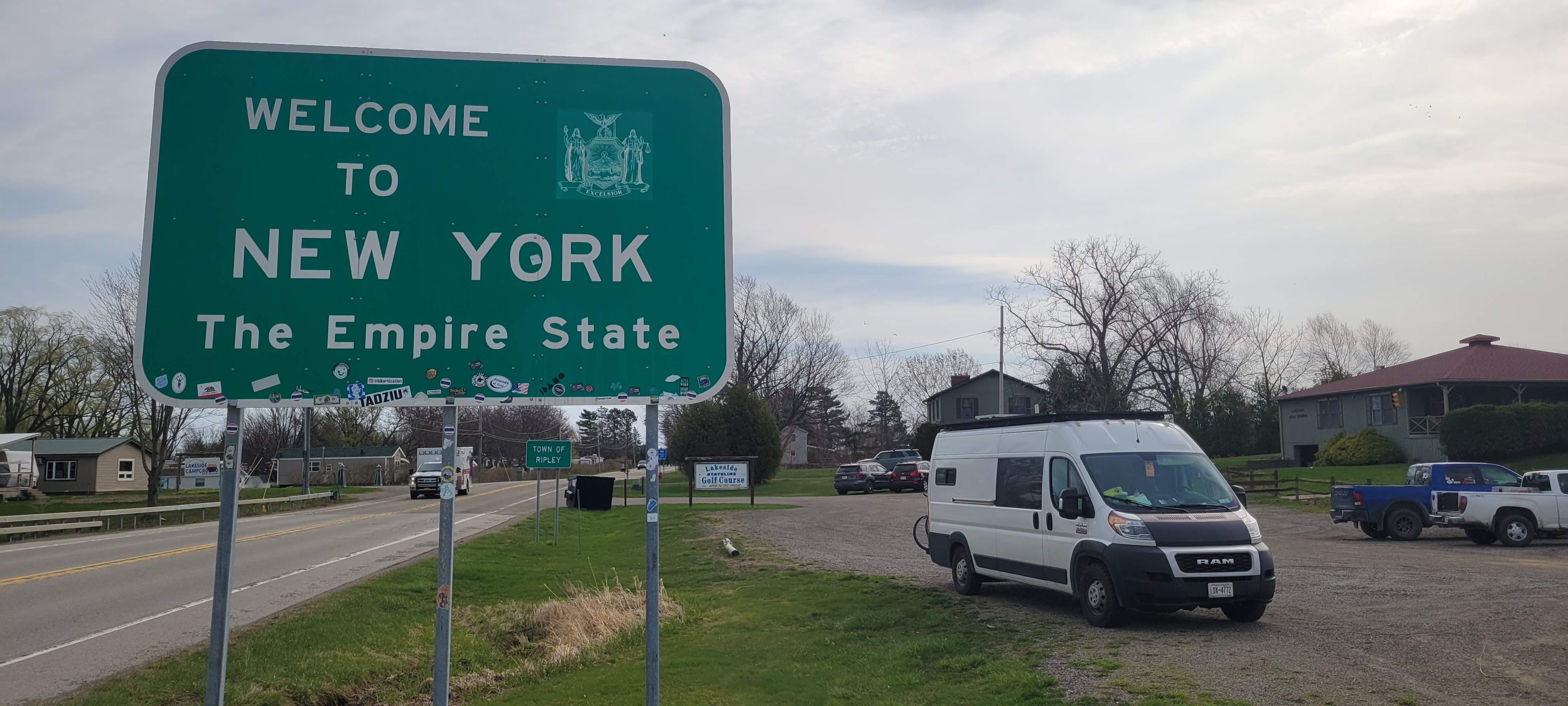
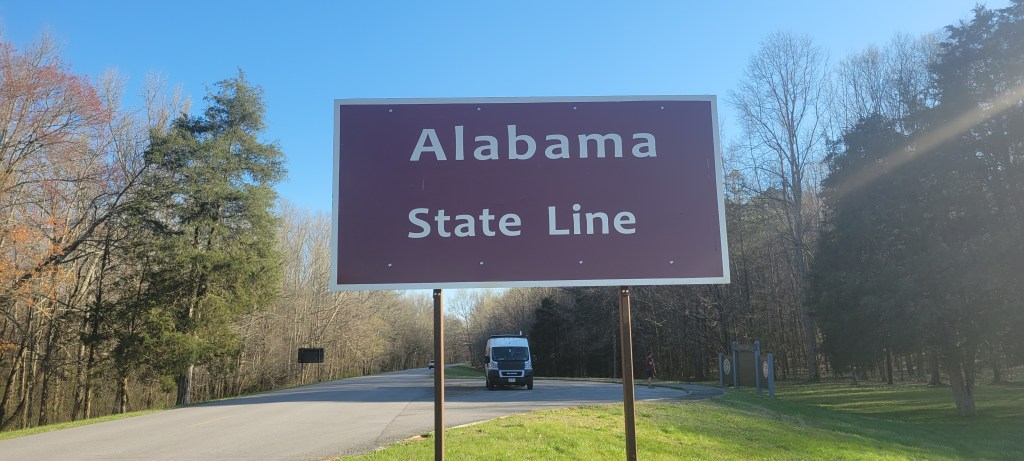
How many of us, across this country, have lit up when we hear those first few notes of that unmistakable opening lick of greasy southern rock ringing out on the guitar? No matter where you are from, there is a decent likelihood that, thanks to Lynard Skynard, Sweet Home Alabama means something to you. In our 6 days in the state, we’ve had a chance to feel that rhythm in all five senses and “Ole Bammy” has made her case.





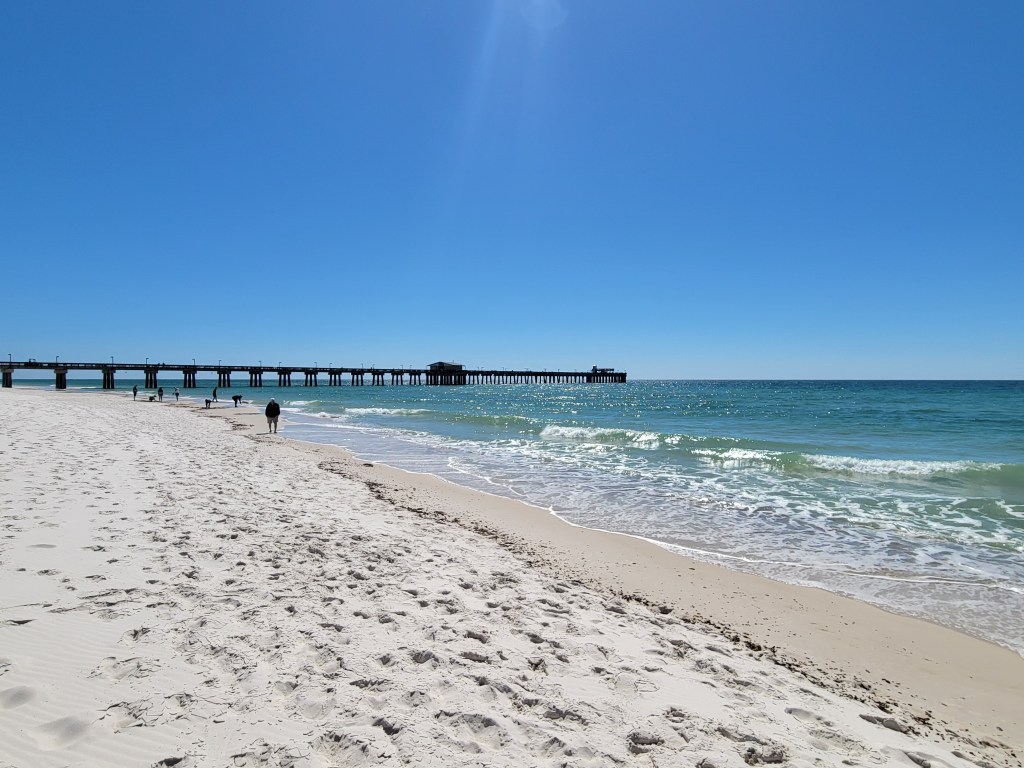
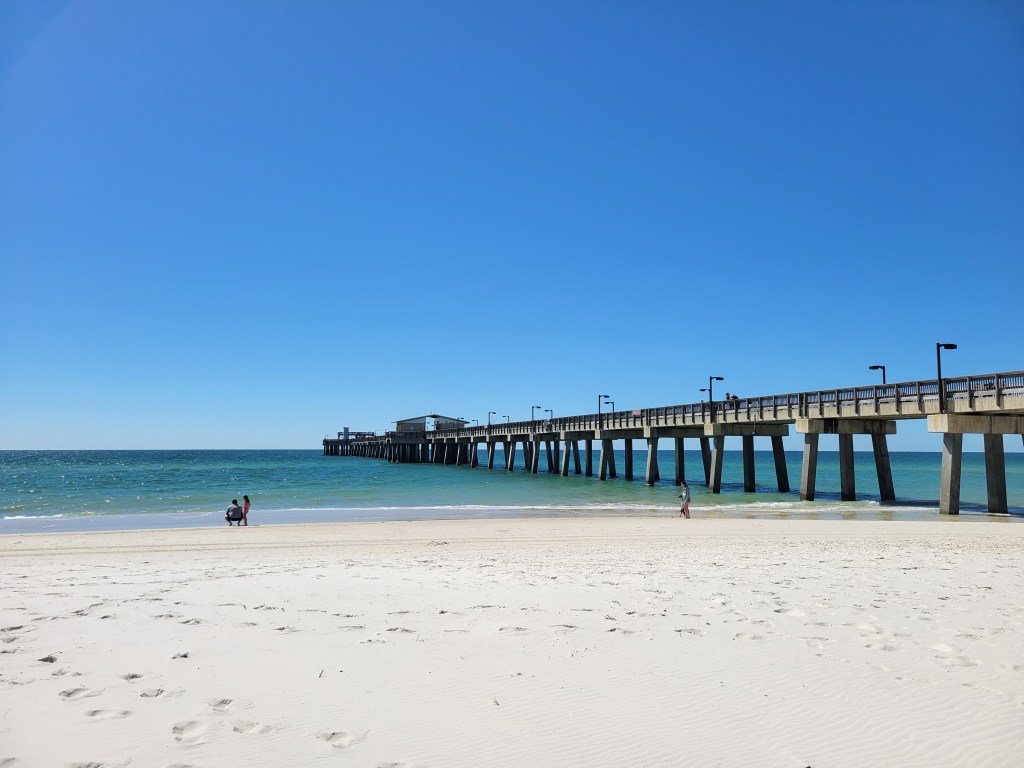
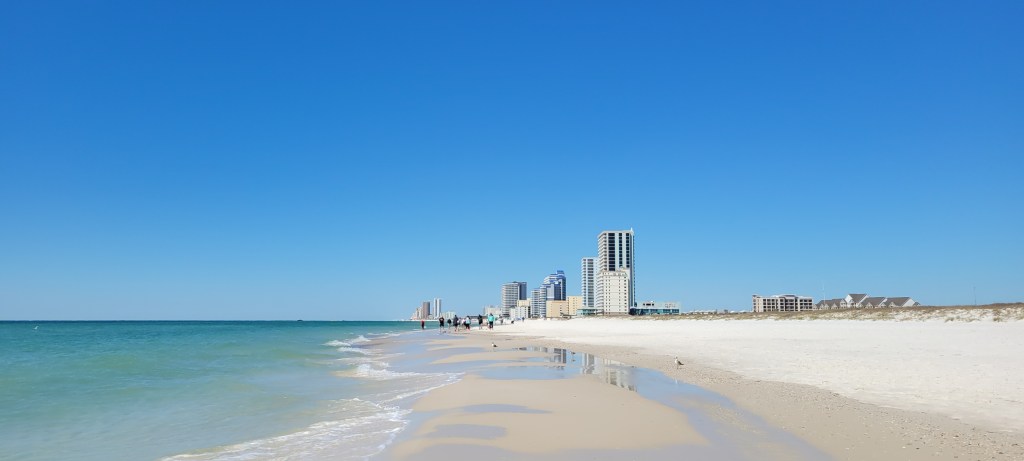
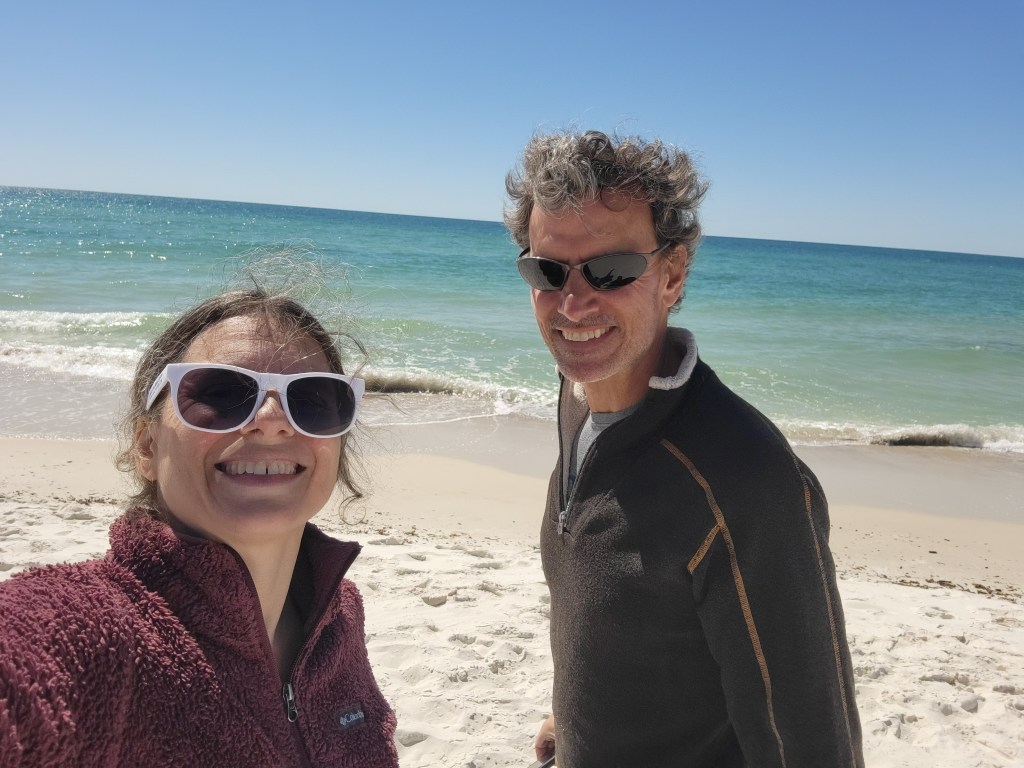
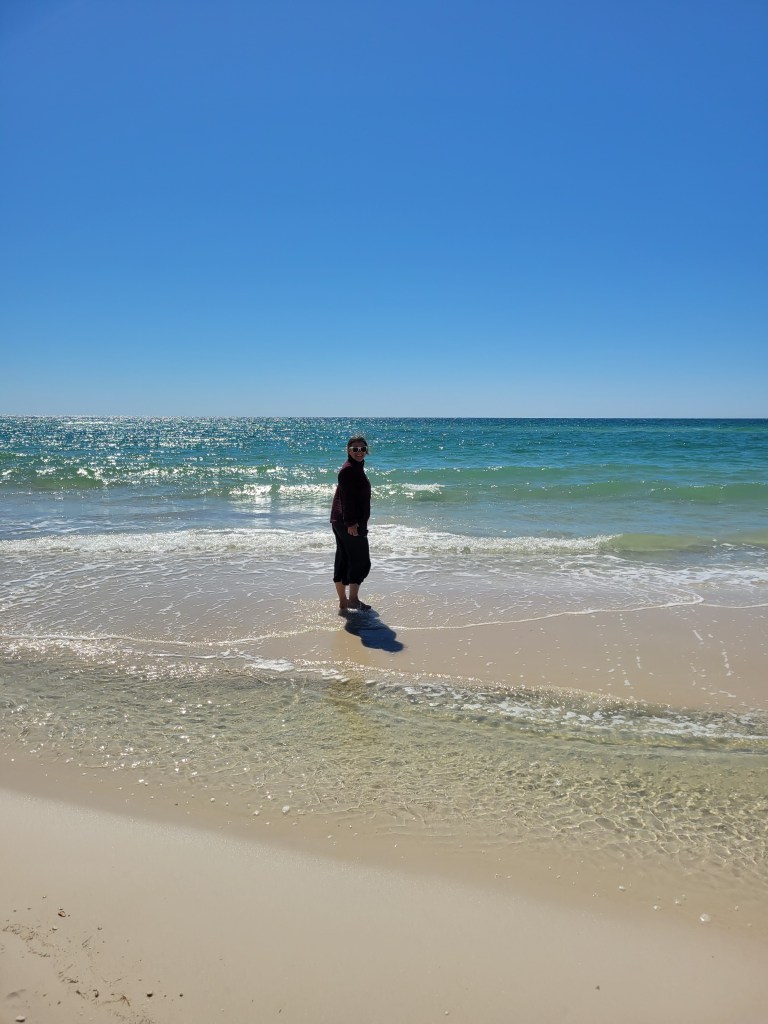
We’ve learned so much about a state that was fairly new to us both. We learned that, like a handful of states in the region, Alabama has few, if any (depending on which source we encountered) natural lakes and that any she does have are a result of damned rivers. We learned that, lakes or no lakes, filled with rivers from top to bottom, Alabama is one of the most water rich states there is and is number one in aqua-biodiversity in the country (according to the source we saw). We knew that Alabama had gulf coastline and beaches, but we were not prepared for the level of beauty we encountered when we stood on them. We’ve seen gulf coastline in Louisiana, Mississippi and Florida. All, of course, have beauty to them as most shorelines tend to have. What we saw in Gulf Shores, Alabama, however, was a level of beauty we did not expect to see outside of the tropics, or subtropics. We learned that part of that has to do with the incredible, fine white sand that squeezed between our toes as we gleefully frolicked (okay, Julie frolicked, Ryan walked like a grown ass adult) along the coastline of the glowing blue-green waters and that that sand is made of quartz crystals that originated in the Appalachian mountains and made their way, over thousands of years, to the edge of this stunning sea. We’ve gotten to be on a number of beaches in this country over these months, and were not expecting to say that the beaches in Alabama would rank high on our list for most beautiful beaches we’ve ever seen.

Alabama is a place that has stirred powerful and potent feelings when invoked, especially in the minds of people that aren’t from here, largely as a result of some of its most well-known history. Those feelings run a gamut of extremes – from the deep stirrings of profound romance and pride to those of profound horror and pain.
The romance about Alabama has echoed far and wide, not just across the country, but around the world. Whether it is the whimsical purity of a simple-minded man named Forrest, moving through America and American history, that hails from the (fictional) town of Greenbow, Alabama or the tails of a nearly endless stream of classic and epic musicians that have been pulled towards the almost transcendent sounds reverberating out of a little town called Muscle Shoals along “the singing river”, as the Yuchi Tribe of northwestern Alabama called the Tennessee River, to the feelings that everybody who’s ever felt their spirit or body moved to righteous pride for a Sweet Home Alabama by those unmistakable, iconic and irrepressible opening guitar licks. You know there is something special about a place when the people who created the iconic song in dedication to what a sweet home it is, are from Jacksonville, Florida. And thanks to them, you would not be alone if you found there were someplace inside of you that felt a little bit of nostalgia for that sweet home, Alabama, whether you’ve ever laid foot in the state or not.

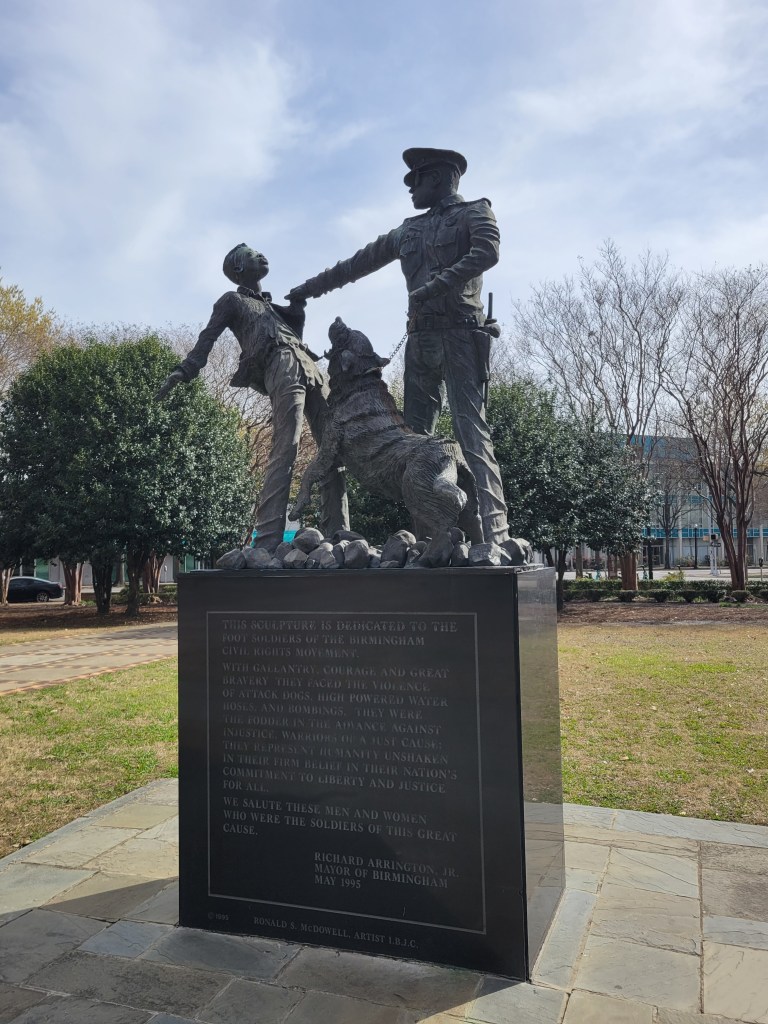
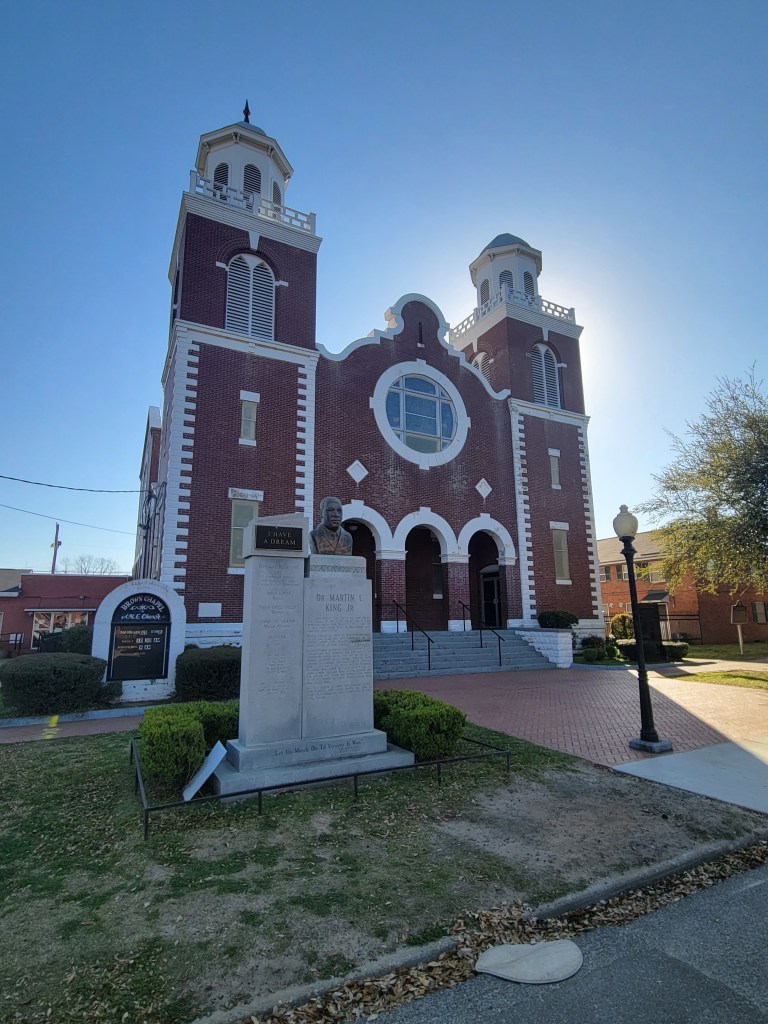
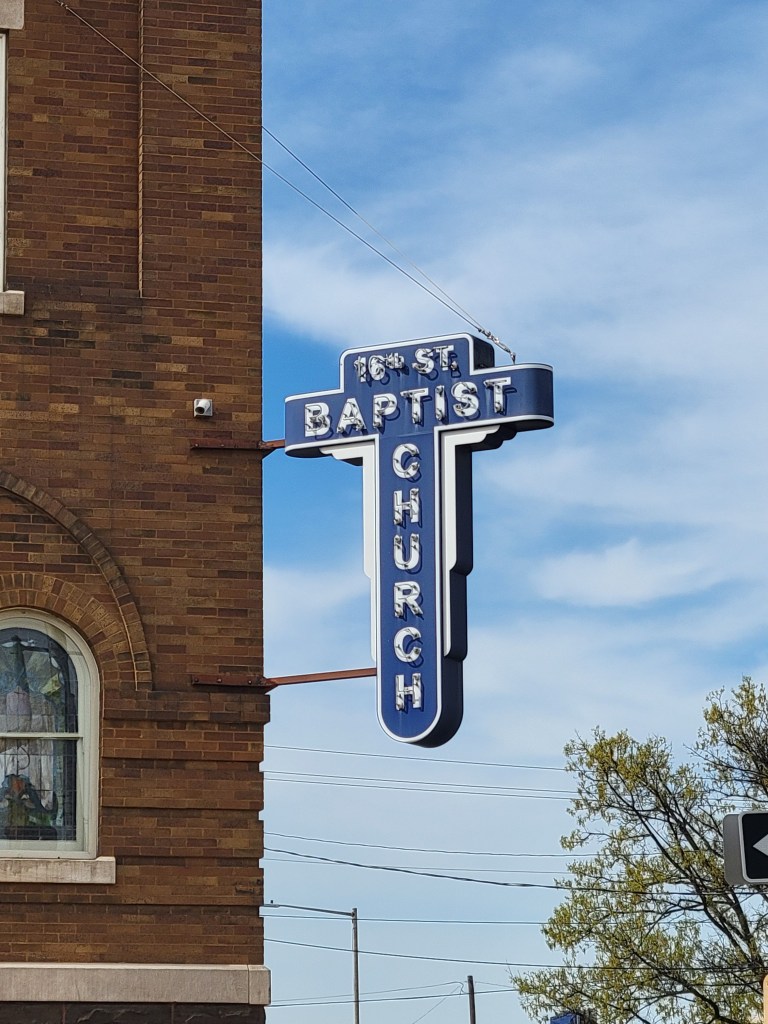
There are also the flip side of emotions, drawn from images of Alabaman history that have also laid claim to a piece of our collective psyche and may or may not have taken up residence in the front or the back of your own mind. You would not be alone if there were not some place in you that immediately conjured images of sharp and snarling canine teeth when you hear the word Birmingham or felt a deep sense of horror at what seems the unimaginable hate that could make little girls in church a target. Or, maybe you see the images of civilians being trampled by police on horseback inside a cloud of tear gas on the Edmund Pettus Bridge in Selma. Maybe what surges in you is pride and inspiration at the courage of Alabamans that walked across that bridge and all the way to Montgomery 60 years ago. Maybe what surges in you is shock, dismay, confusion that they had to march and push through the violent resistance they did at all. Maybe, when you hear the name Alabama, what surges in you is the memory of a dream that echoed across the mall of our nation’s capital over 60 years ago, dreaming about what might “one day in Alabama” be possible. Maybe none of these memories or thoughts are seared into your brain. And maybe they are. And, if they are, they may have no effect on what the Alabama of today means to you. Or maybe, in ways you don’t mean them to, they have affected a subtle perception you might have of a place that carries moments and movements and sentiments of such a loud and evocative history.


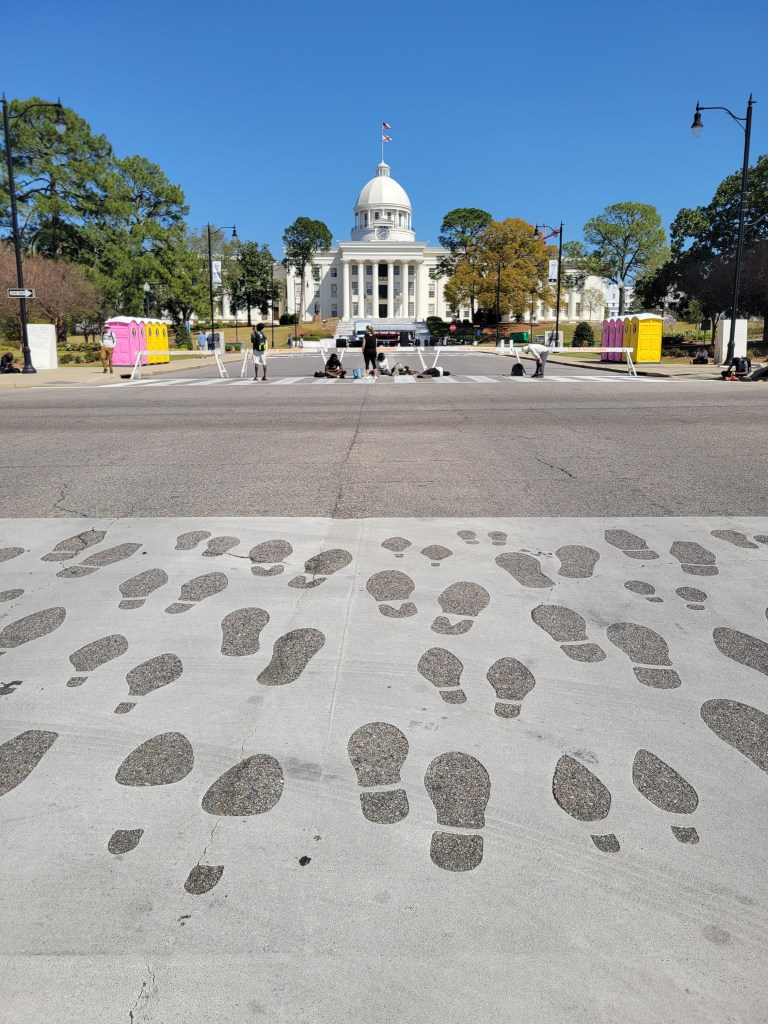
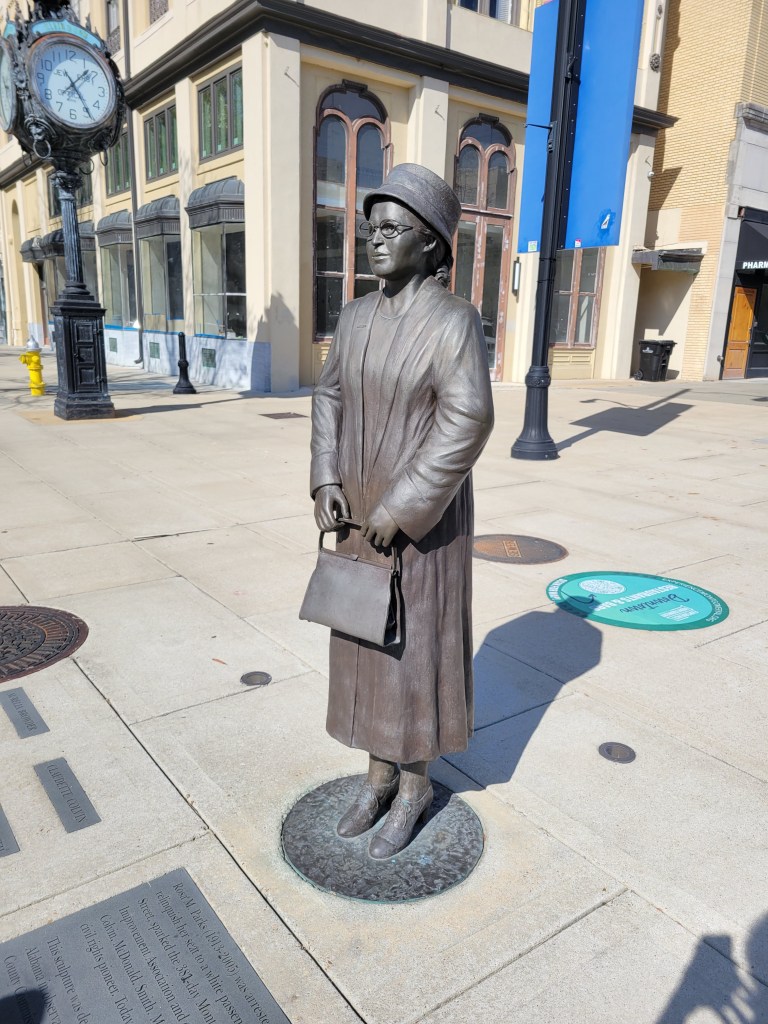
Whether you’ve been to Alabama or not, let alone called her home, you probably have had a moment or two where you’ve been moved to emotion by its mention whether towards a sense of magic or towards one of something darker.
As we’ve moved through this country, we’ve learned that it is hard to hold a complex appreciation of a place that you don’t live in and that is many miles away from where your life takes place. There are more people than we can count who have immediately assumed that we regularly go to the Empire State Building, being from the state of New York, despite it being over 5 hours away from us by car. That’s what they know of New York, and why should they know anything more? We have needed to put in tremendous effort to learn a little bit about states that are far from where we call home, to even come to realize the places where we had a limited view of a place based on the few small things we know about that place, whether it be from images and perceptions of its present or its past. We don’t expect others to have that same effort available to invest in pursuing that more multidimensional view of where we are from. And, from our vantage point, Alabama is also a state with images that can make their way across the miles that simplify what the state is in the minds of people that aren’t from here.
And, of course, Alabama, like every other place, is a place that is ever so much more complex than any such narratives or images that might be placed on it. It is a place filled with the beauties that come with a rich and varied landscape and peopled by folks that call it their home. It is a place where people are living their lives day-to-day, treasuring what is beautiful about the place where they live and finding a way to live, love and feel proud amidst a rich and complex history and cultural heritage, all of which we got a chance to see and taste in small part over our 6 days here. As we have traveled this country, we have found, there is not a single square inch of it that is free from complexity in either the present or the past. At the same time, there is also a simplicity to be found everywhere. And the source of what makes each place simple and what makes each place complex is usually the same. People. People being people, and doing their best to live a decent life with and amongst each other. And so it goes with Alabama. The source of those images of love, magic, pride and romance are real and well-deserved and much of them, still very much alive today. The source of those images of horror and pain are real and deserved in the history of the state. But, Alabama is more and other than either of those extremes. It is a beautiful place with rivers and waterfalls, coastal plans and gulf shorelines, rolling hills and mountains that, though modest in height are striking in beauty. It is a place filled with a tapestry of people living life, celebrating their culture and doing their best to make it all work and enjoy it along the way.
In our time in Alabama, we have seen places dealing with the devastation of storms of the past, both literally and figuratively, where economies and buildings and infrastructures are still working to recover. We’ve seen places of vibrance and life spilling over in every possible way. There is no place we’ve seen that has not shared and communicated a warm and welcoming spirit where storms were being overcome by the will of people with vision and the support of communities coming together to do so. We saw monuments to the past and calls to action for the present. We saw questions being wrestled with and efforts for forward motion in action. There is not a place we went where good food, good music, community spirit and local pride was ever too far away in any direction. We had ourselves a great time in Alabama and found ourselves not too eager to leave when the time came.
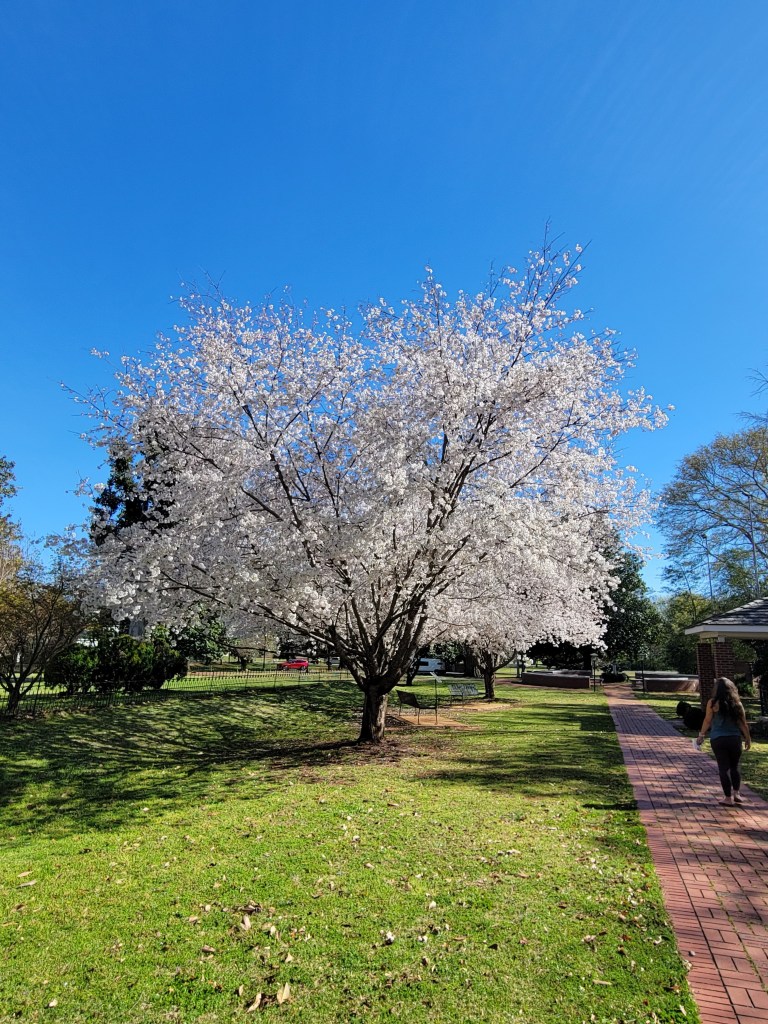
There was much of Alabama that reminded us of our home in upstate New York. There were towns we passed through and landscapes we saw that we imagined, if we had just been dropped into, we could have been convinced were upstate New York. And, of course, there were many other sights that let us know, for sure, we were visiting somewhere far from home, including the cherry blossoms in fall bloom in March.

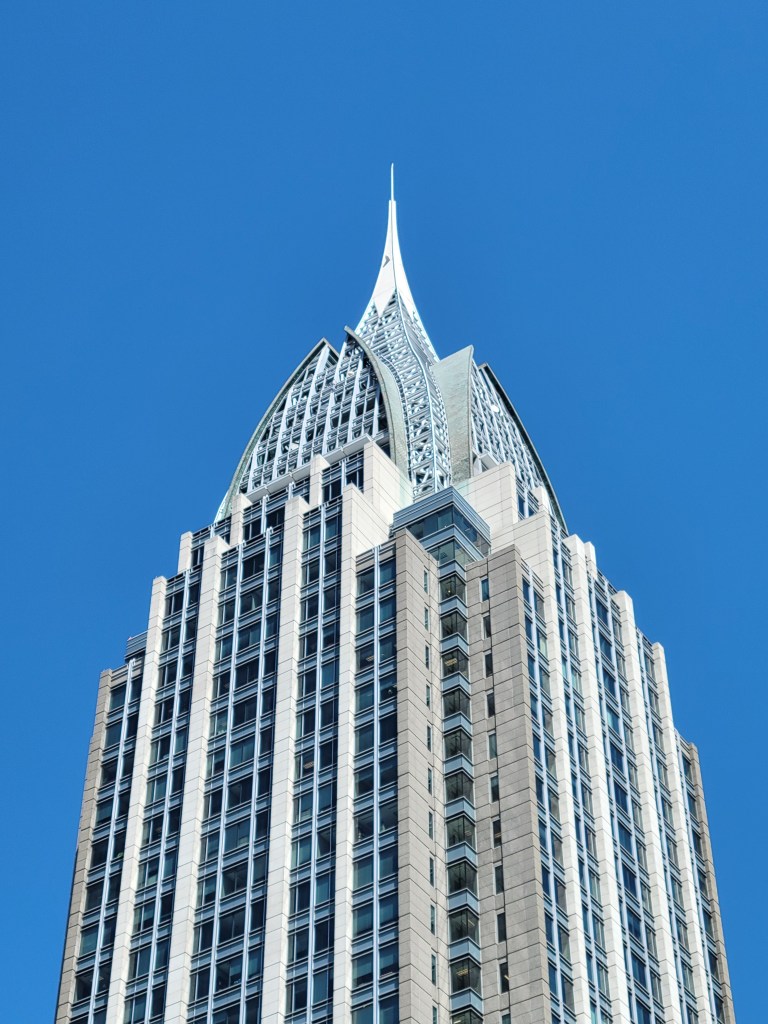
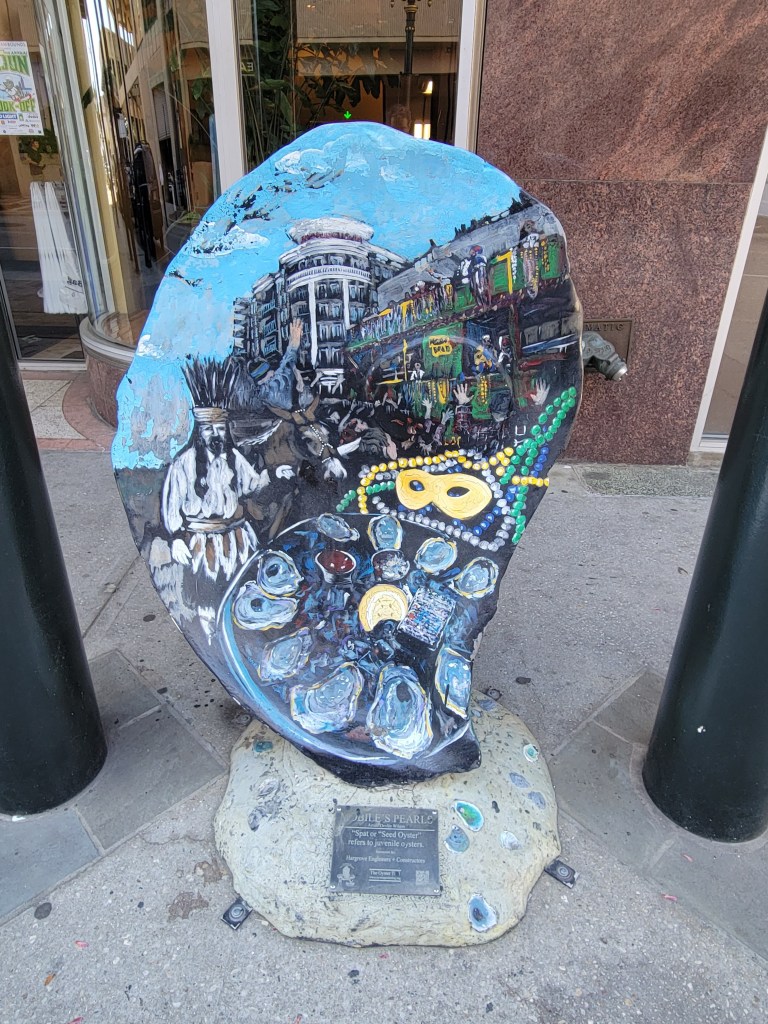
We started our Alabama adventures off in the southern part of the state. Driving in from Biloxi, Mississippi, our first stop was Mobile. We found ourselves immediately charmed by the architecture and layout of the city, finding the shape and design of the buildings to be soothing in the way they displayed the cast iron that we later learned the northern part of the state is famous for to be adorning the buildings and their layered balconies. This was the first city we’d been in that reminded us of New Orleans in any way, a city that we had, otherwise thought to be entirely singular. It still is, but Mobile shared some of its definitive qualities, at least in aesthetic. We could tell from the decor in the coffee shops and the beads hanging from the trees and the mention of King Cakes that Mardi Gras was a presence here as well. We learned a little bit about the Battle of Mobile Bay from the Civil War and got a glimpse from afar of the awesome site that is the USS Alabama. We spent a few hours parked next to the water while we worked out some itinerary questions and peered at one delicious looking seafood restaurant after another. We lamented that our timing was not suitable for dining and figured, by the time we landed in Gulf Shores, Alabama further south, we’d surely get our fill of seafood there.


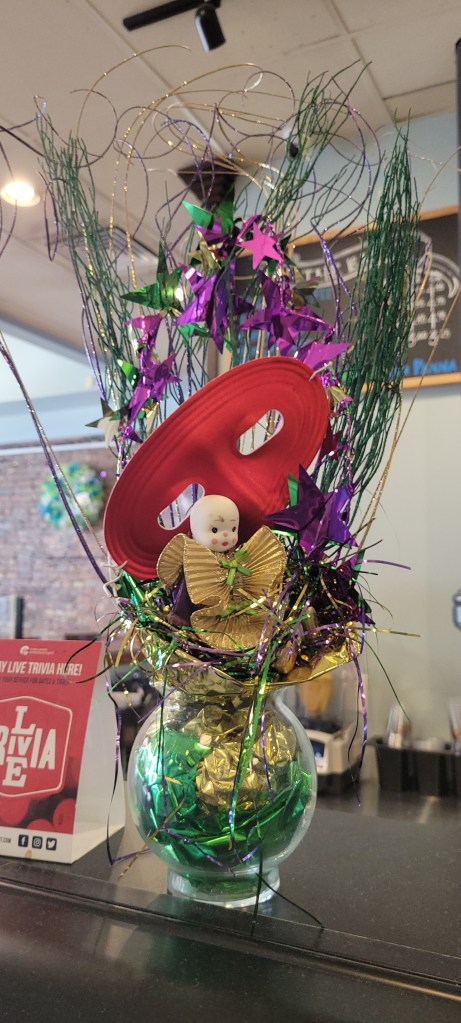
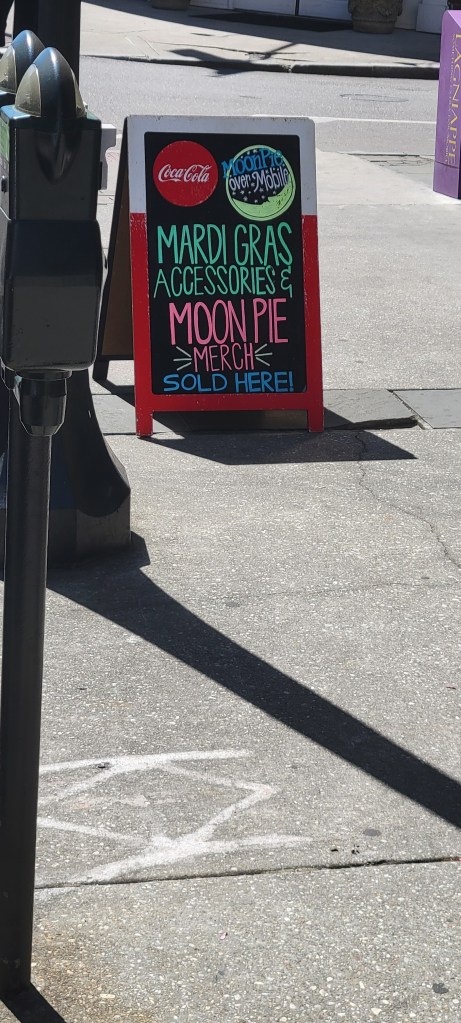

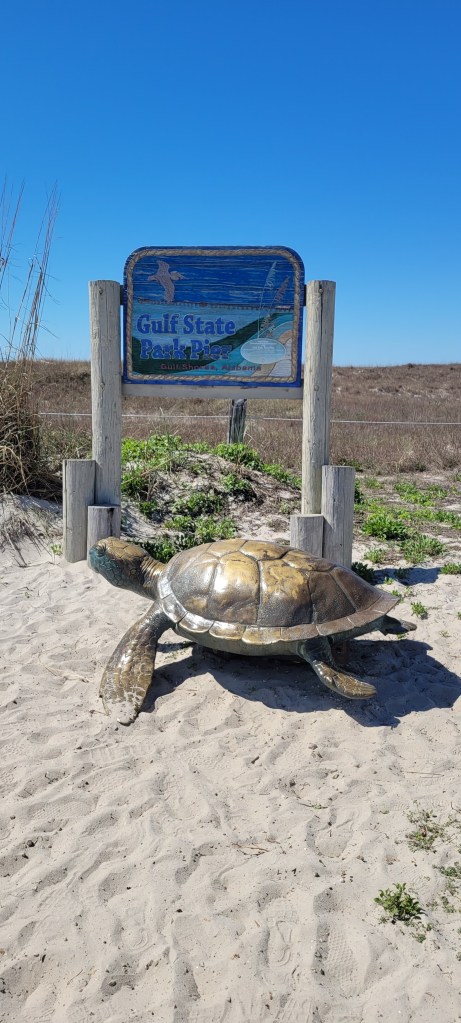
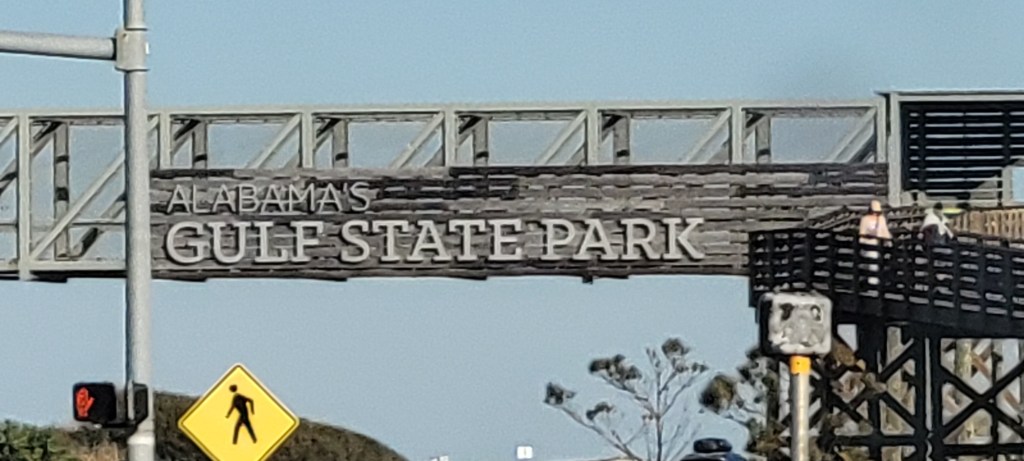
We made our way south for our next stop at Gulf Shores State Park without a reservation for a campsite. We quickly found out that the time for visiting the Alabama Gulf Coast had apparently just started and would stay jam-packed for the rest of the season for months to come. We counted ourselves lucky that, in a campsite set up with almost 500 campsites, there were 2 or 3 available for one single night, and that night only. By the next night, the campsite would be completely full. We only needed one night. We quickly got a sense that Alabama State Parks might be among the most well infrastructured and tended of any we’d yet seen, at least this one that is probably one of their most popular destination spots. That is saying nothing about all of the wonderful state parks we’ve been to – it is only to elevate how impressed we were with this one. Not only had we rarely seen one so massive with so many campsites, but the facilities were all top notch. We had never, yet, encountered a state park with a heated swimming pool, for example. Julie was excited to get her swim and bike in Alabama out of the way on day 2 in the state. Though it is always nice to swim in natural waters, Julie eagerly hopped into that heated swimming pool and felt she was having a sufficiently Alabaman experience.
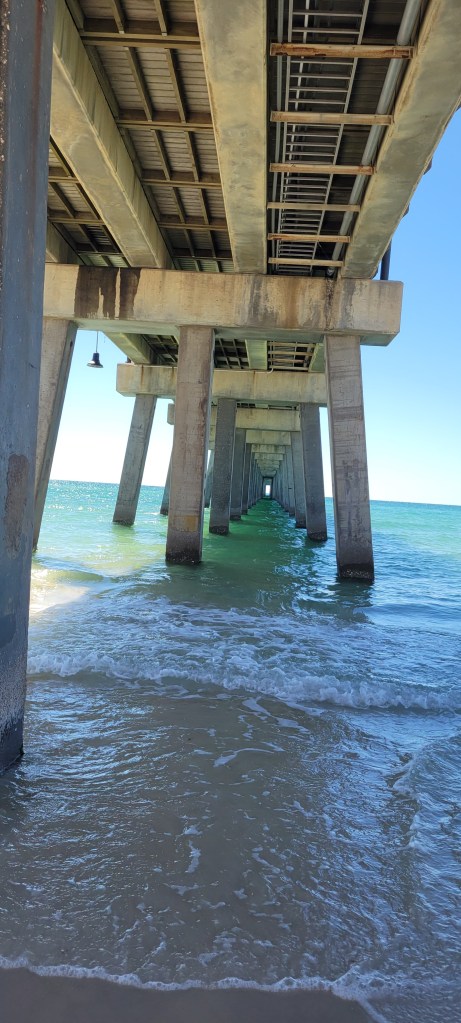
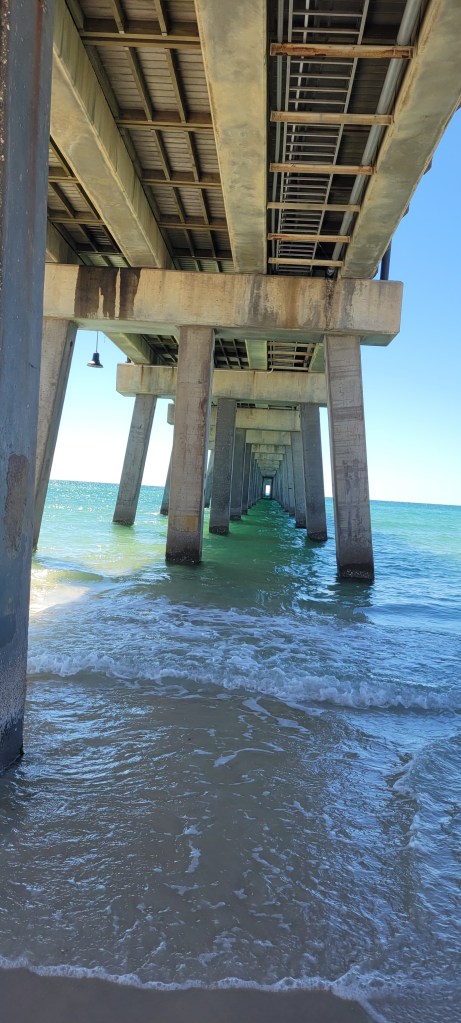
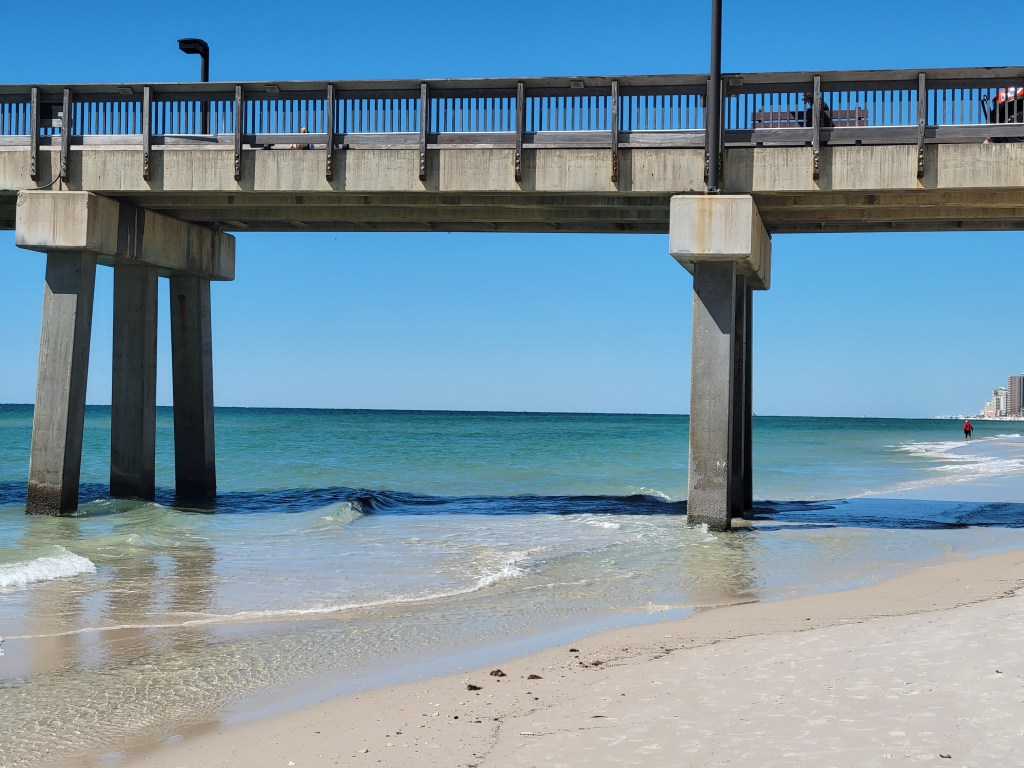
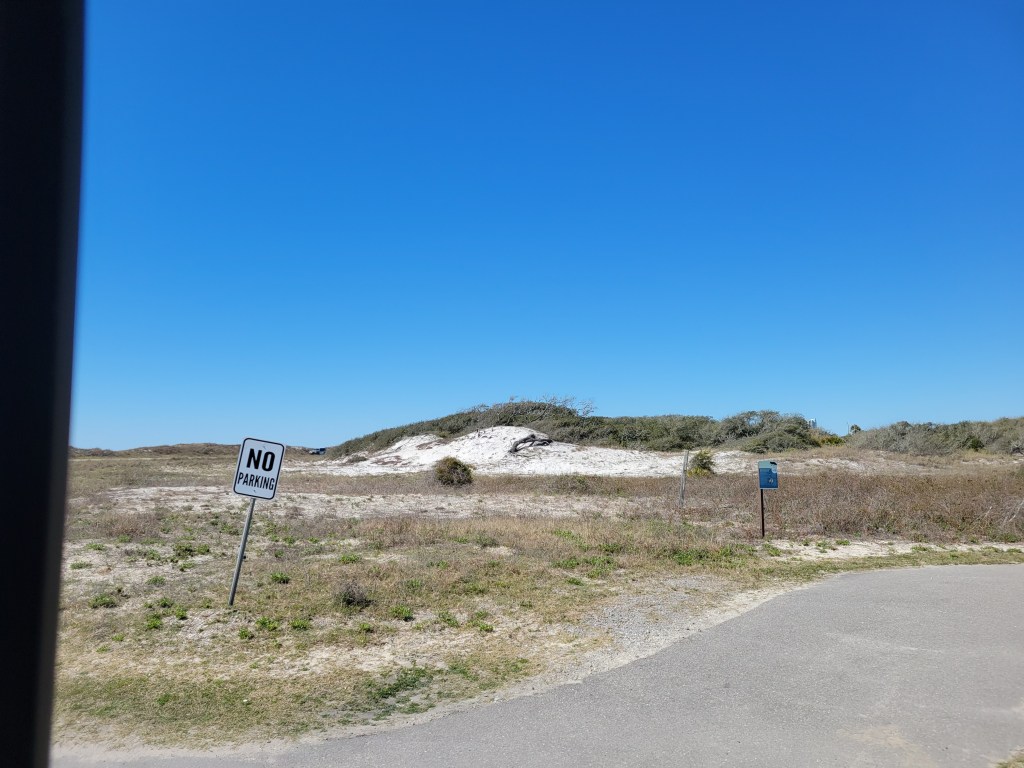
Our next stop, on our way out of town was to the shores themselves that Gulf Shores was named after. We had little time, but Julie insisted we make the stop as one of her goals was to put her feet in the ocean in every state that touches it – we are counting the Gulf as the Ocean. Boy were we glad when we did. Never before, had we seen a beach that was this pristine and with waters of this color outside of the tropics. While Julie didn’t go all the way for a swim in it, she got herself in way past just her feet. If “don’t want to leave yet” was ever true on this trip, it was so on the shores of Gulf Shore State Park.
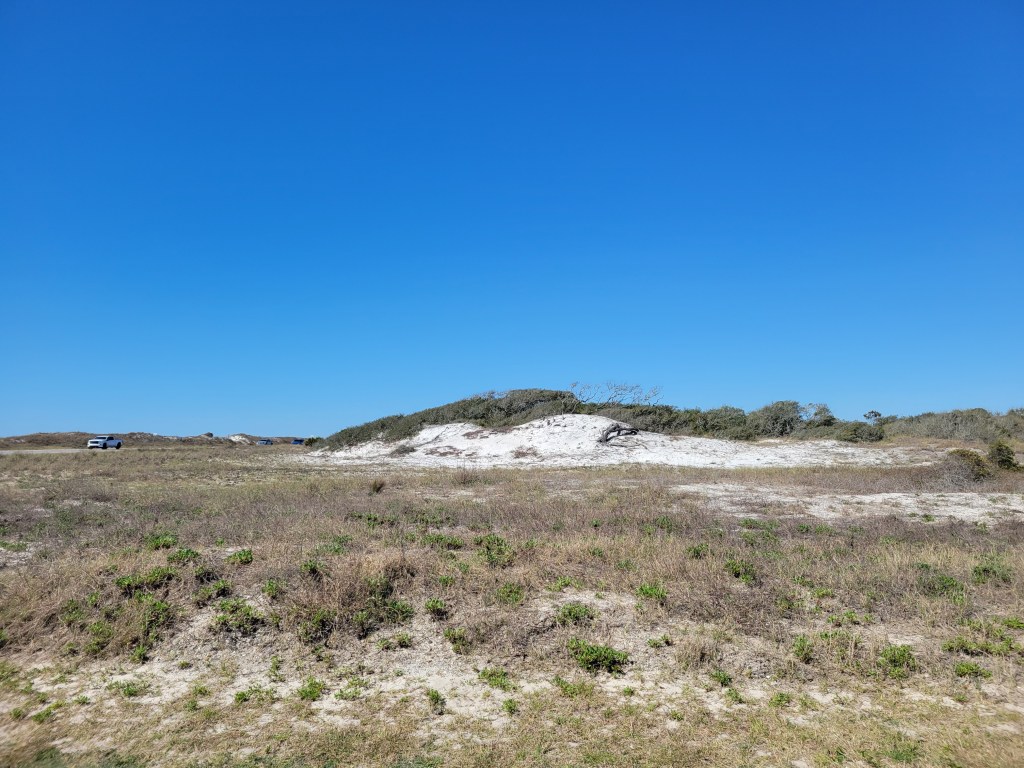
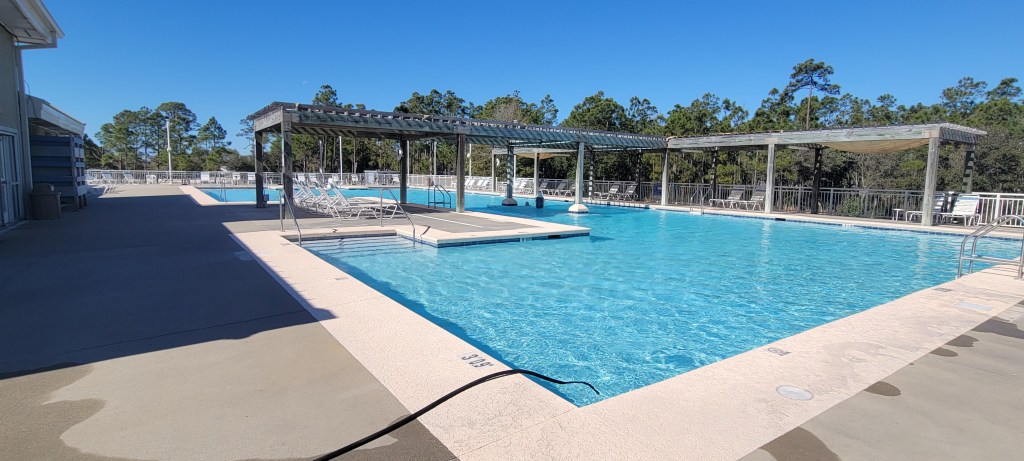

However, we knew there was still plenty of Alabama left to see and only so much to do it in, so we counted ourselves lucky for the time we had here and began our trek north.
We had a little bit of itinerary complication in our next stop. We needed to make it to Montgomery that afternoon in order to see the inside of the capitol. It was Friday and the Alabama statehouse is not open on weekends. At the same time, we knew we wanted to visit Selma with enough time to return to Montgomery to take in the rest of the sites we wanted to see there, before heading further east for our Sunday morning 5K on the campus of Auburn University, an hour east of Montgomery.


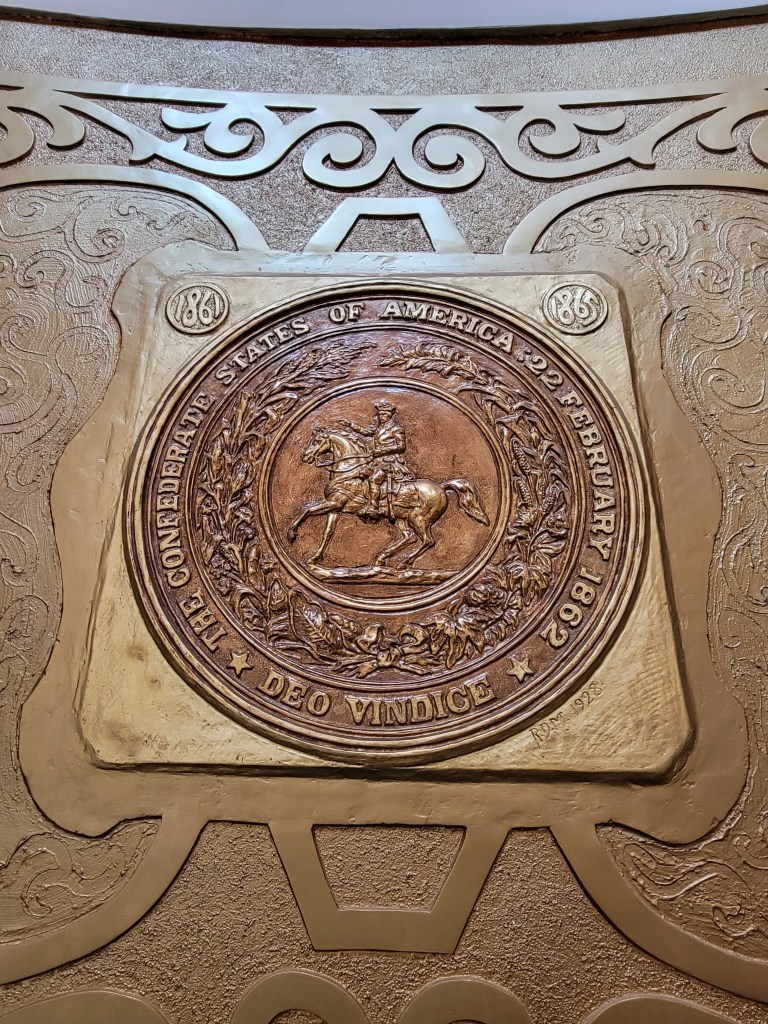
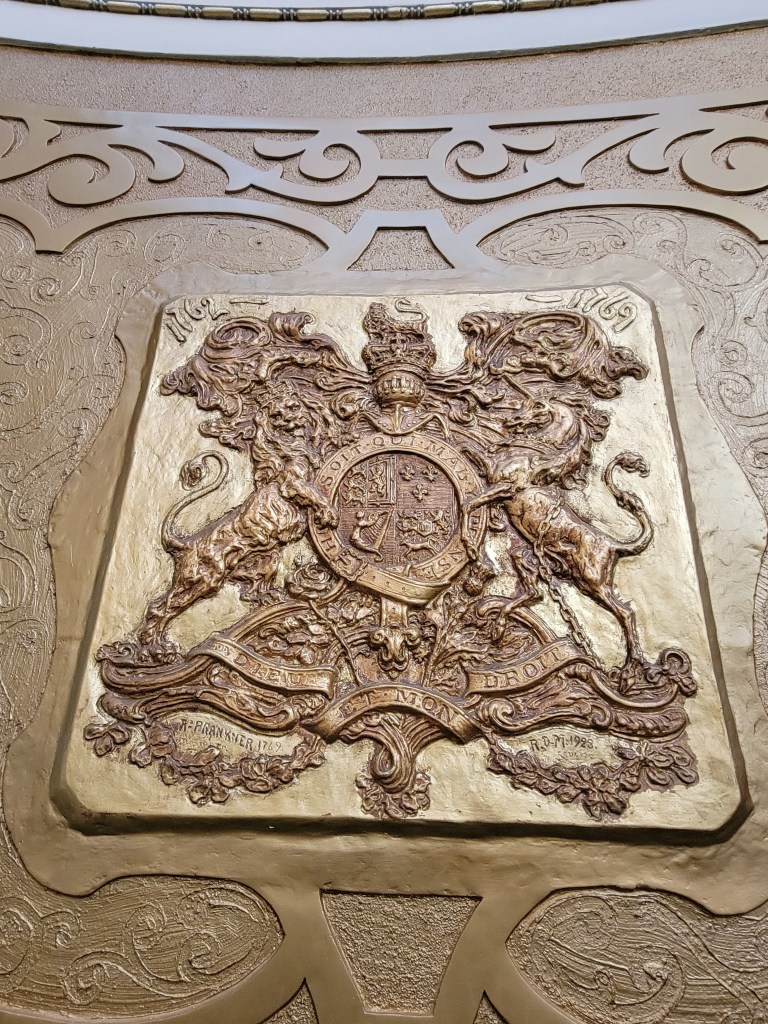
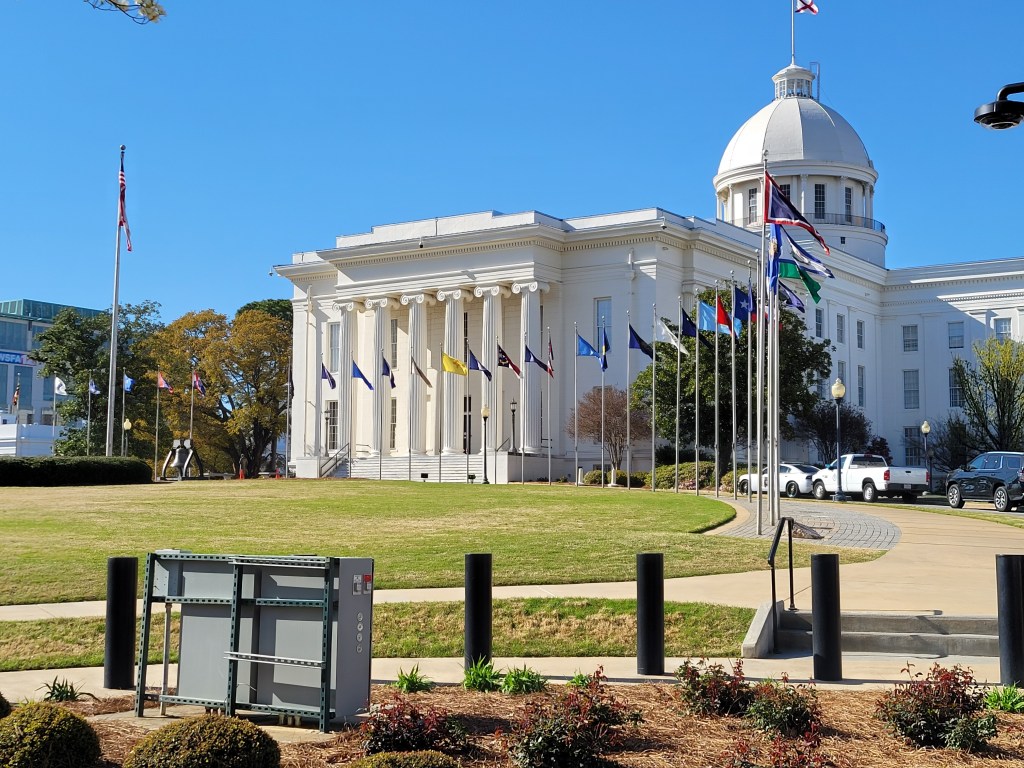
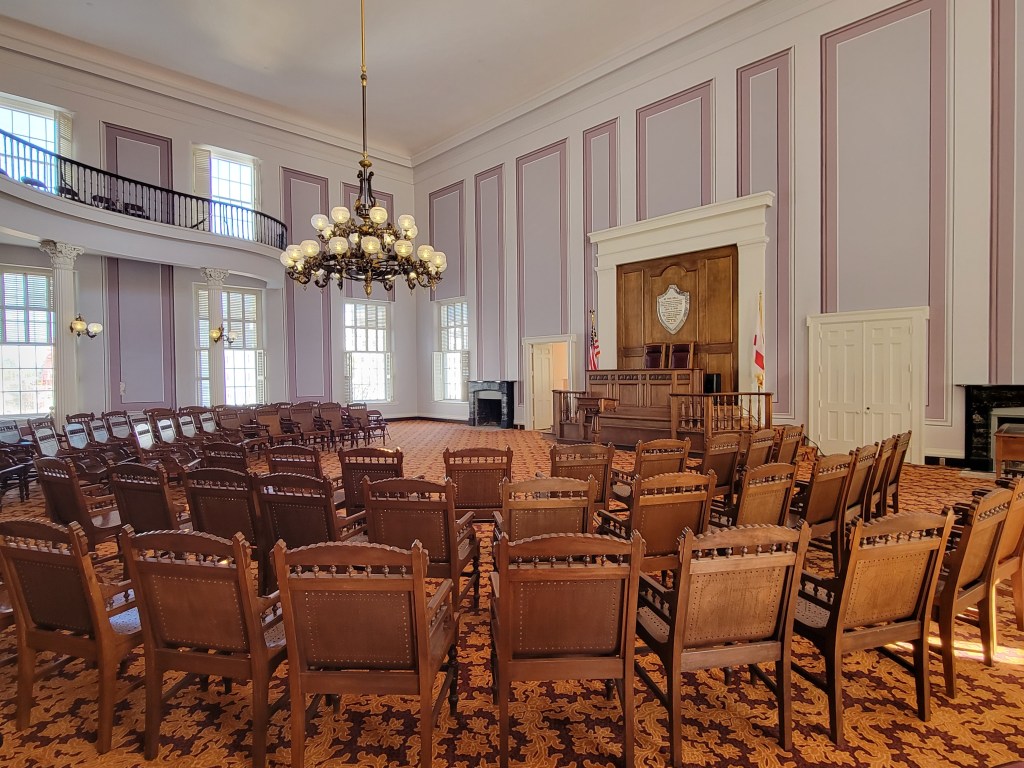
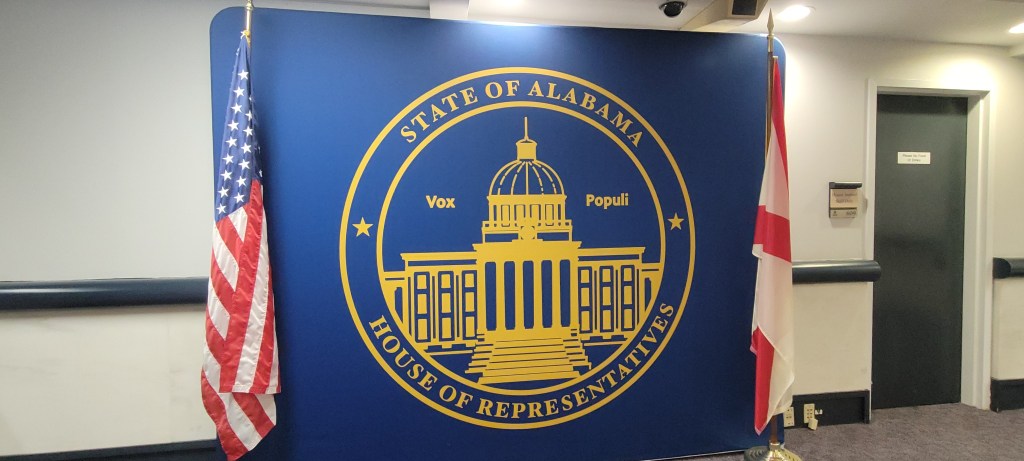
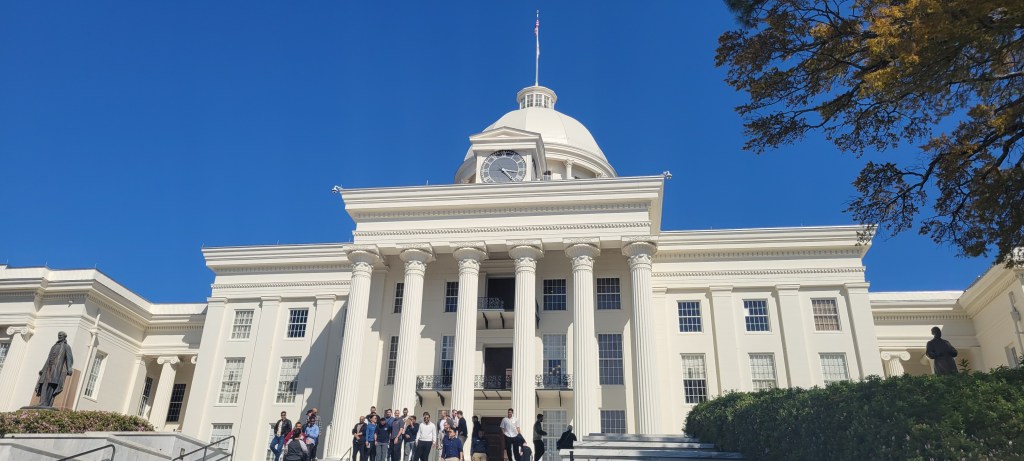
After our capitol visit, we made our way to Selma that evening, not realizing the significance of the date upon which we arrived in and first crossed the famous Edmund Pettus Bridge.
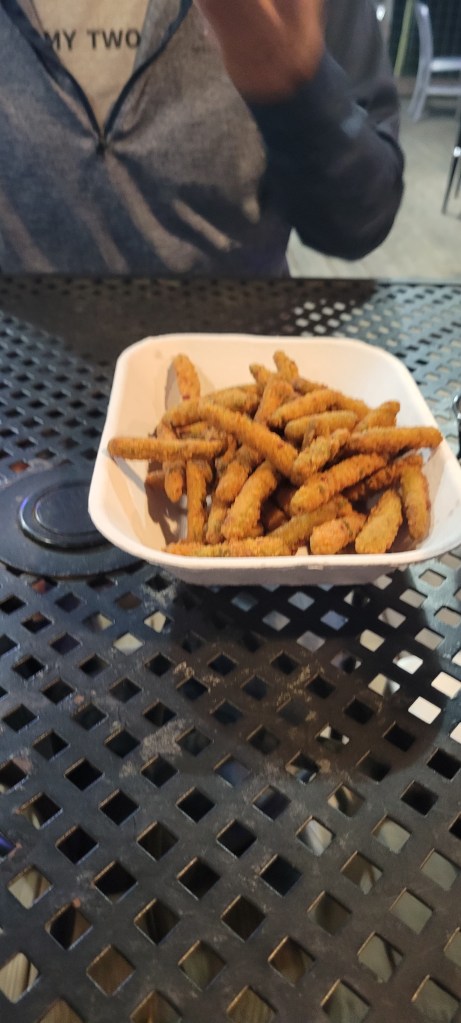
We headed over to the Sandbar Restaurant for some Alabama dinner. Julie had catfish. Ryan partook of the deep-fried green beans. During dinner, we went to go register for our Sunday morning 5K in Auburn, planning to have dinner and visit Selma in the morning. When we went to go register for our Sunday race, we realized that the registration deadline had passed. Many races allow walk-in registrations or last minute registrations. This one didn’t. We emailed the race organizer and explained our scenario. If we weren’t able to do this race, we’d need to wake up very early to drive back to Montgomery for an early morning race, meaning our trip to Selma would have already been over before it really began. We would go to sleep that night uncertain of what the next few days would hold while we awaited a return email with fingers crossed.

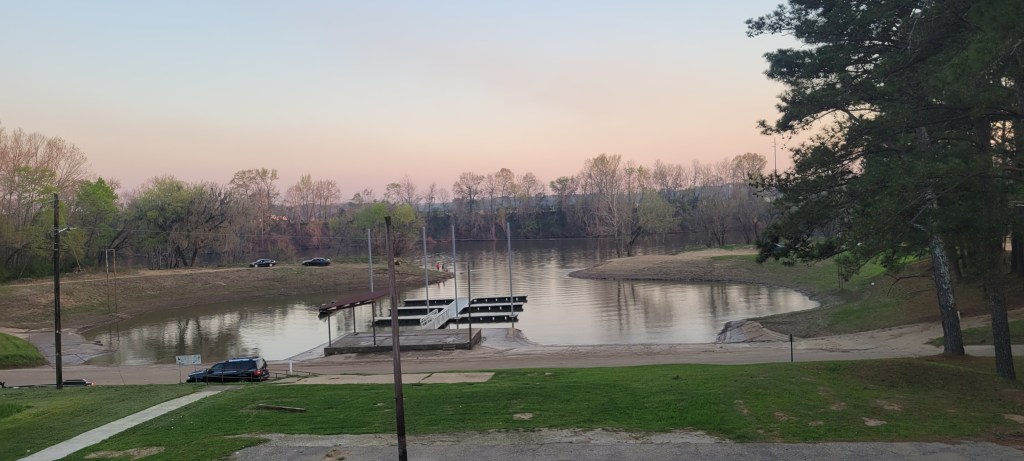
We had read on iOverlander that the parking lot at the Sandbar was a good place to park for the night with not many available spots in the Selma region. We asked our waiter if their parking lot was an okay place to park in, and if it was safe.
“Yea, you should be safe here.” he said, using language that never quite inspires full confidence. “We got broke into a few weeks ago, but other than that, there are no issues.”
The proprietor of the establishment made an impression on us when, minutes later, she came out to our table just to make it clear that we were most welcome to park there and that, if we park close in to the restaurant once they are closed, we’ll be in sight of the security cameras and that she would surely keep an eye on us. We definitely felt that famous southern hospitality wash over us. Not to mention, the food was delicious.
We woke up safely and soundly the next morning in the Sandbar parking lot prepared to, sadly, hit the road and miss this very special visit to Selma. Fortunately, there was a kind and welcoming email in our inbox. Emily, the race organizer had graciously made an exception for us. This was our second experience of hospitality and kindness in less than 24 hours.
We made our way over to the main drag in Selma and, on our way, stopped by the World War II memorial. This was our first place of seeing the direct evidence of the Double Victory that black communities referenced during the second world war. The World War II monuments here in Selma had separated out the names by race.

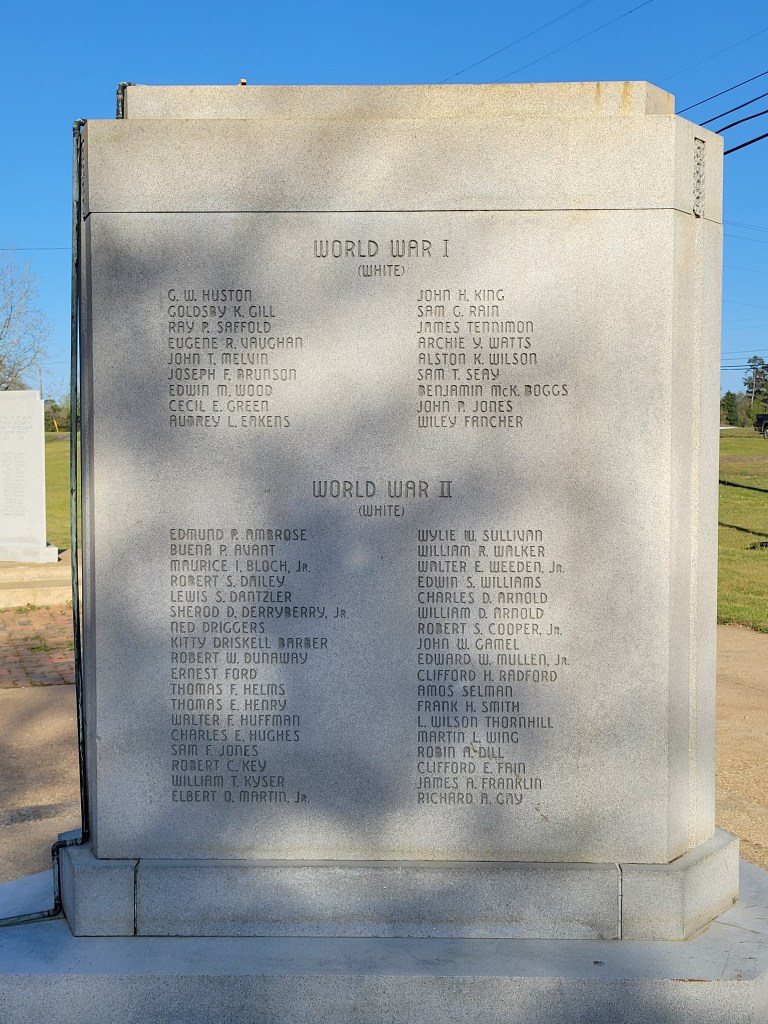
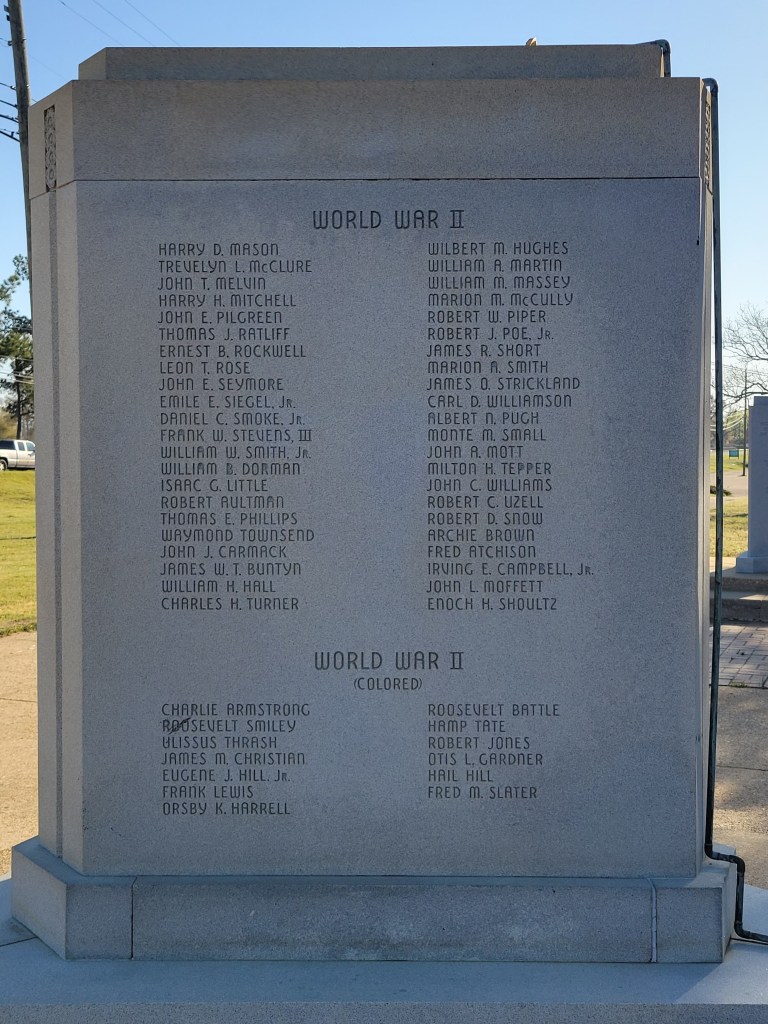

We made our way to the main drag of Selma. The National Park Service interpretive center and the Voting Rights Museum were both under some kind of renovation and closed. But, it was only when we stepped to the foot of the famous bridge, preparing to walk over it in remembrance, that we realized the importance of the date we had arrived in town. We knew of the history that had happened here, at least the broad strokes of it, but we didn’t realize that the march that began in Selma and made its way all the way to Montgomery 54 miles away had begun the day before and 60 years prior, when we had been rolling into town. It definitely lent an extra special something to be there at that time.
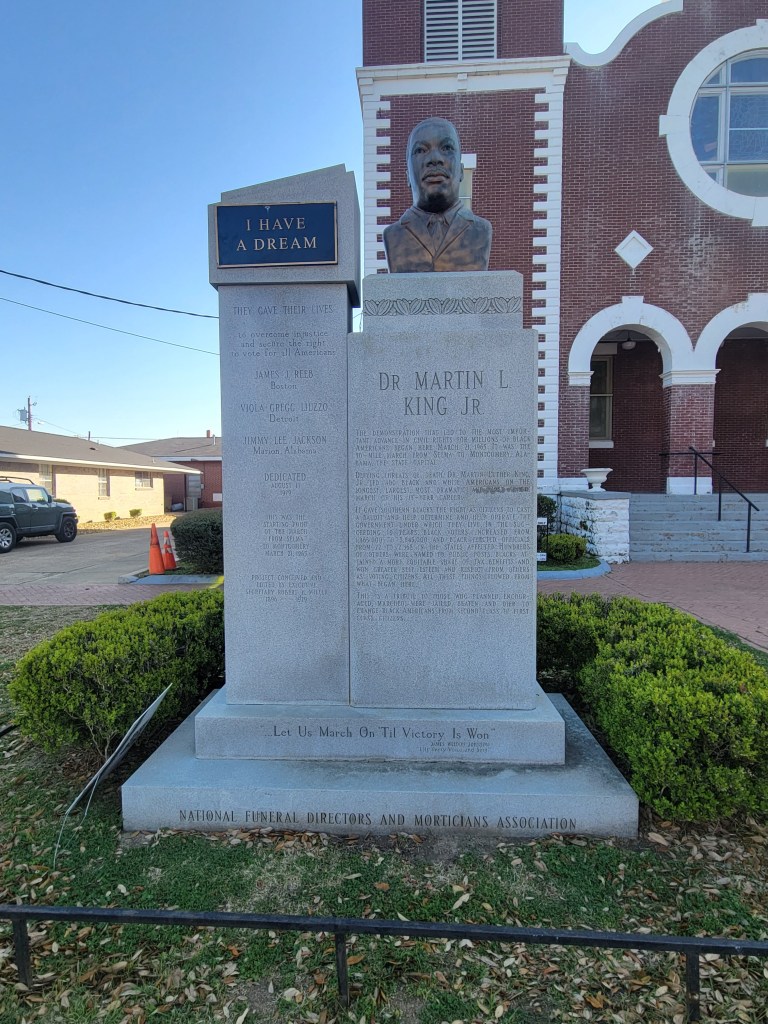
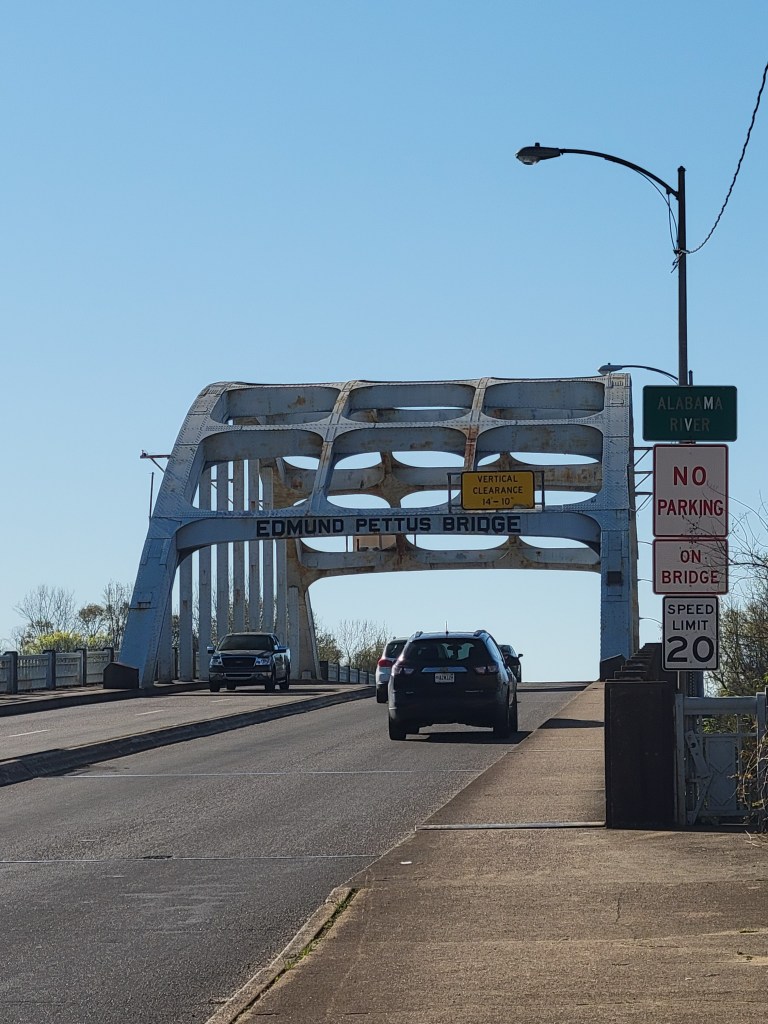
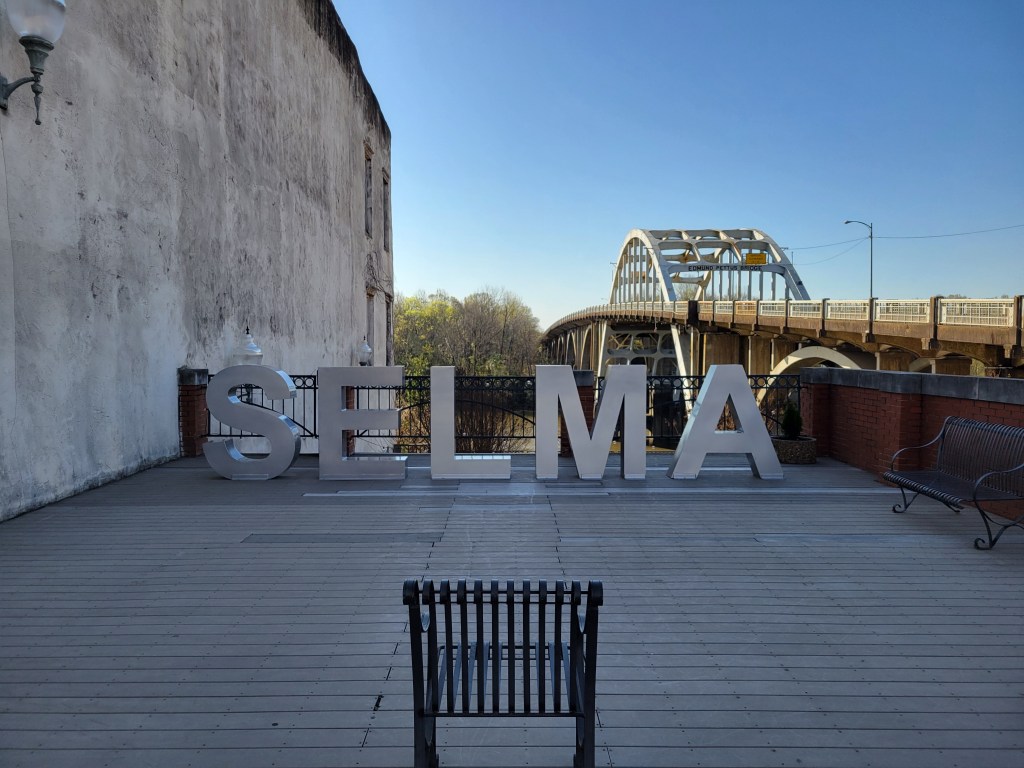
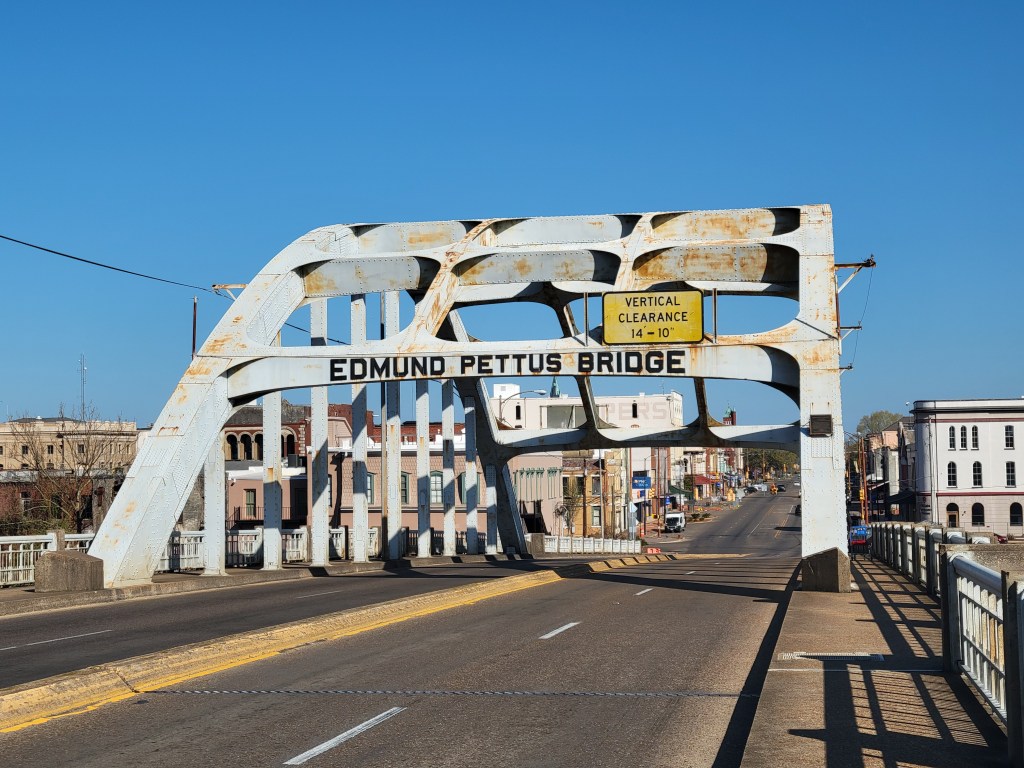
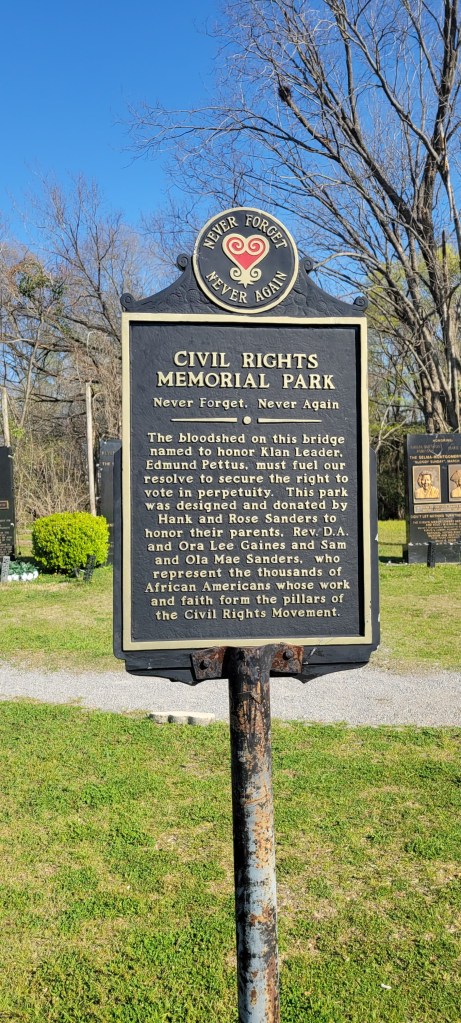
We read the history at the base of the bridge and walked across it to the memorial park that lay at the base of it on the other side. It was hard to imagine what had taken place there so many decades before. We passed another couple paying their respects with a walk back and forth across the bridge. We nodded to each other and remarked a bit upon the history we were all there to acknowledge. They were older than us, by a couple of decades perhaps and we wondered what their memories of the events were.
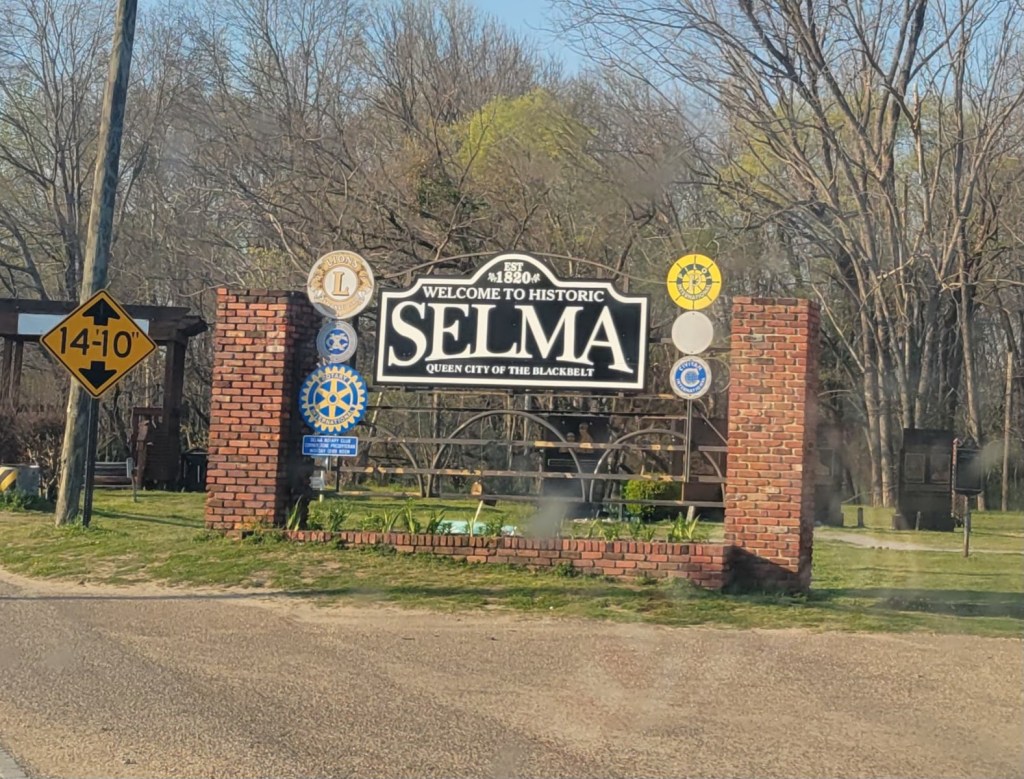
We were struck by the visible challenges of Selma from the look of the businesses and buildings. We have been on this trip long enough to know that the way a town looks, while maybe giving some hints, is not enough to tell you about what is or is not happening there. We learned from a barista, on our way out of town that some of what we were witnessing was destruction from weather events that had torn through the town a few years prior and were still being recovered from.
We set out to drive back to Montgomery on March 22nd. We stopped along the route at the National Park Service museum commemorating the march to Montgomery.
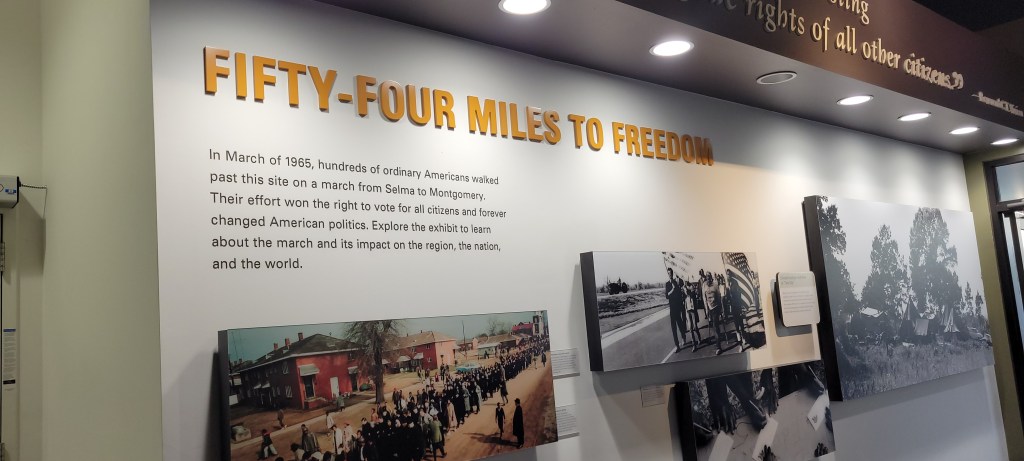

When we arrived in Montgomery, we took in the state museum and the Civil Rights Museum. Ryan encountered the marchers we had seen from the van the day before on the route between Selma and Montgomery. You can read about that in our People Along the Way section.
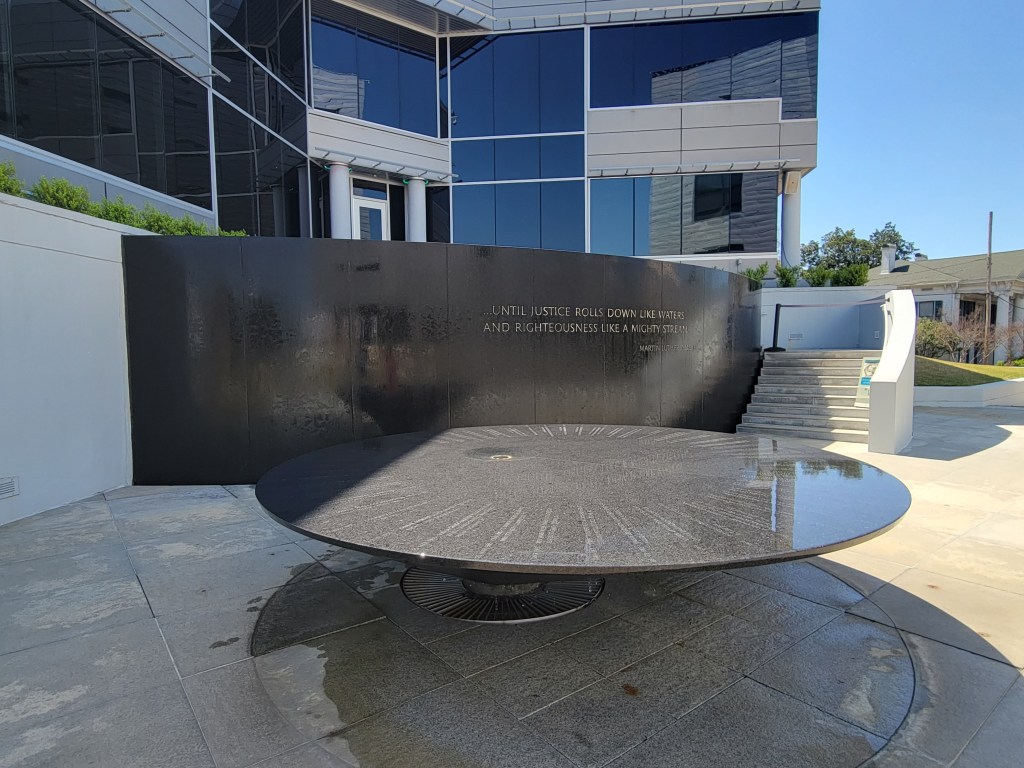
We drove through downtown Montgomery and made a quick stop at the Hank Williams Museum and statue in homage to the country music legend that left this world at the tender young age of 30. We saw the statue honoring Rosa Parks. We visited the National Memorial for Peace and Justice and walked the sobering paths through a profound monument to the thousands of brutal lynchings that took place throughout the 20th century, with no justice doled out. We were surprised to see the last one taking place in the 1980s.
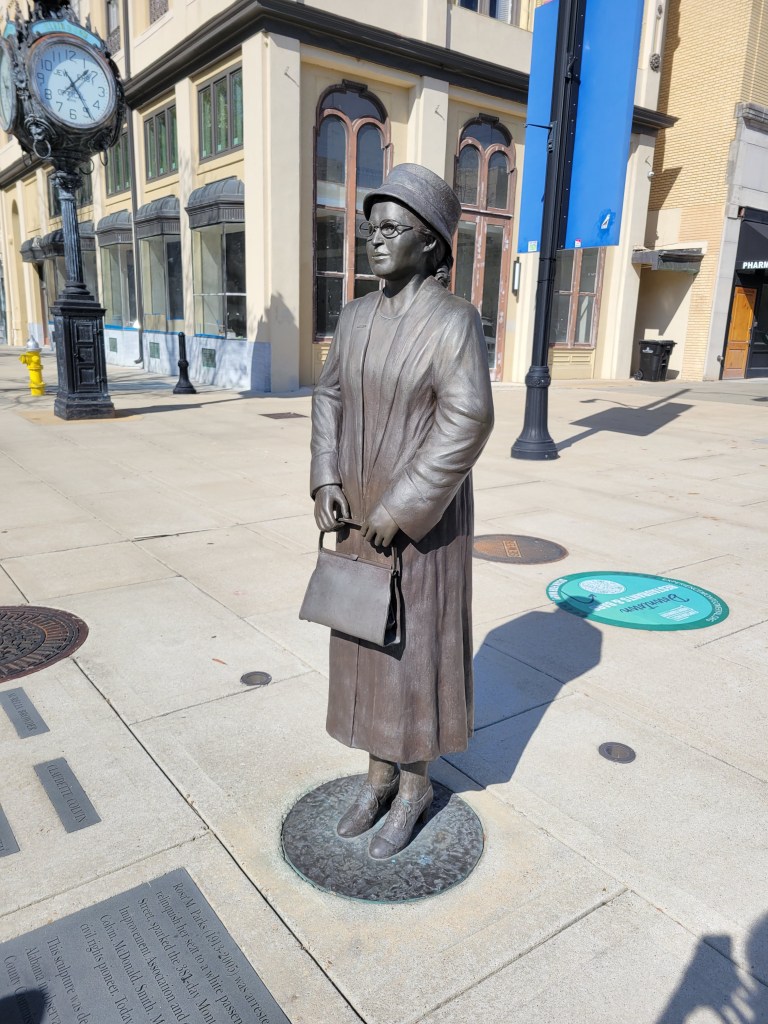
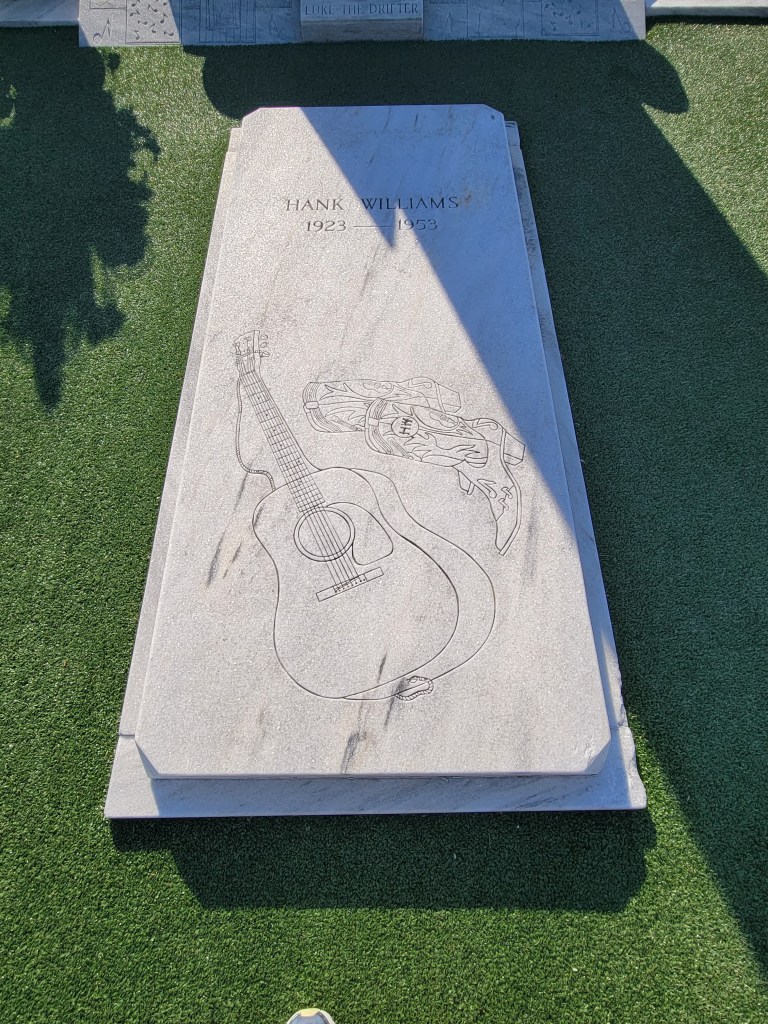
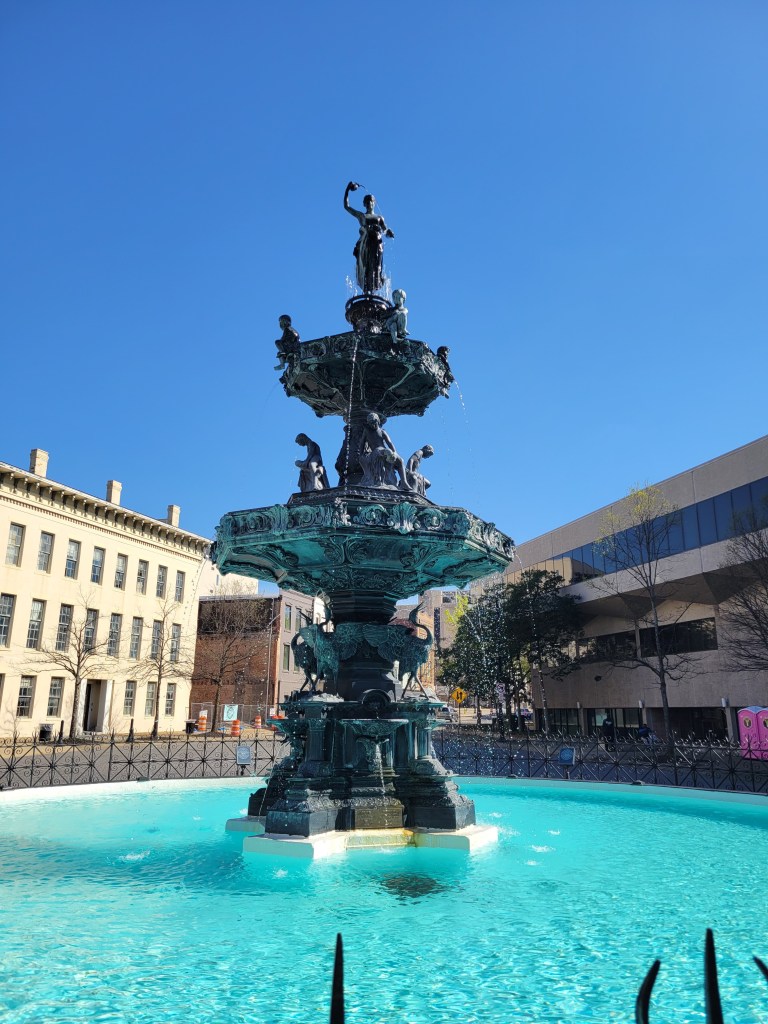
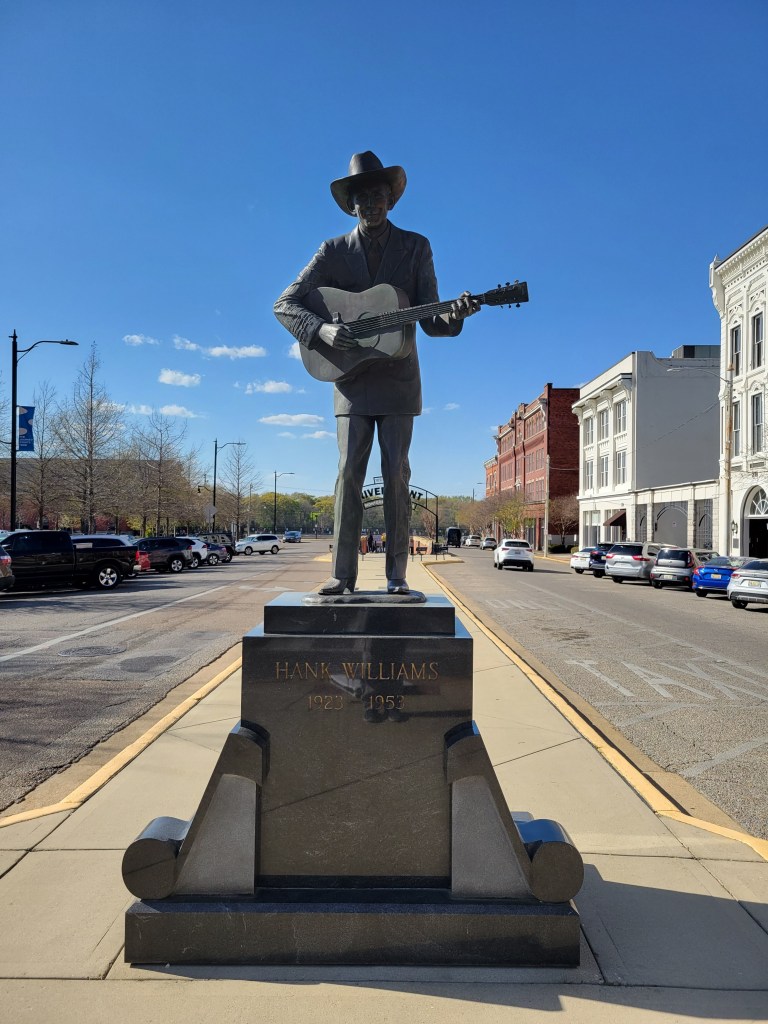

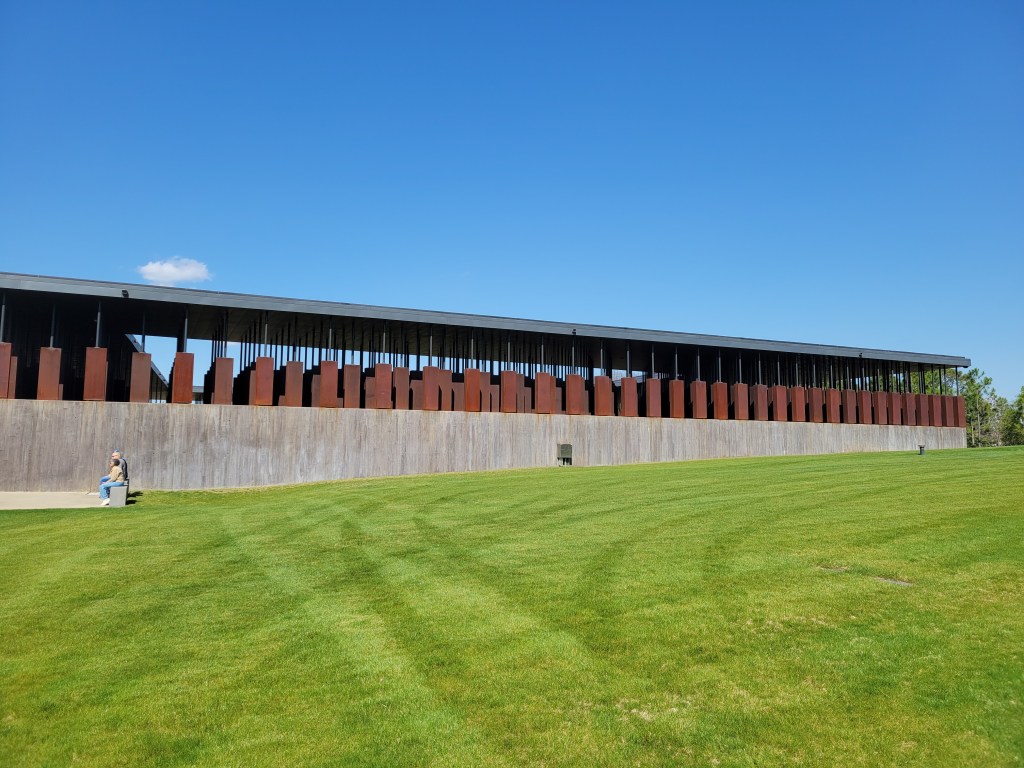
We finished our day driving the hour east towards Auburn University for our 5K the next morning that we were so grateful to be welcome to participate in.
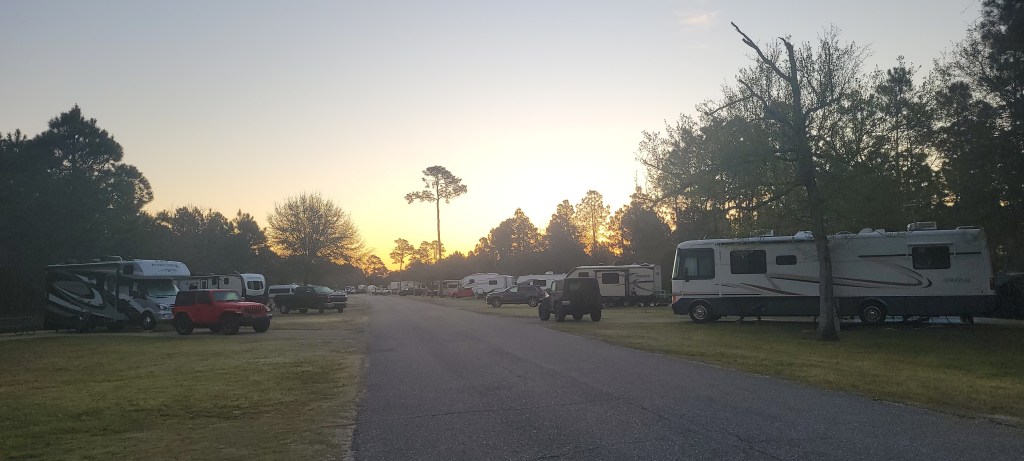
We spent the night at an RV park, parked right outside a small creek. As the noise of flowing water filled the van, we had reminscince of the serene and never-ending sounds of running water that we are lullabyed to at home in our house by the creek.
For those of that read our Mississippi People Along the Way post entitled, Mr. Milchik, you’ll want to know that, while making dinner that evening, Julie caught herself up on the season finale of season 2.
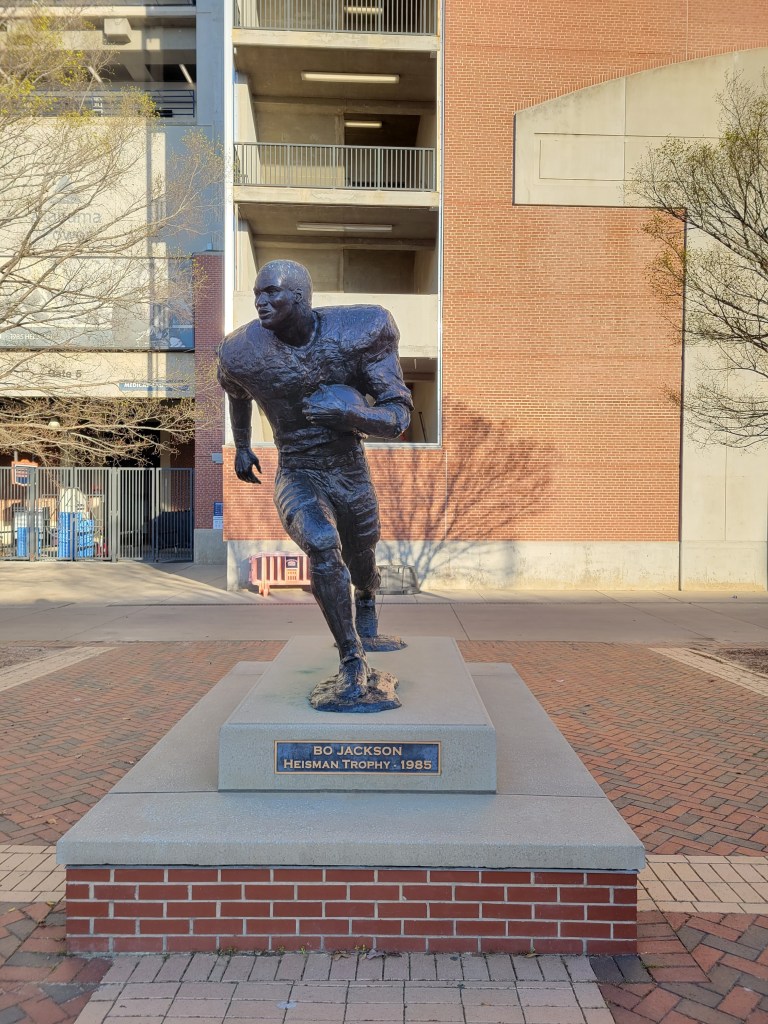

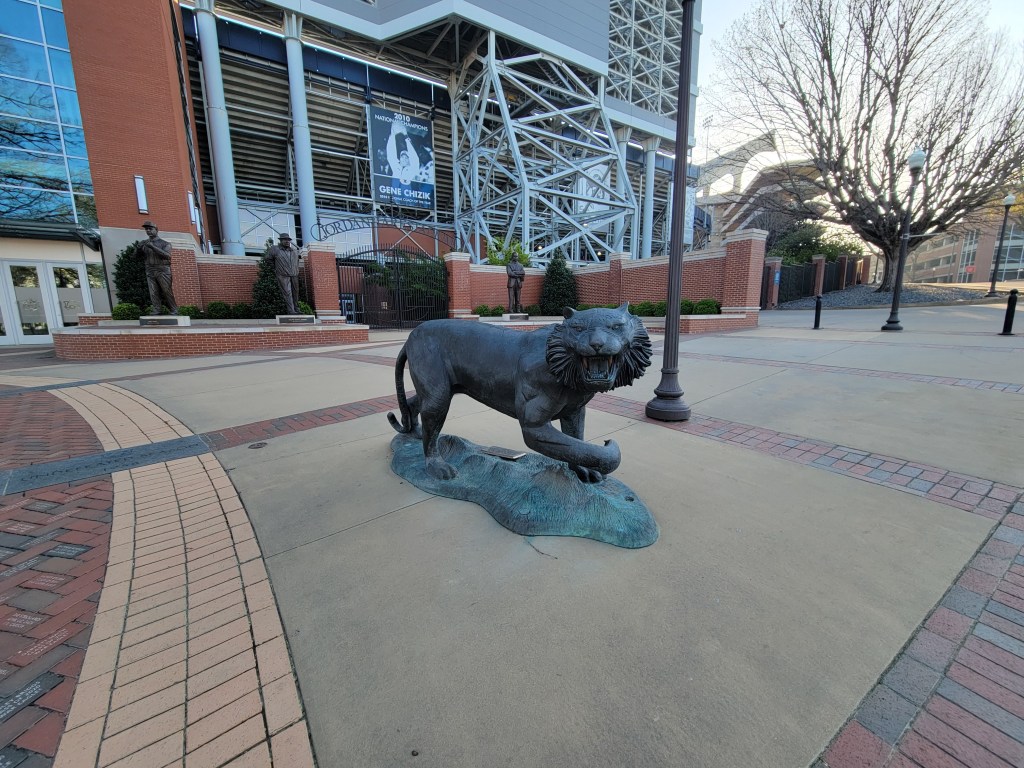
In the morning, we made our way to the sprawling, impressive and fairly quiet campus of Auburn University. We had a great time running our 5K. You can read about it in our 5K section. We enjoyed walking and driving through the storied campus and, afterwards, made our way into the town of Auburn. It was the perfect sunny day and we saw a line of people waiting to get into a local brunch spot. It was just the perfect day for a brunch. We grabbed a great parking spot and partook of some delicious breakfast at Staks, right in the village of Auburn.

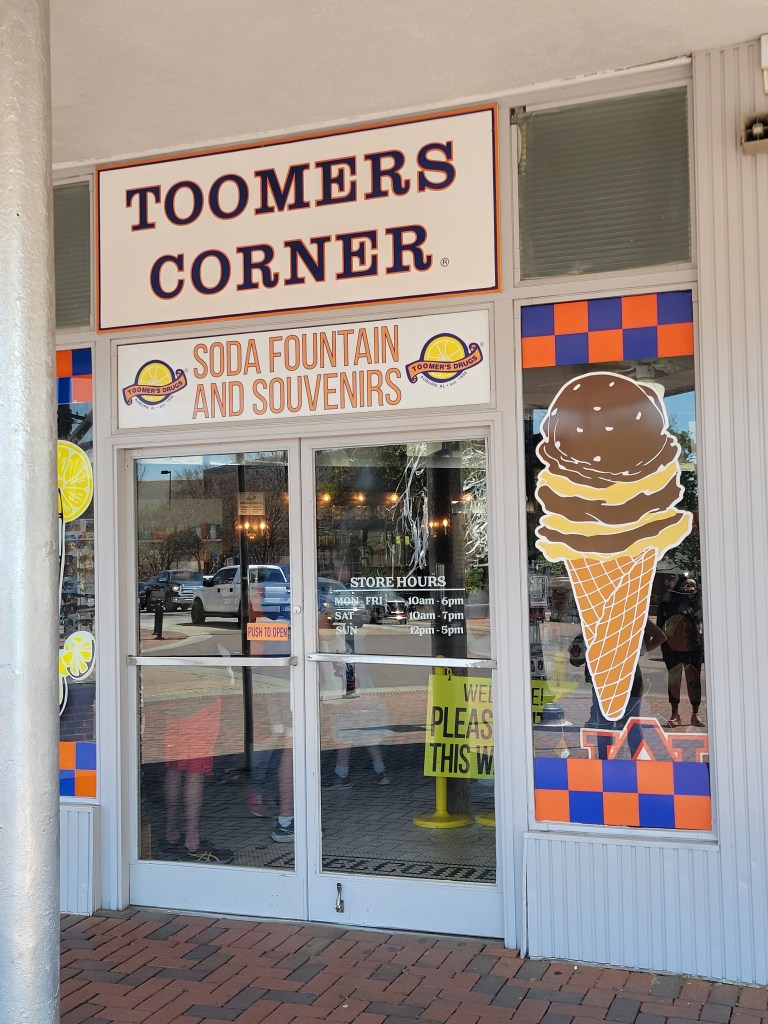
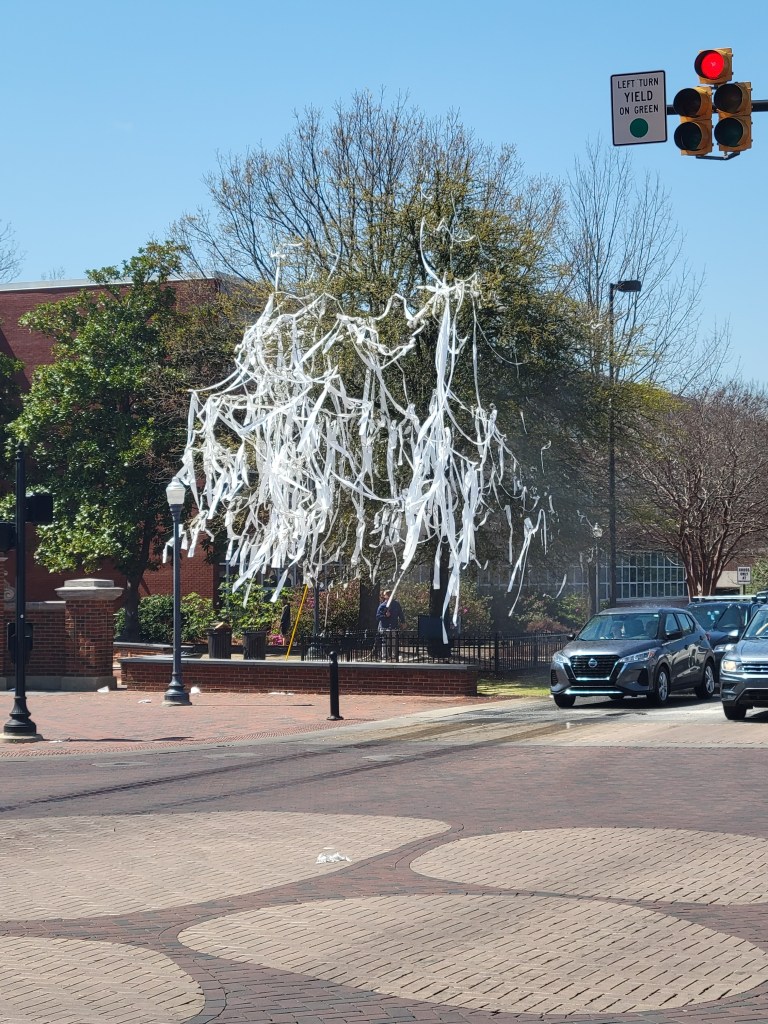
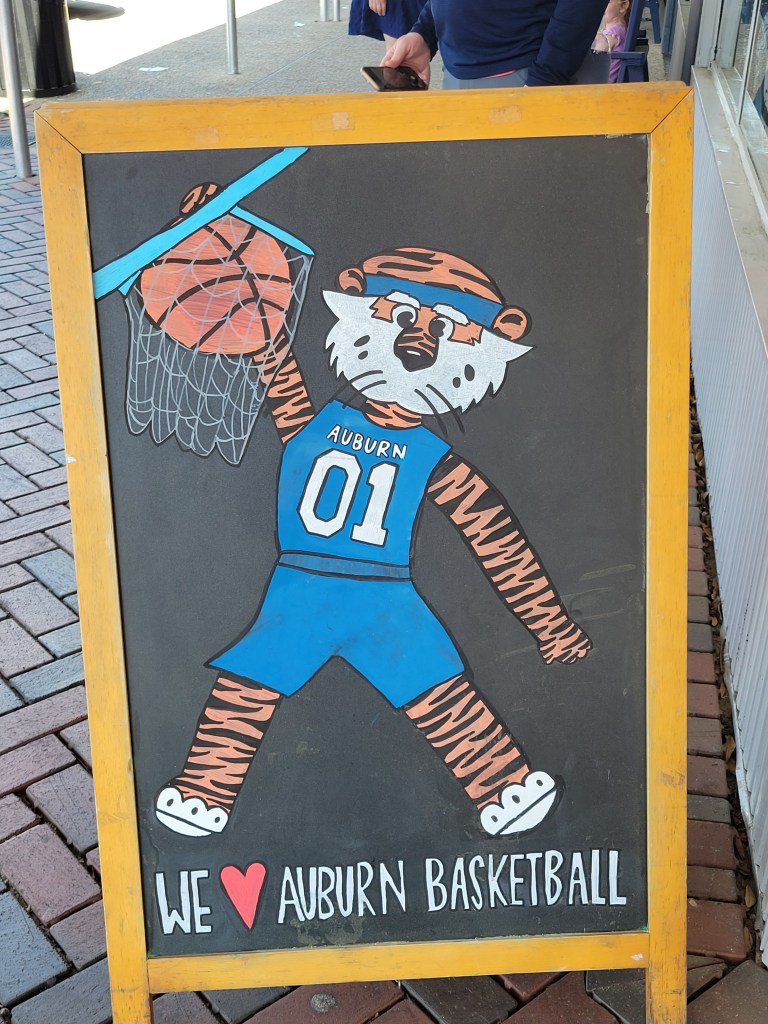
We had decided to make Sunday a day for hanging out in place catching up on cleaning and organizing tasks. In the van, if one piece of the organization gets out of order, it can cause a ripple effect that makes keeping the van neat and clean challenging. By this point, we had accumulated a pile of race t-shirts that was having this ripple effect. It’s not easy to see how t-shirts have to do with books and small items cluttering up the windowsills and bags of groceries at the front of the van…but it does. We enjoyed a day at Chewacla State Park, resting, relaxing and catching up on all that had gotten out of control in our little home on wheels. It was delightful.
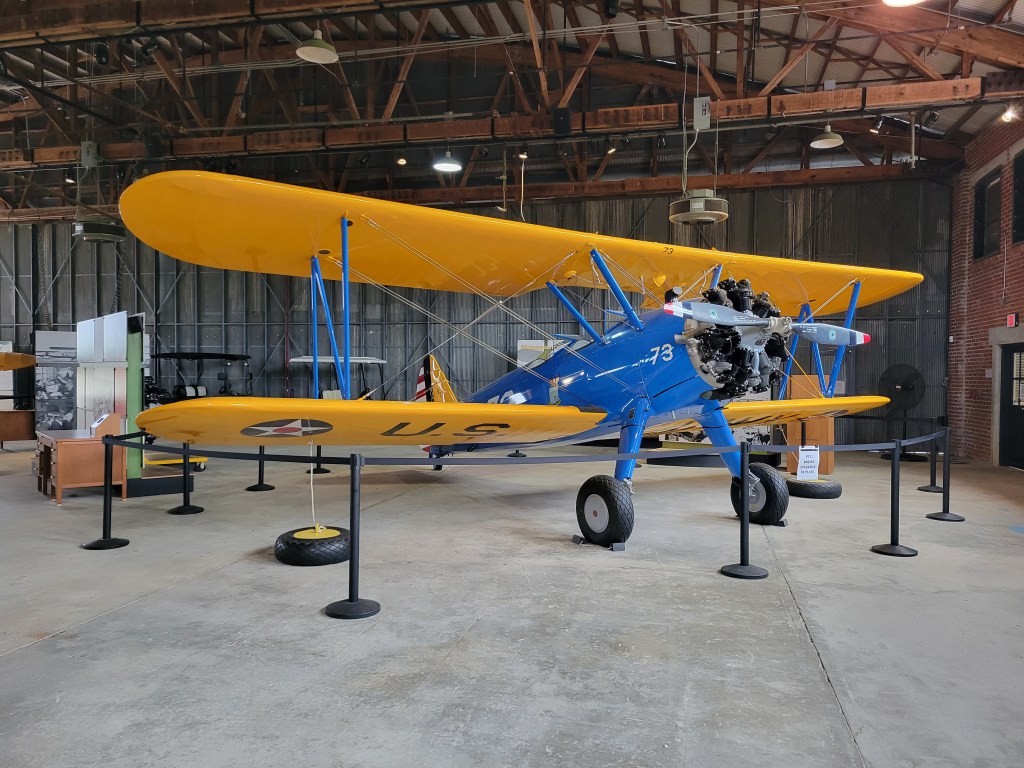
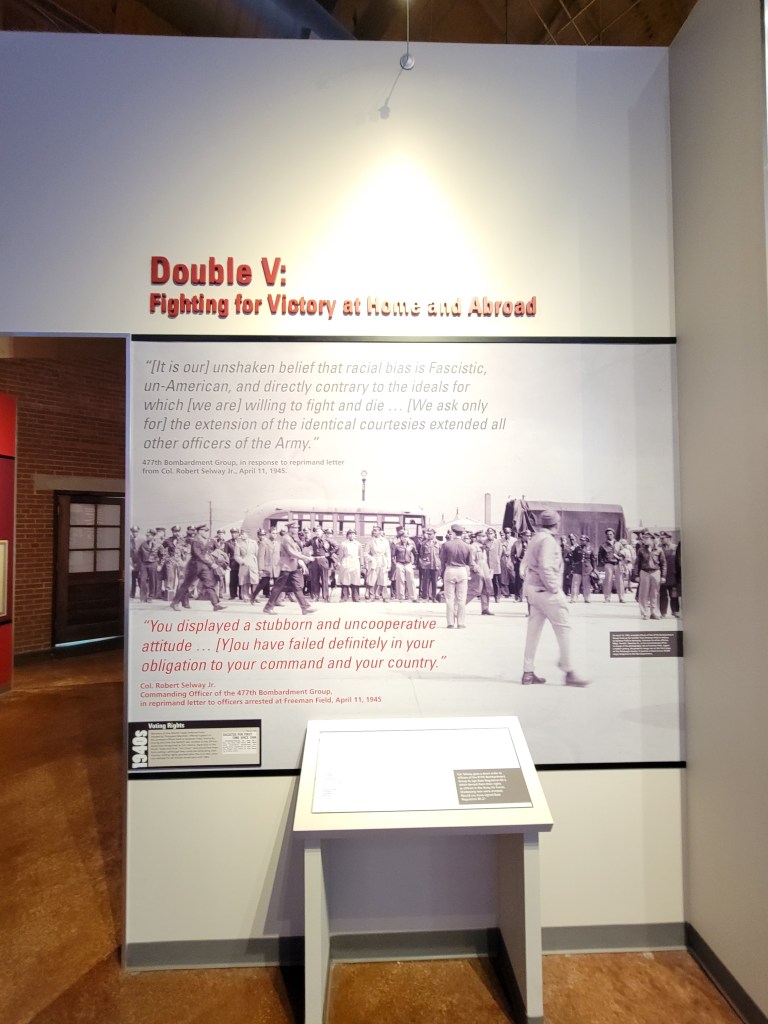
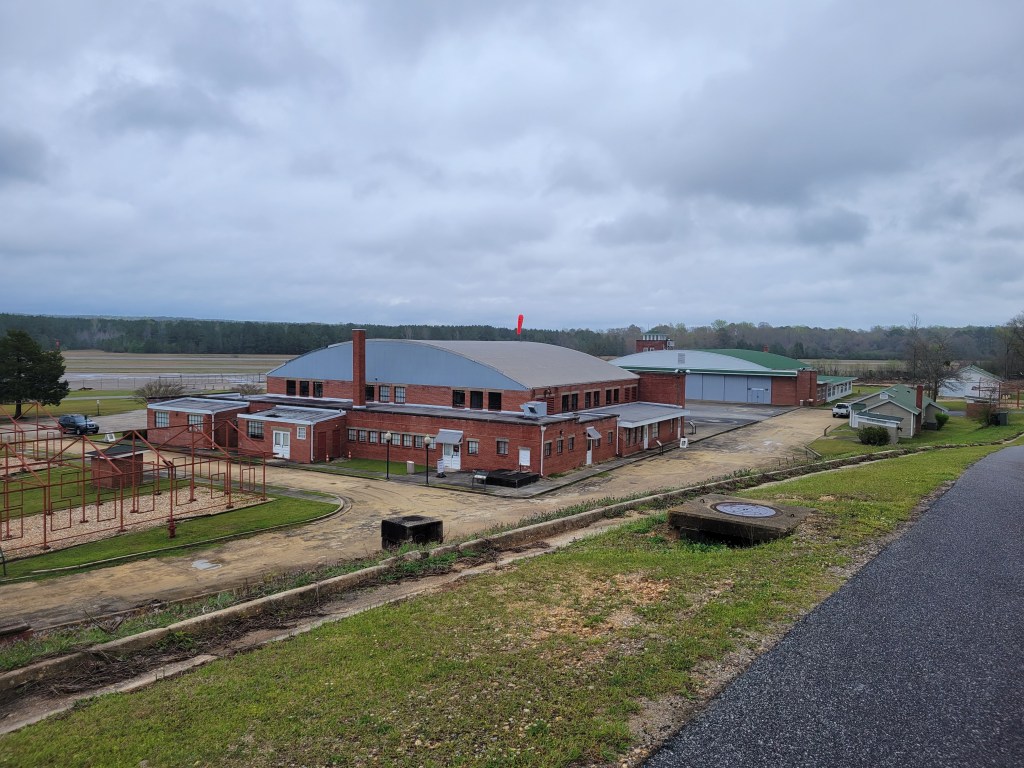
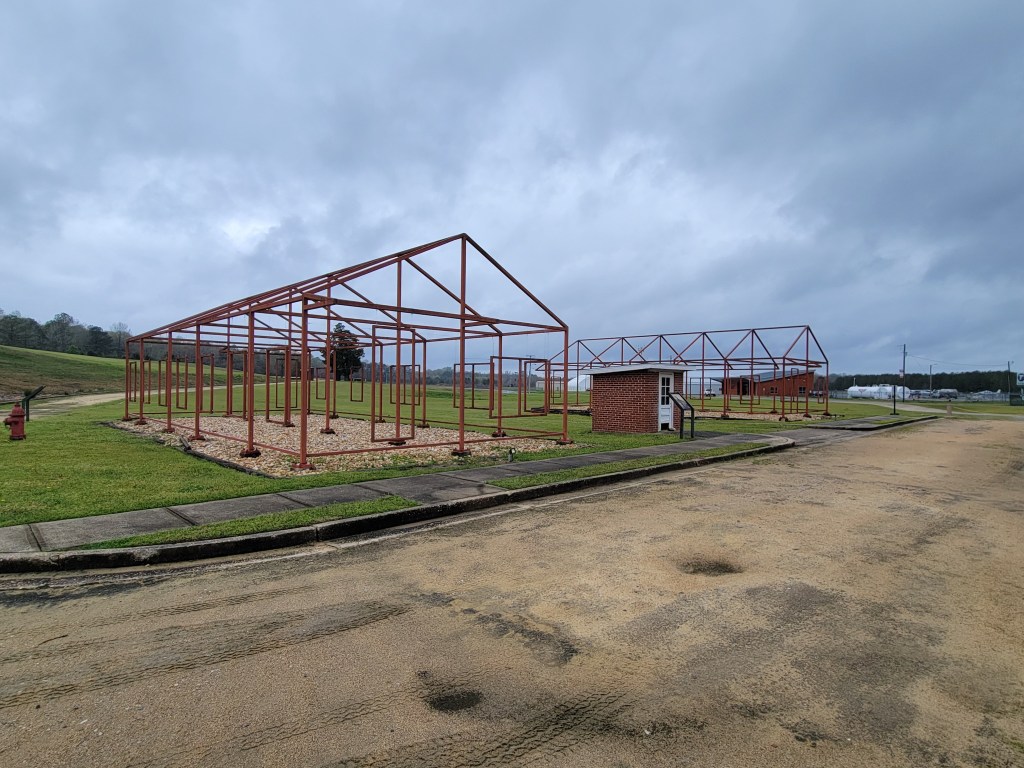
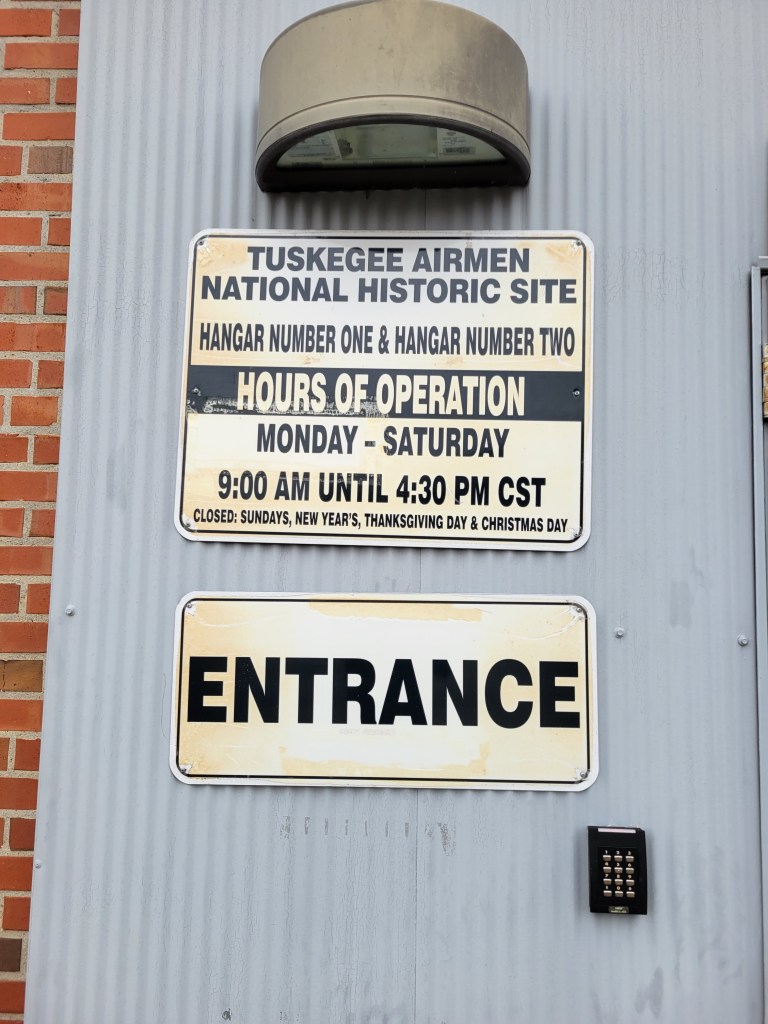
The next day, we started our day off with a visit to the Tuskegee Institute, where black pilots were trained in a country and in a state that didn’t recognize them as equal citizens, but they were still willing to risk their lives and go to war to defend and fight for their country, despite how their country treated them. It is an inspiring visit and a discouraging visit at the same time. Discouraging for the circumstances that led the inspirational behaviors to be called upon. But ultimately, the legacy is one of inspiration of the courage and bravery on display there. It was a neat place to get to see.
There was a sight that would add about 50 minutes of driving to our adventure “on our way” to Birmingham, but we couldn’t pass up the chance. The amount of lines we enjoying quoting from the movie who’s home base was so close, we just had to do it. As we drove through, we remembered the sage, though, mildly misled advice of Ricky Bobby, “If you’re not first, you’re last.” It was worth the extra driving.


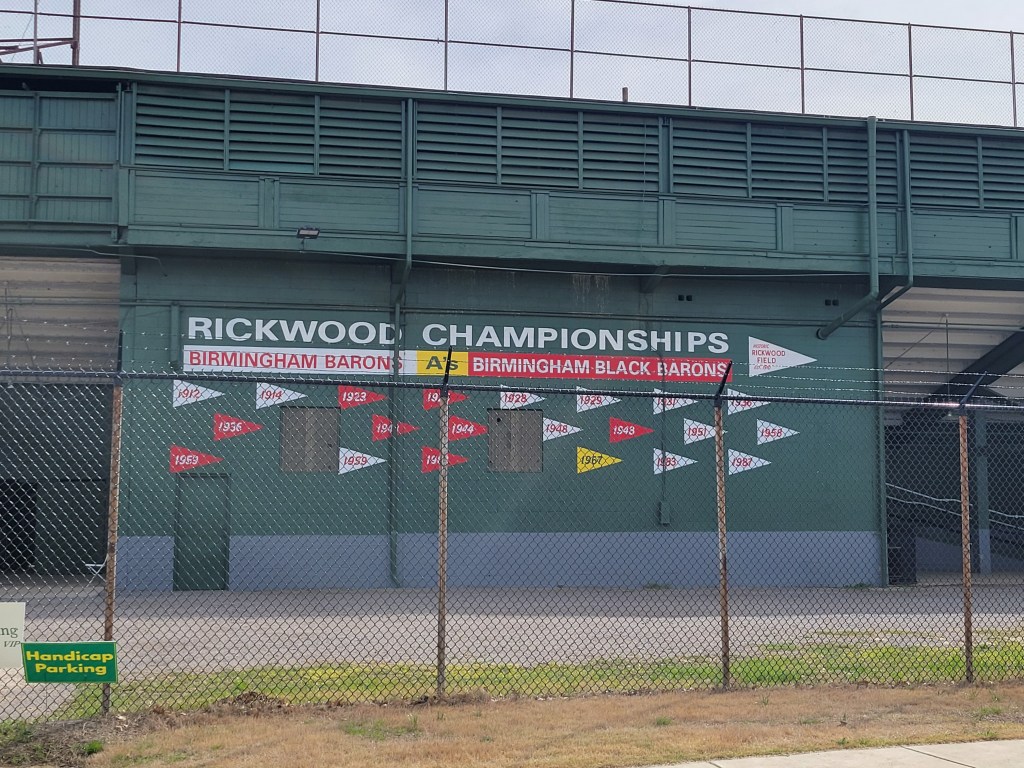
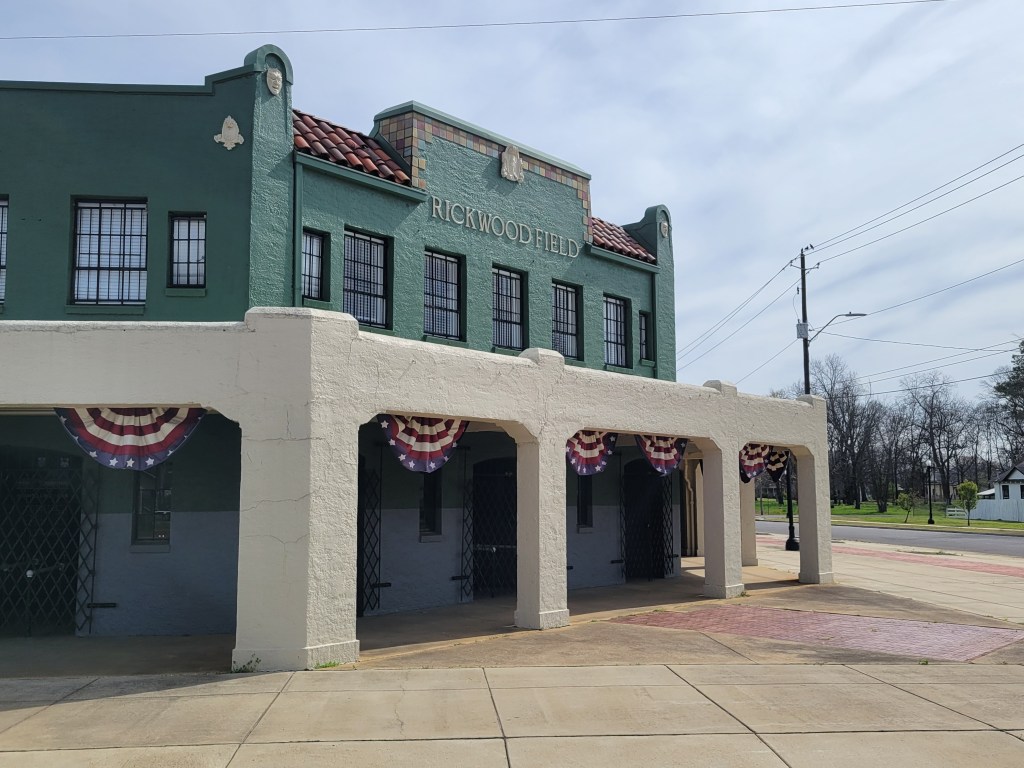
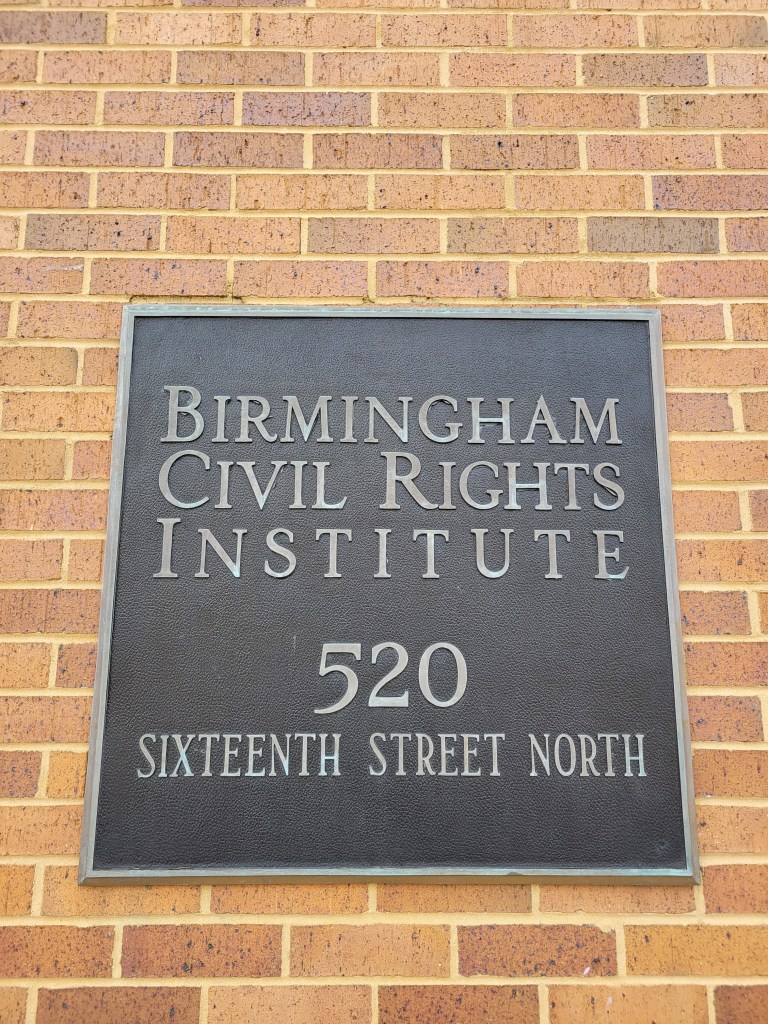
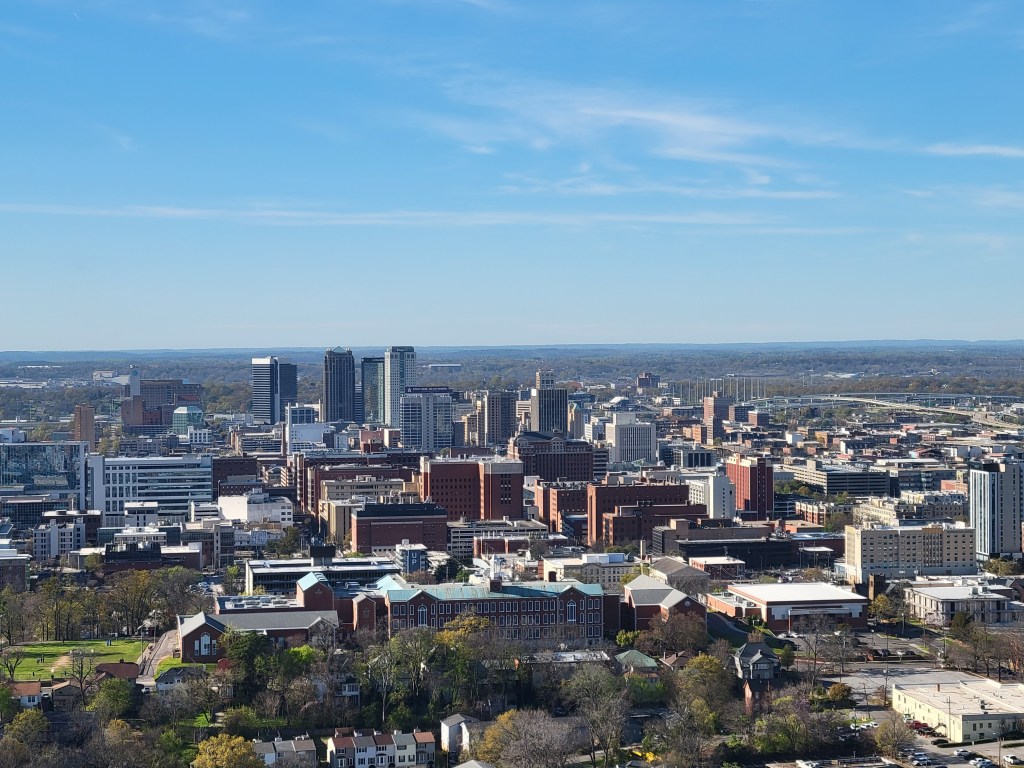
Our next stop was Birmingham. Of course, there were Civil Rights sights to see, and we did our best to see a good number of them. The Birmingham Civil Rights Museum was closed that day, but we felt that, after all of the states we’d been to, and all of the civil rights sights and museums we’d seen thus far, it was okay to miss it. We drove by Rickwood Field, the oldest existing professional baseball park in the country.

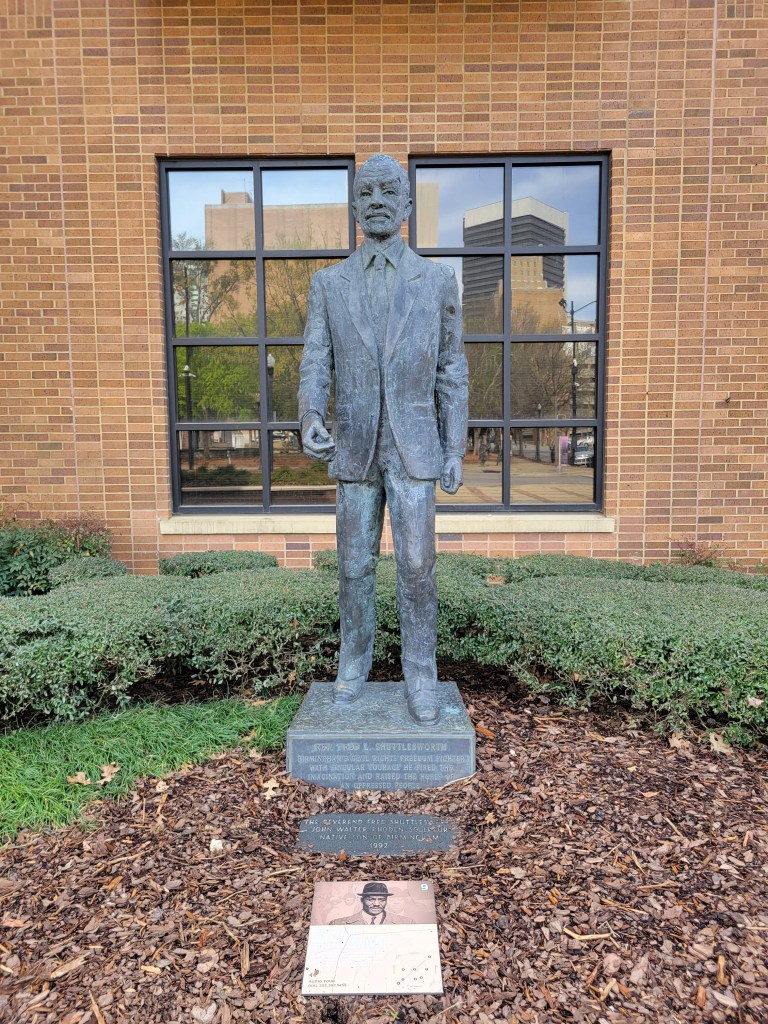

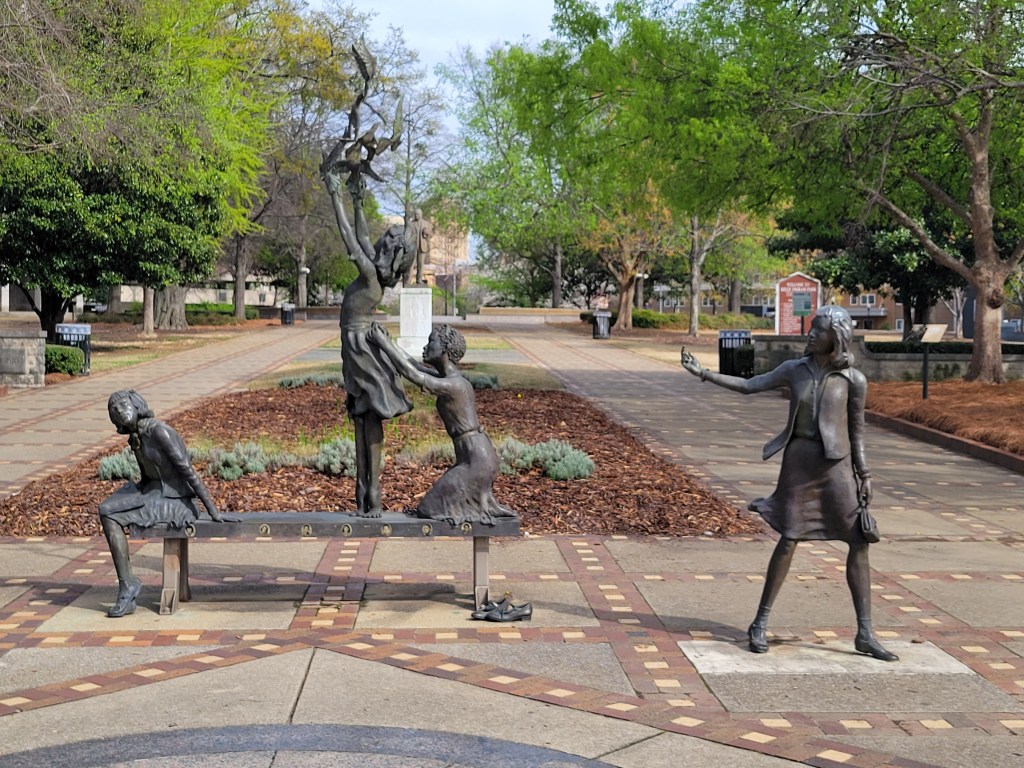
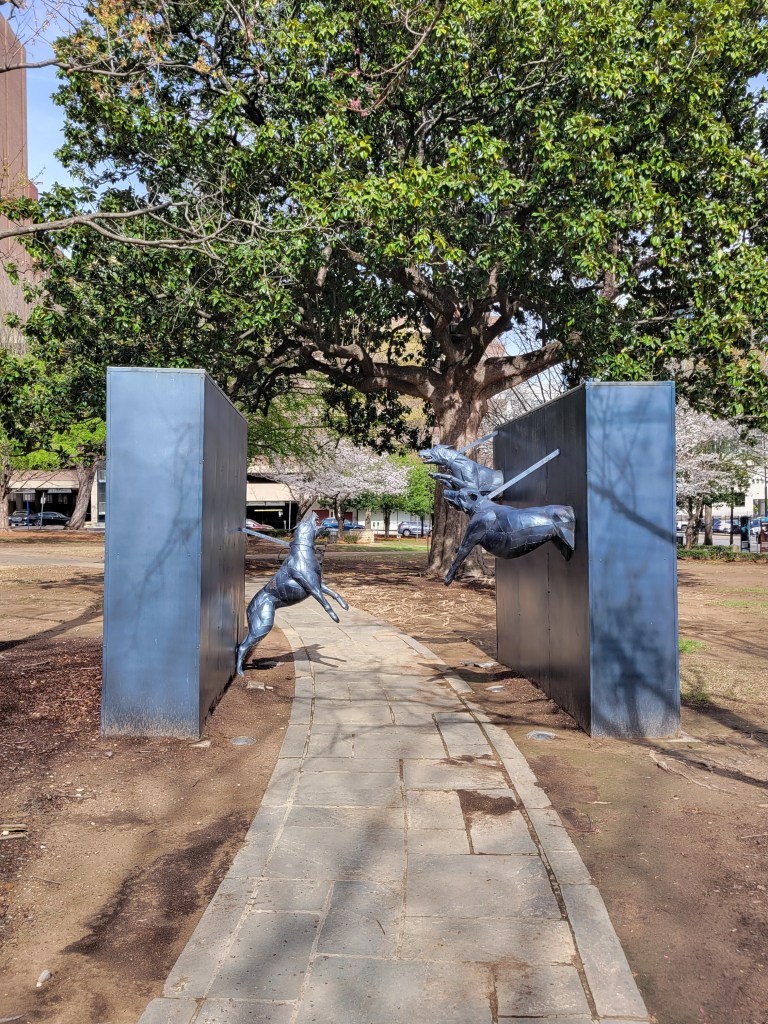

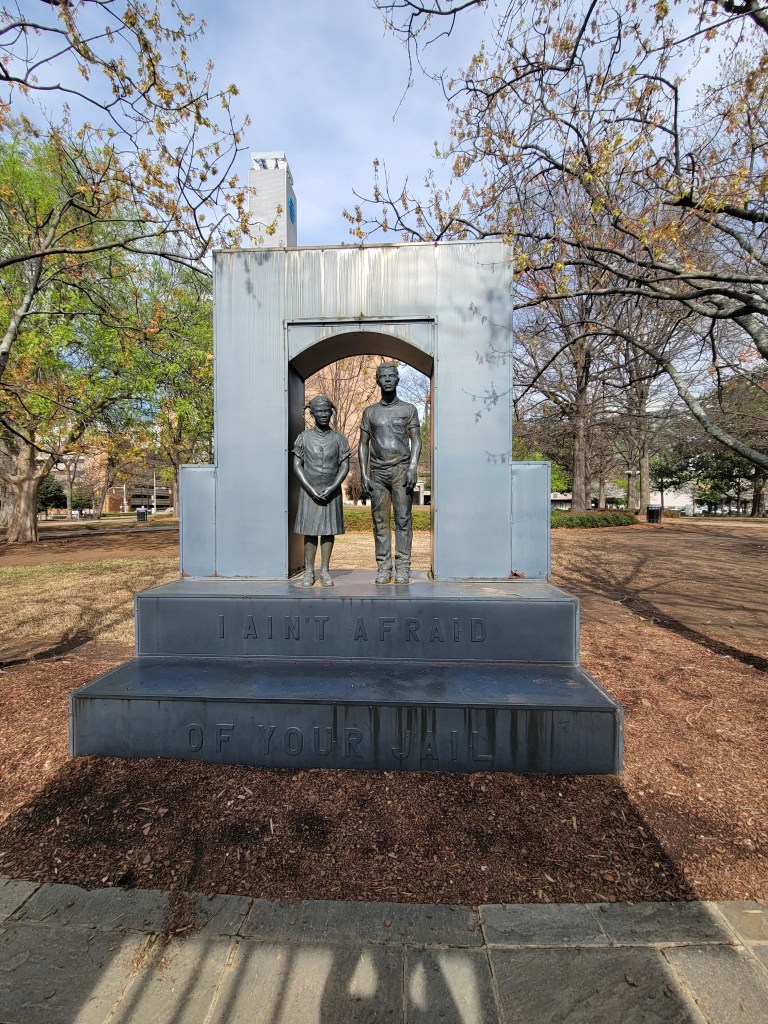
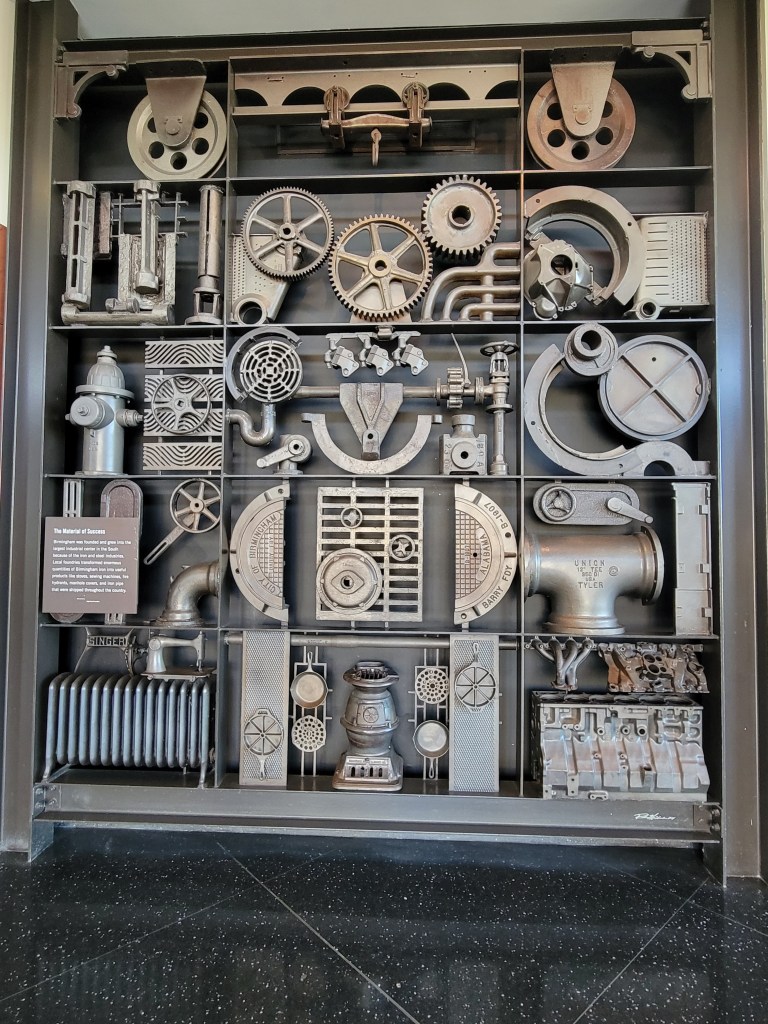
We also learned more about Birmingham culture and history at the Vulcan Monument and its museum. We learned what made Birmingham the perfect place to make cast iron.
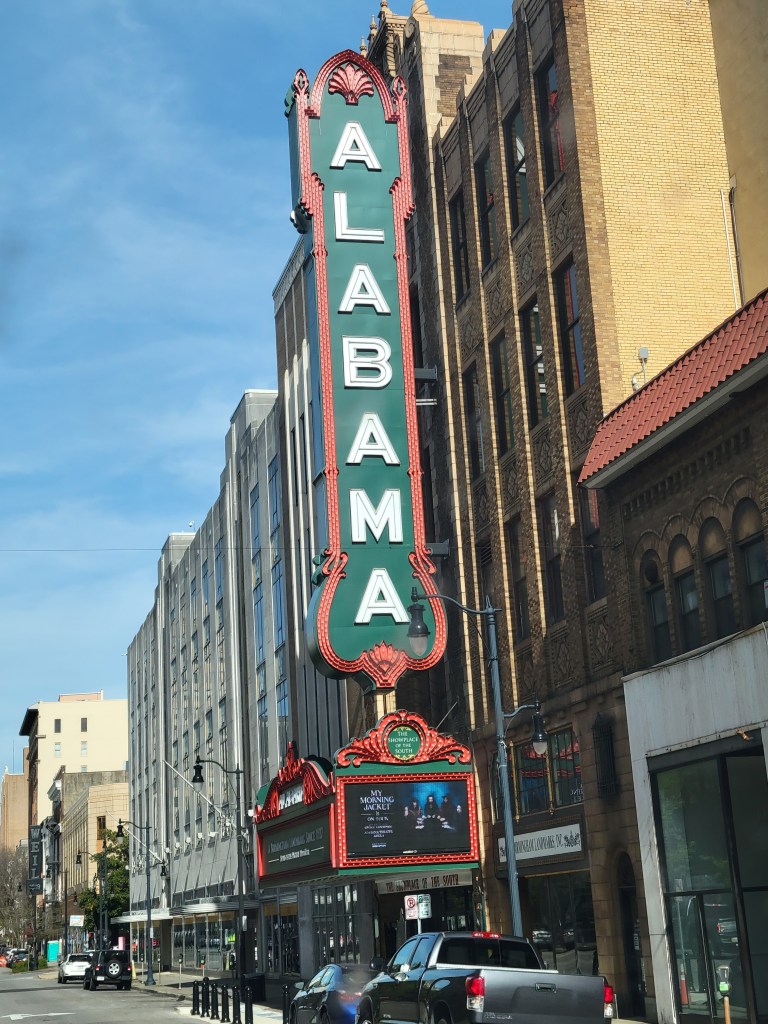



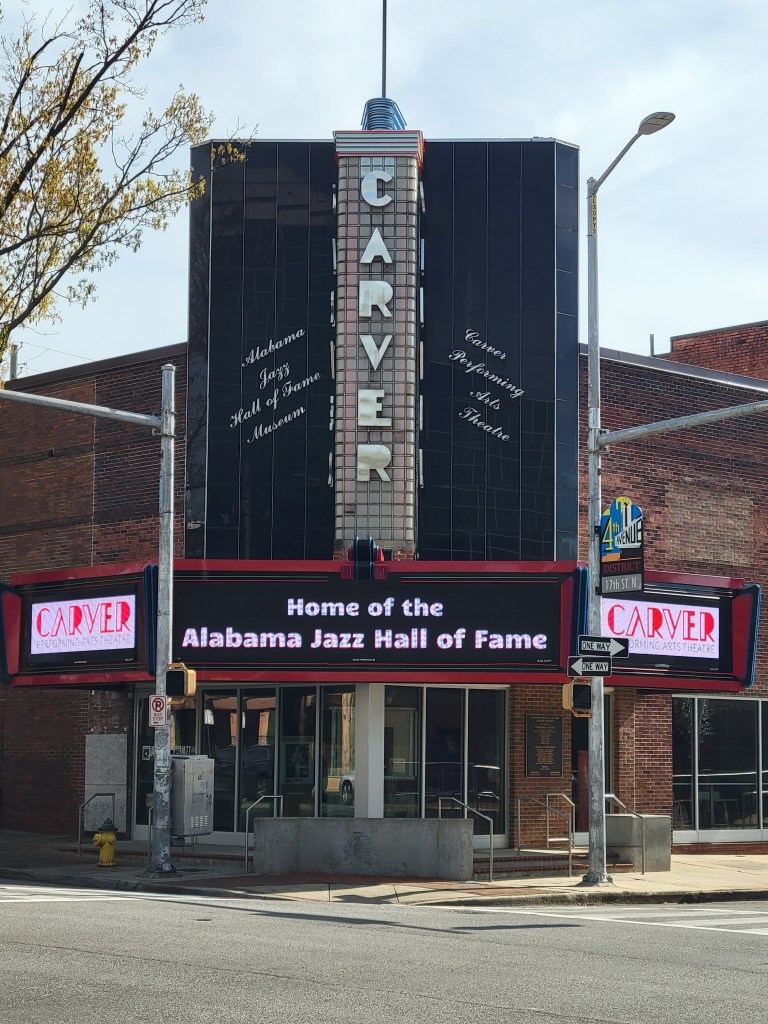
Our last stop in Birmingham was a place Julie had been looking forward to since she fell head over heels in love with Hattie B’s fried chicken in Nashville. Hatti B’s is a franchise. We were more than a little excited to find they had them in Atlanta, GA. Julie had been counting the days until we passed through Birmingham just to have a little more of that Hattie B’s spicy chicken experience. It did not disappoint.
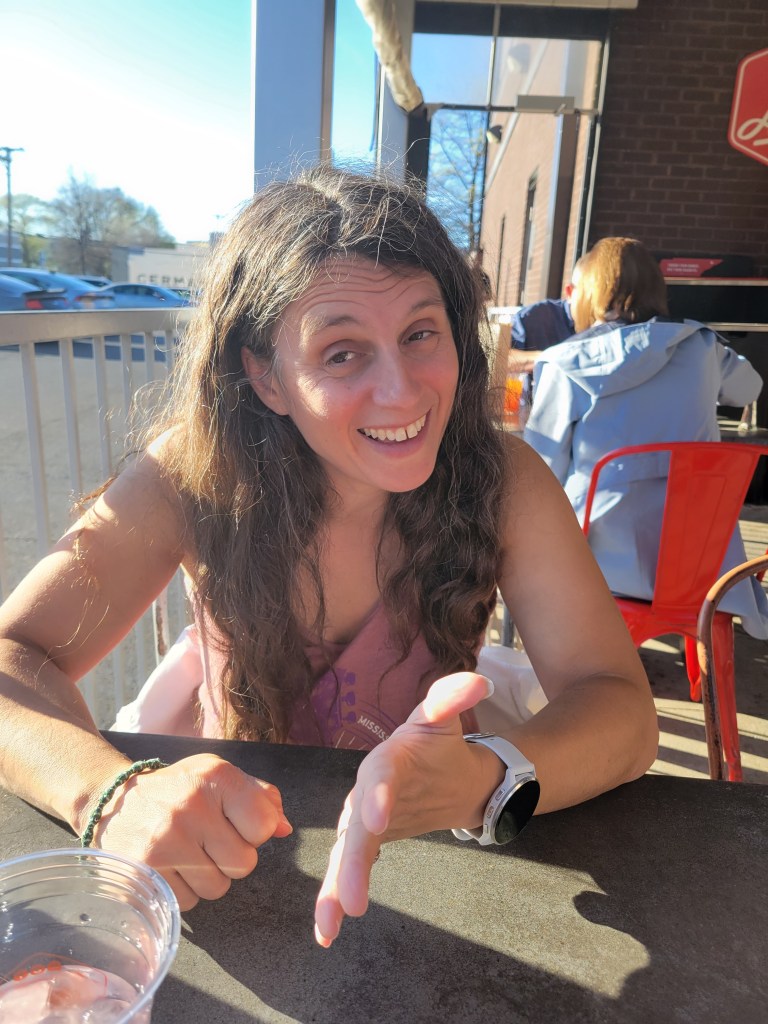

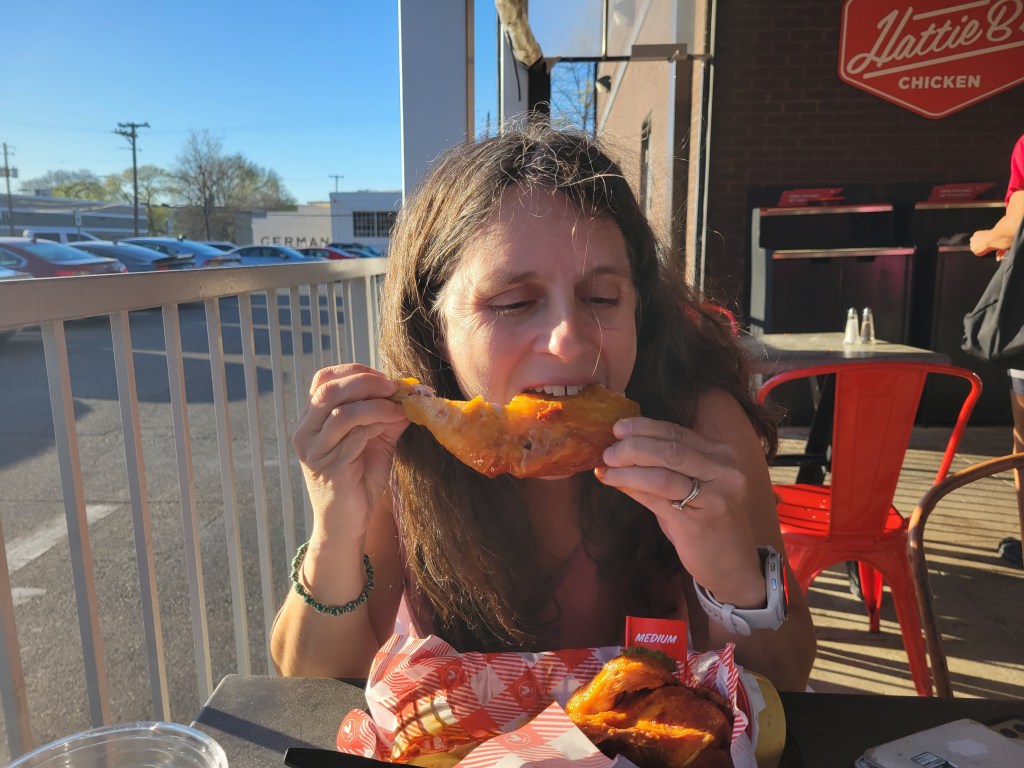
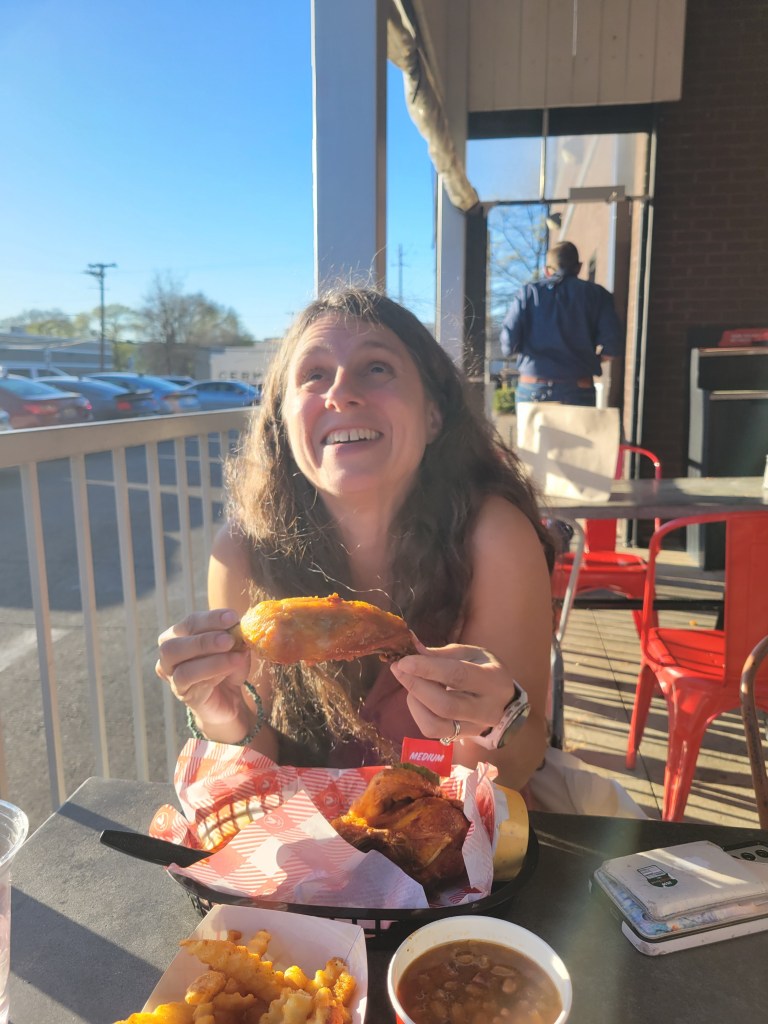
At this point, we had a lot left to see and a dwindling amount of days to do it. Ryan, heroically (using that word VERY liberally and relatively in context of our van trip – not quite measuring up to the actual heroism we had seen at various monuments throughout this state) volunteered to drive the remaining 2 hours to get us to Scottsboro in northeast Alabama by bed time.
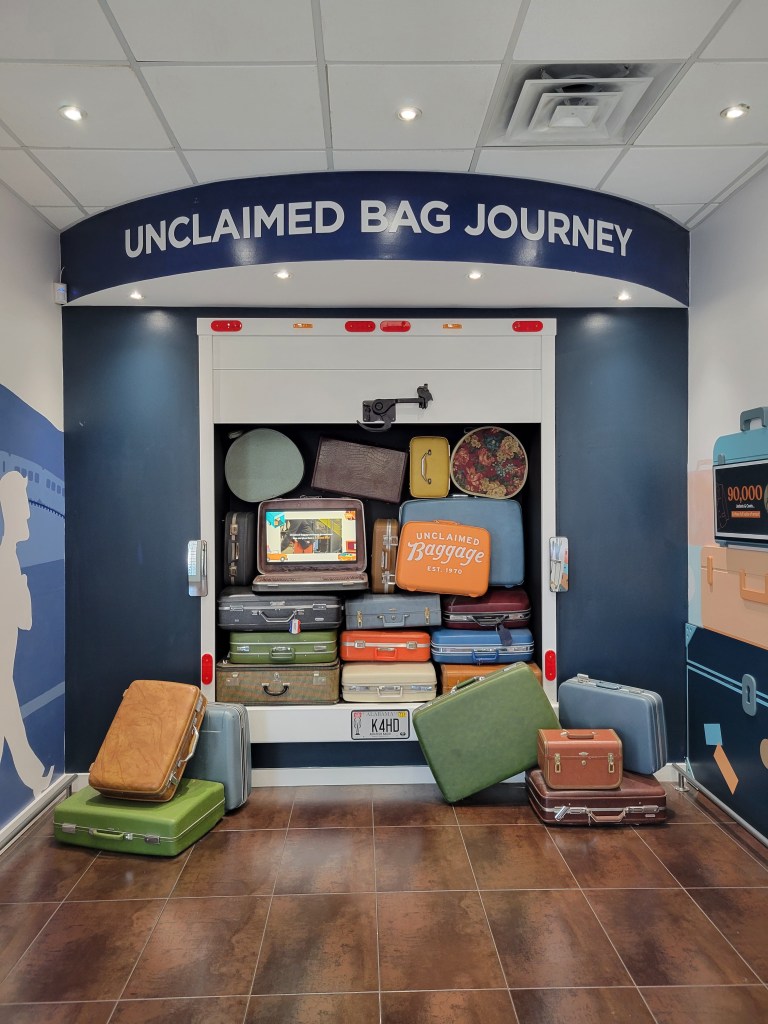
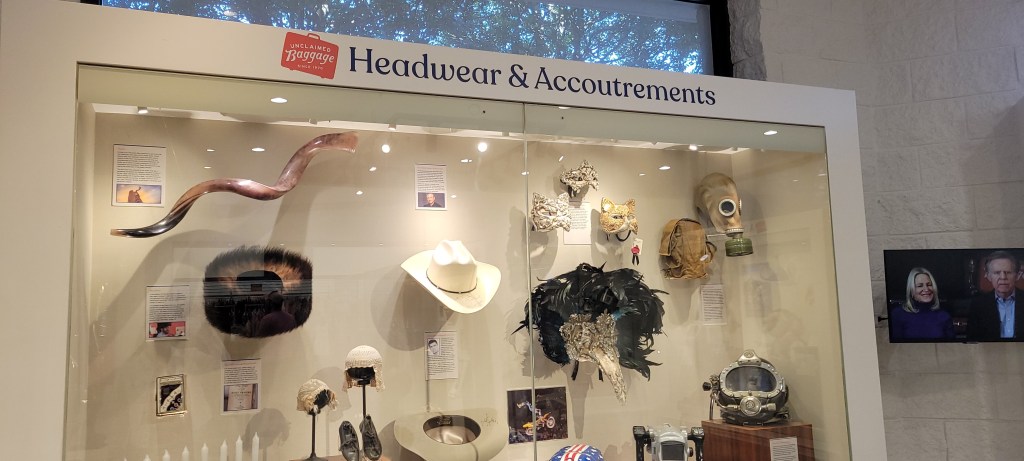
We woke up in the morning in the parking lot we had slept in – the parking lot of the Unclaimed Baggage Center. Every single person you have ever known that has lost baggage while traveling and never found it – it probably ended up here. It was essentially like a thrift shop filled with things people never meant to donate. As we shopped around the goods, we found ourselves excited about some of the great finds, but also with mixed feelings knowing that everything we were looking at is something that someone else was really bummed to lose.
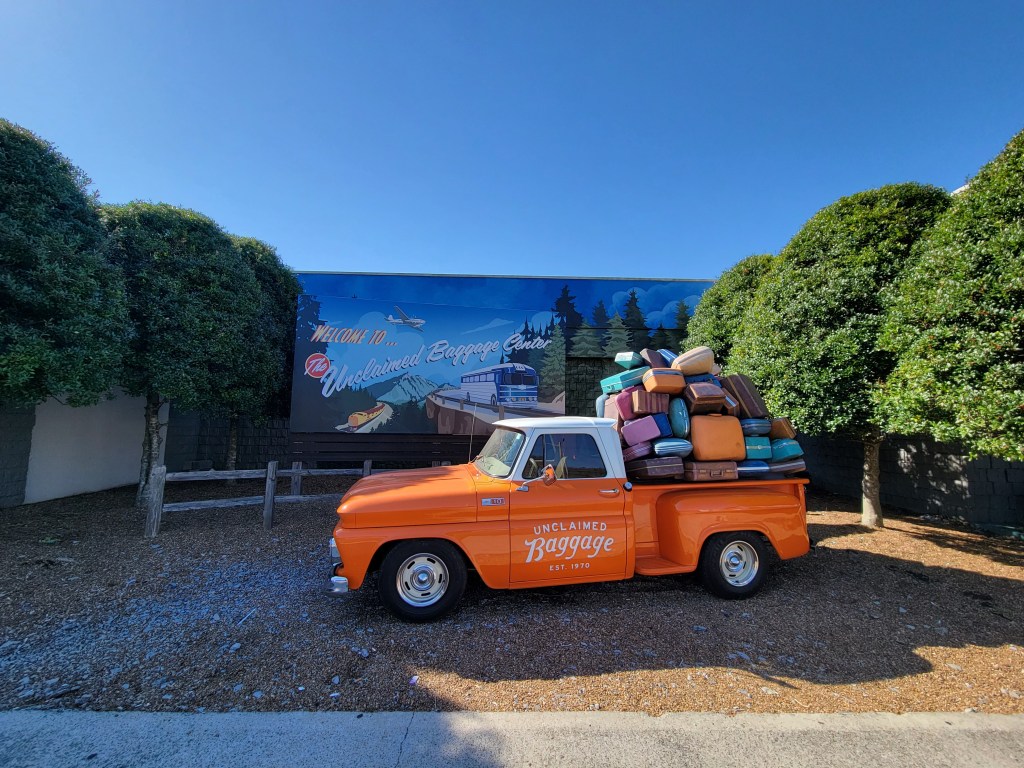
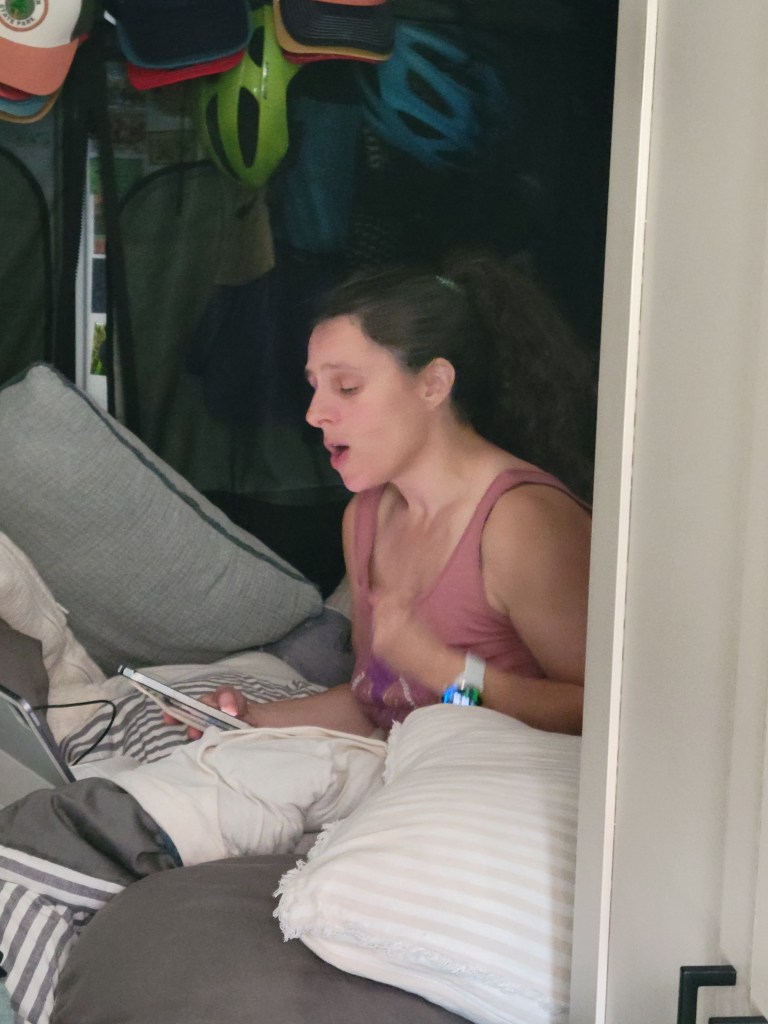
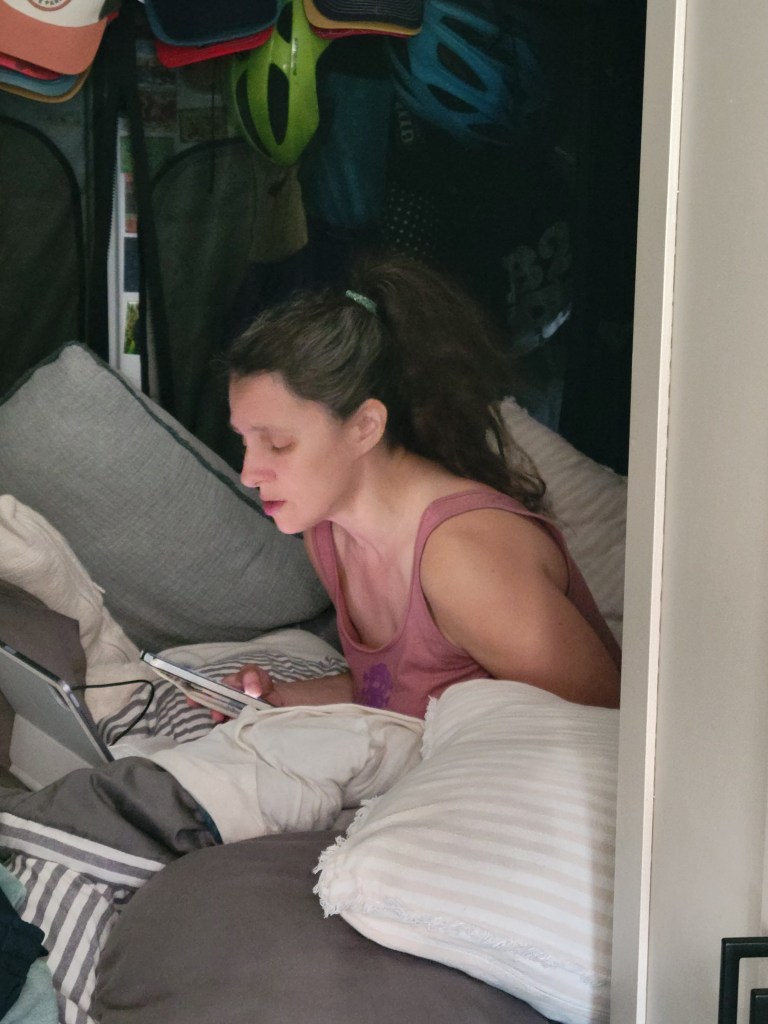
Before we headed in, Julie’s Alabama song came through into her mind like a shot, all at once, and a whole day early. Excited to have the song done so soon, she quickly picked up her iPad and phone and wrote the words and recorded the song before getting out of bed.
Most interesting was the museum at the store which had all sorts of wild artifacts that had all ended up there as unclaimed baggage – this included the puppet of one of the characters from one of Julie’s favorite movies growing up. It was like seeing a celebrity in person as Julie peered through the glass at Hoggle from the movie Labrynth. How Hoggle ended up in unclaimed baggage was hard to imagine, but there he was in all of his Hogwart (it’s HOGGLE!) glory!




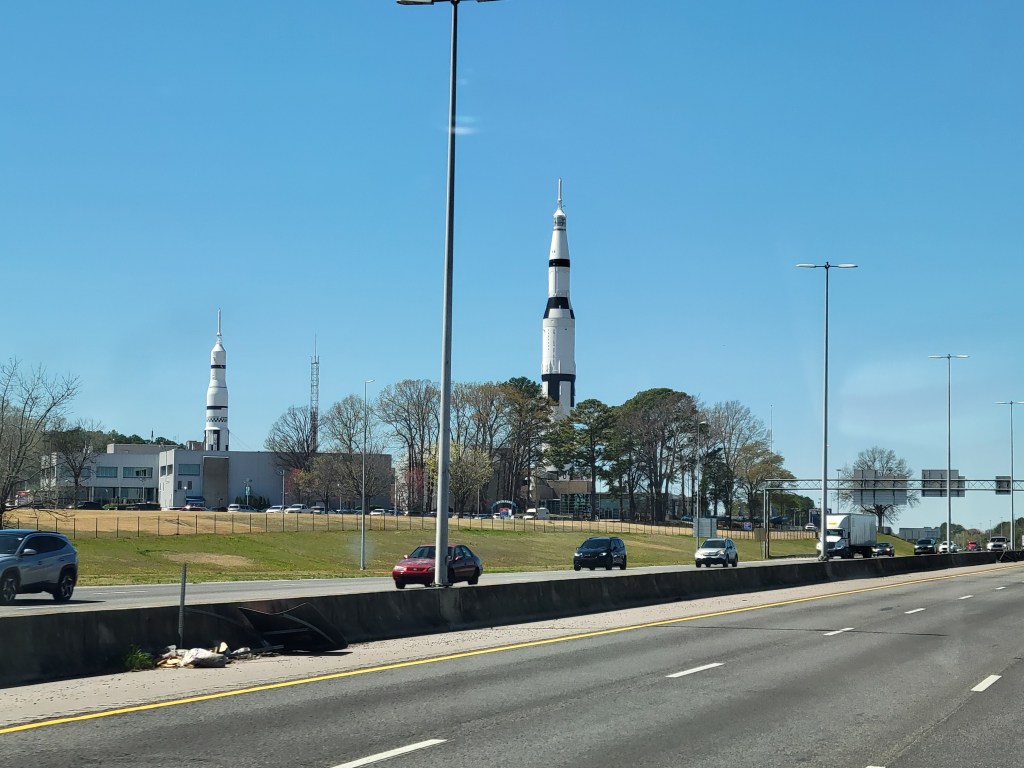
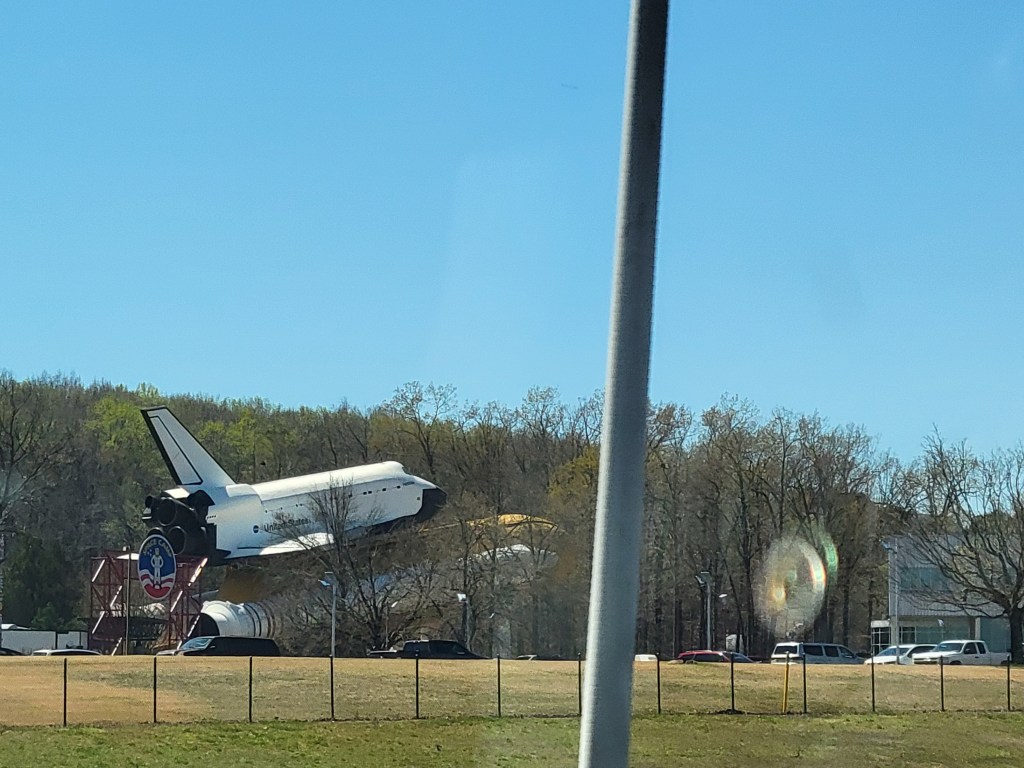
Our last stop on our way towards the northern border of Alabama took us through Huntsville. We didn’t have time to stop and were happy that we could see much of the NASA sight just from the road as we drove through. We considered stopping, but decided that we had seen enough NASA features on the trip so far to be willing to drive by, even though, if we’d had the time, we would have loved to see it. The third of the 3 Saturn shuttles that remain in the US was visible right from outside, so we were able to see it as we drove by. This meant, Julie had gotten to see all three (Houston, Kennedy Space Center, Huntsville).
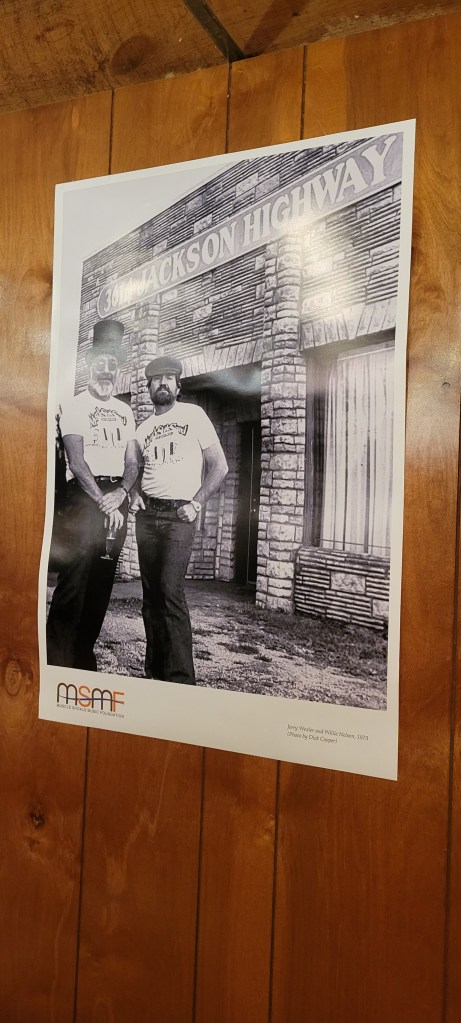
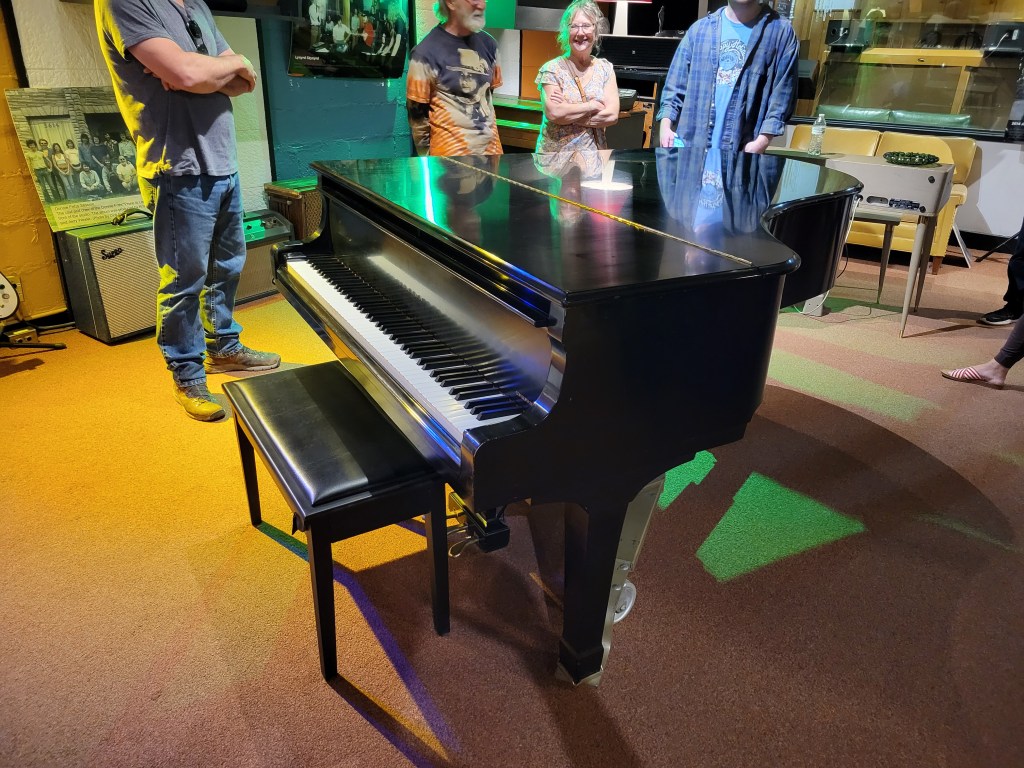
We drove on until we reached that little town on the Tennessee River where the Swampers made their music that has undoubtedly played, through one iconic song or another, in probably every living room in America at some point. We drove right through Muscle Shoals to land at the famous Muscle Shoals Sound Studio. When we pulled up to it, we were struck by this modest little building out in the “middle of nowhere”. To look at it, you would never know how much of the music that has stirred your self and reverberated around the world was recorded right in those little walls.
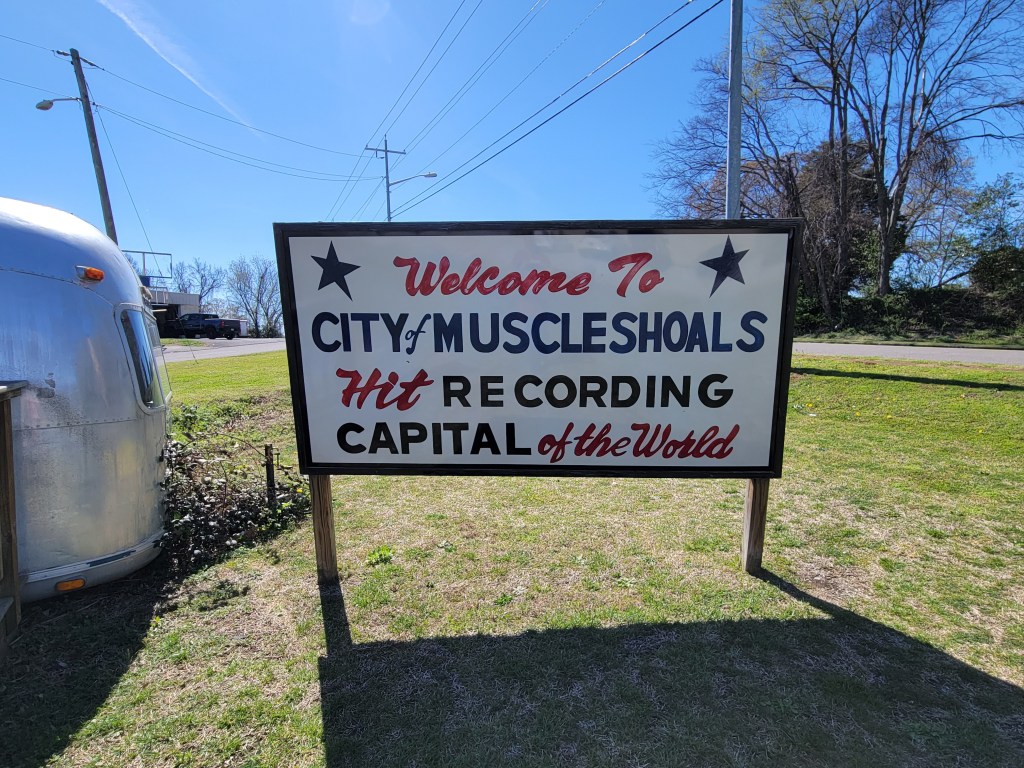

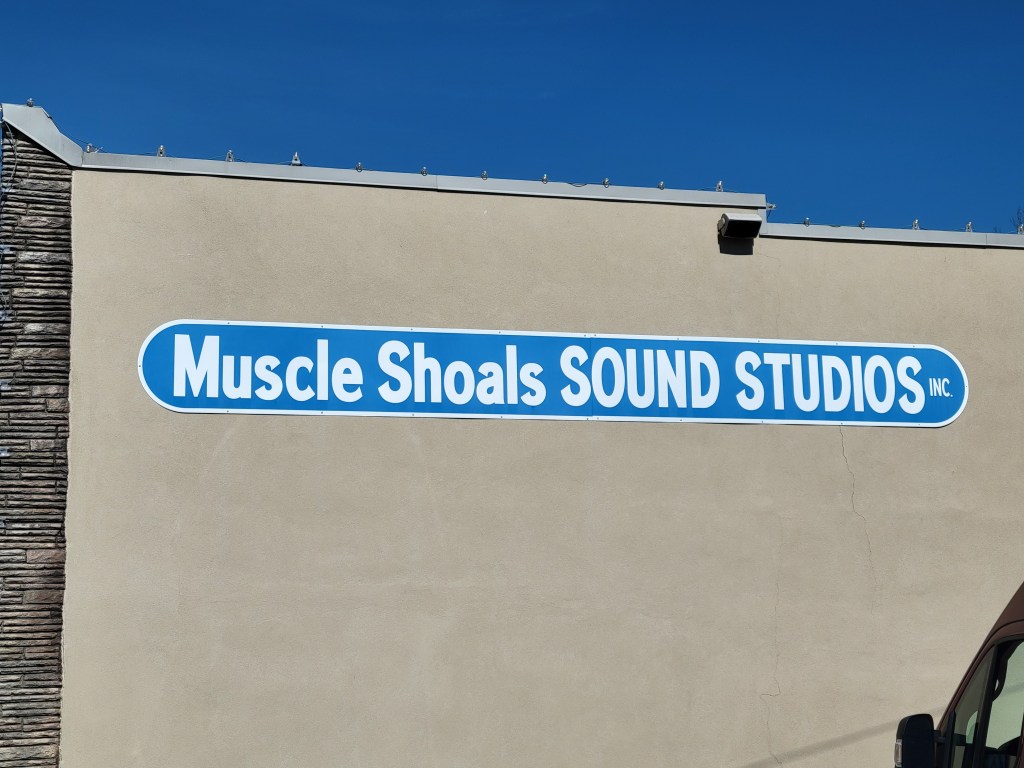
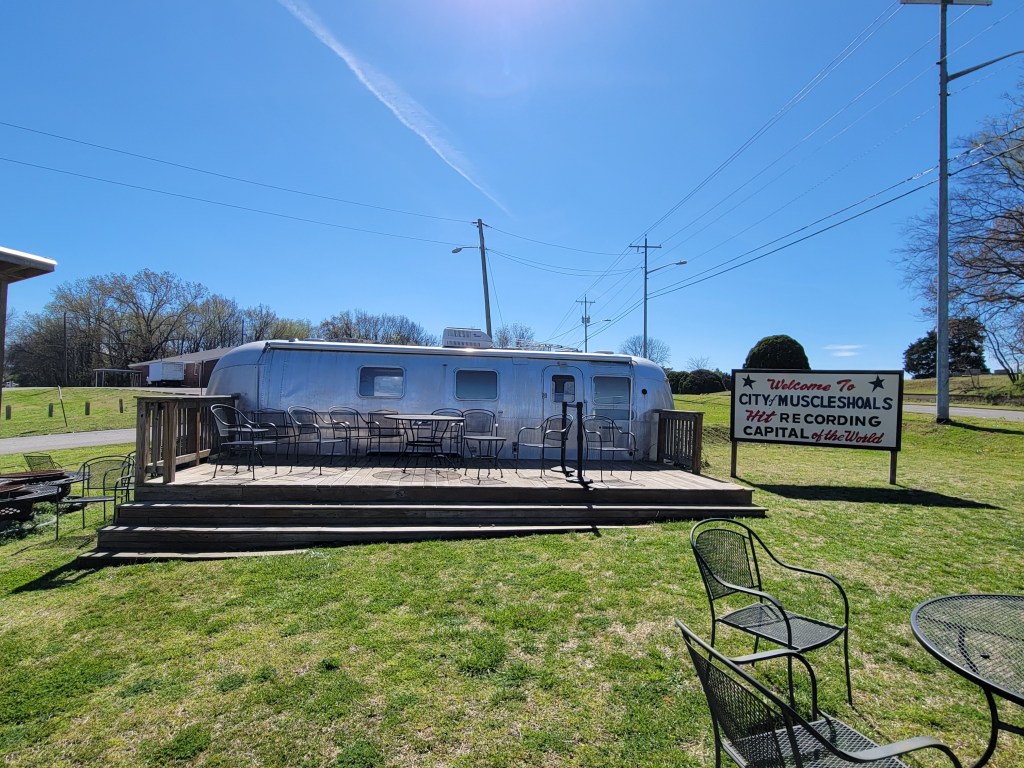
We took the tour and felt the inspiration.
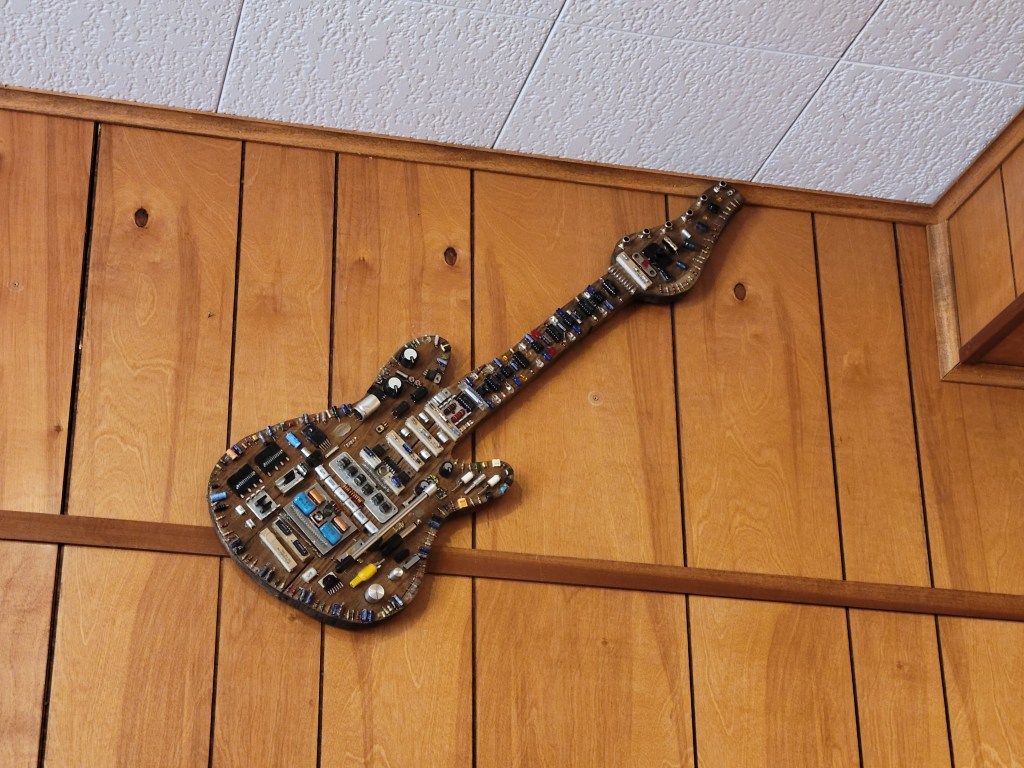
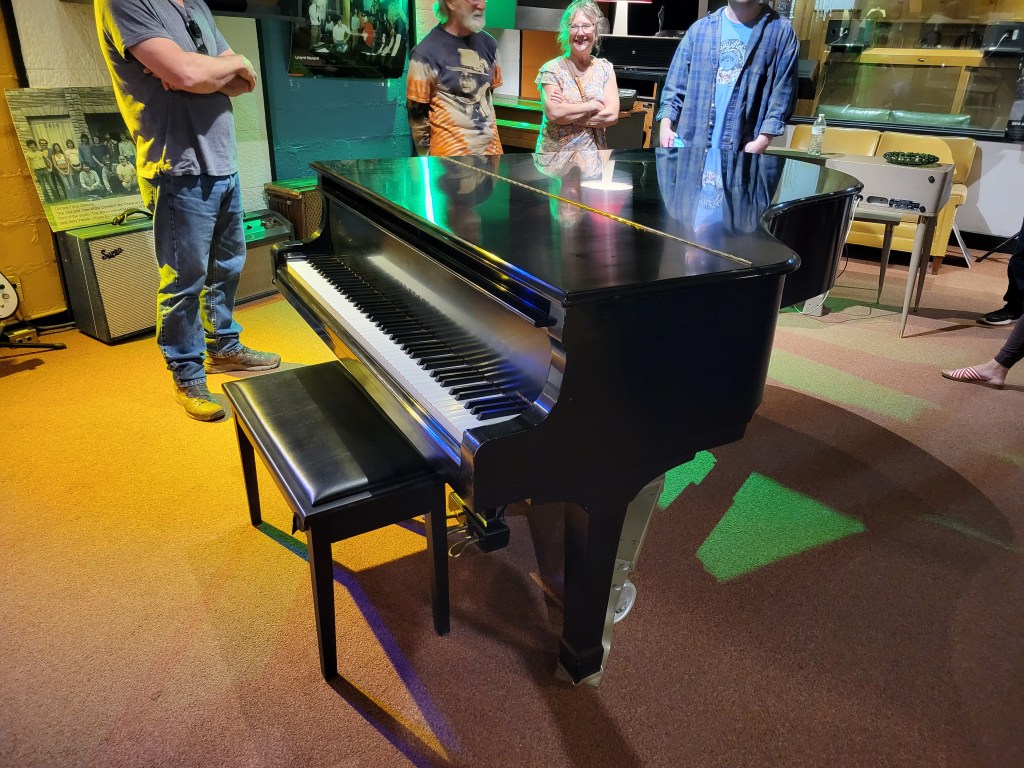
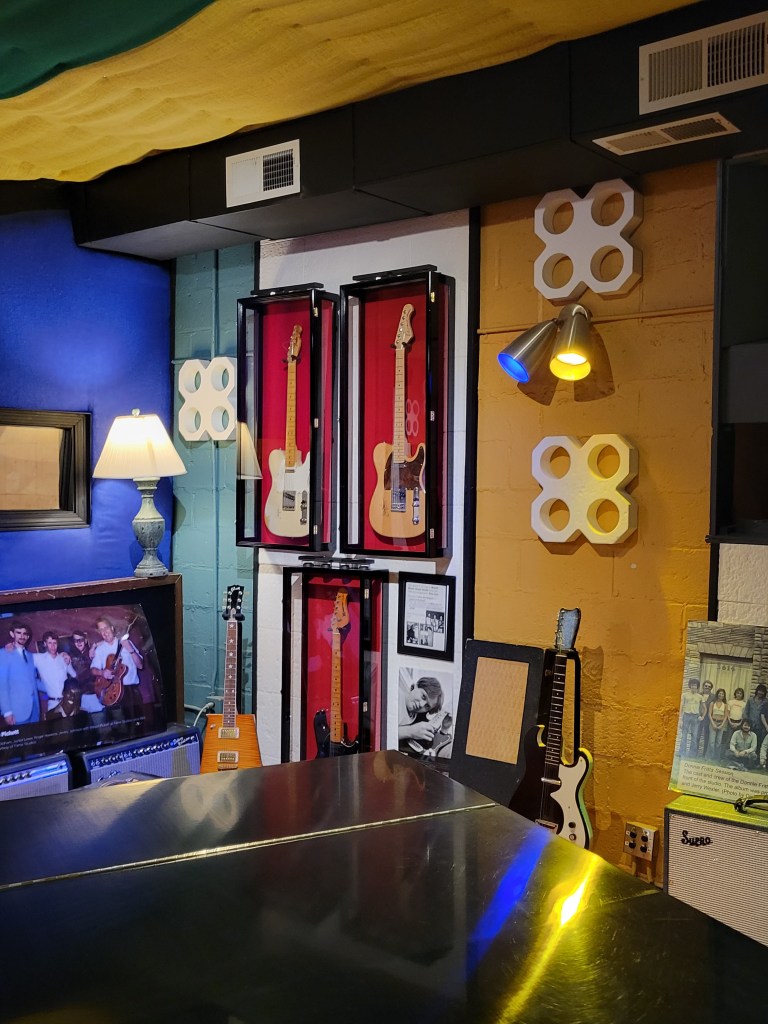

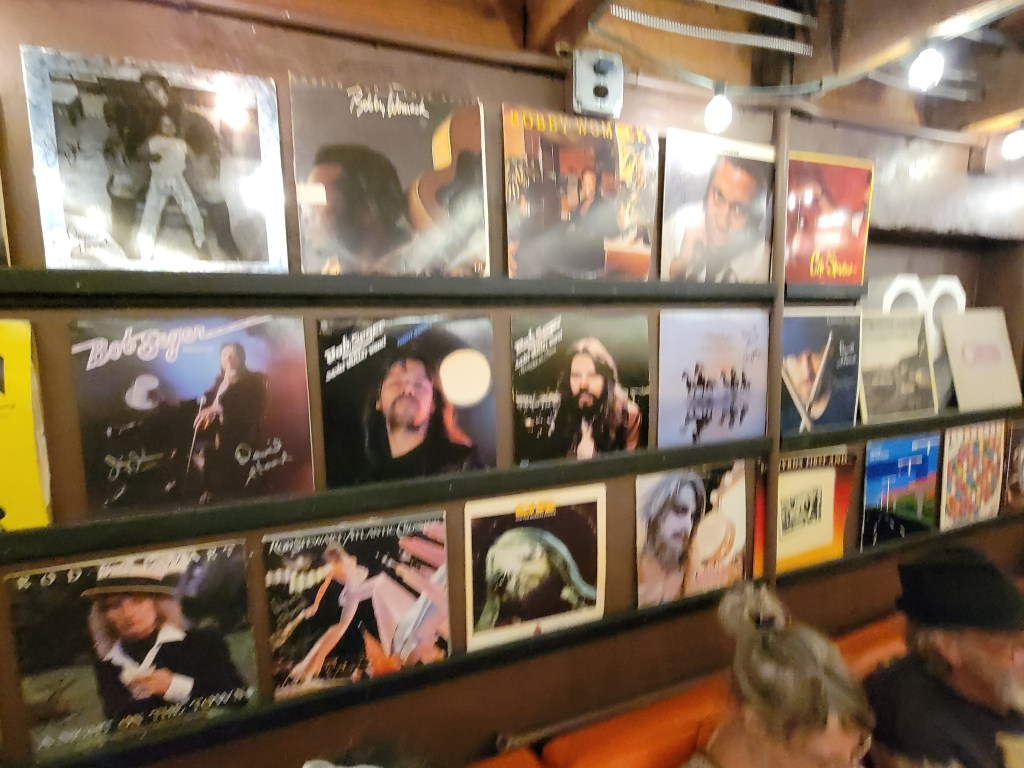

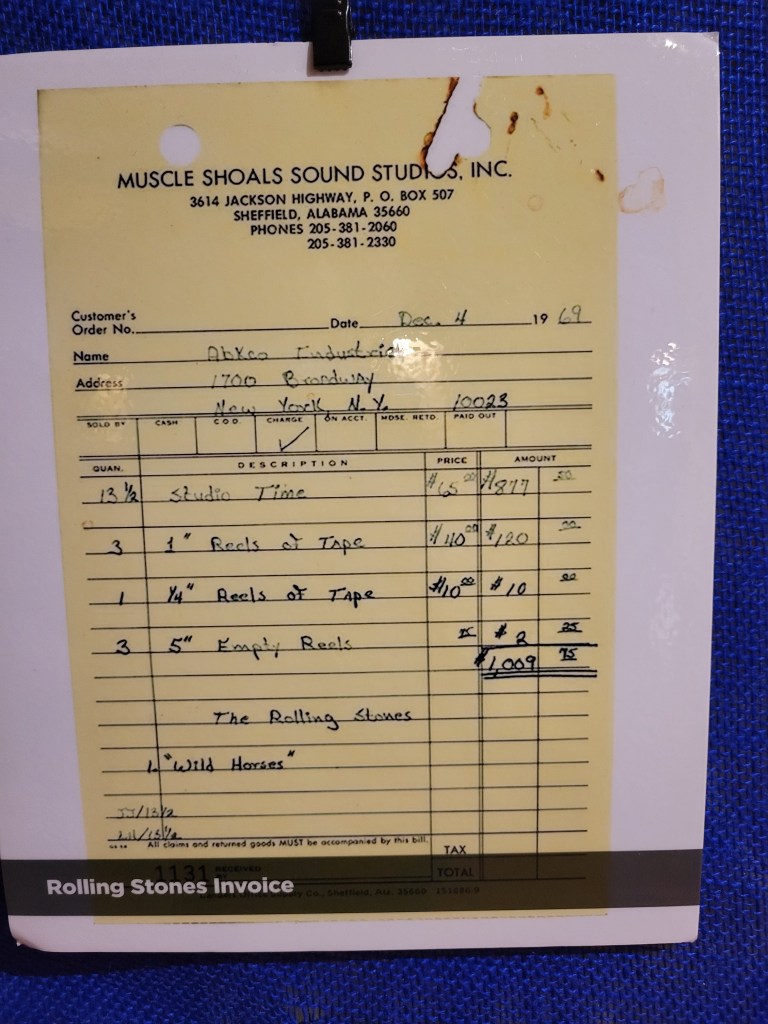
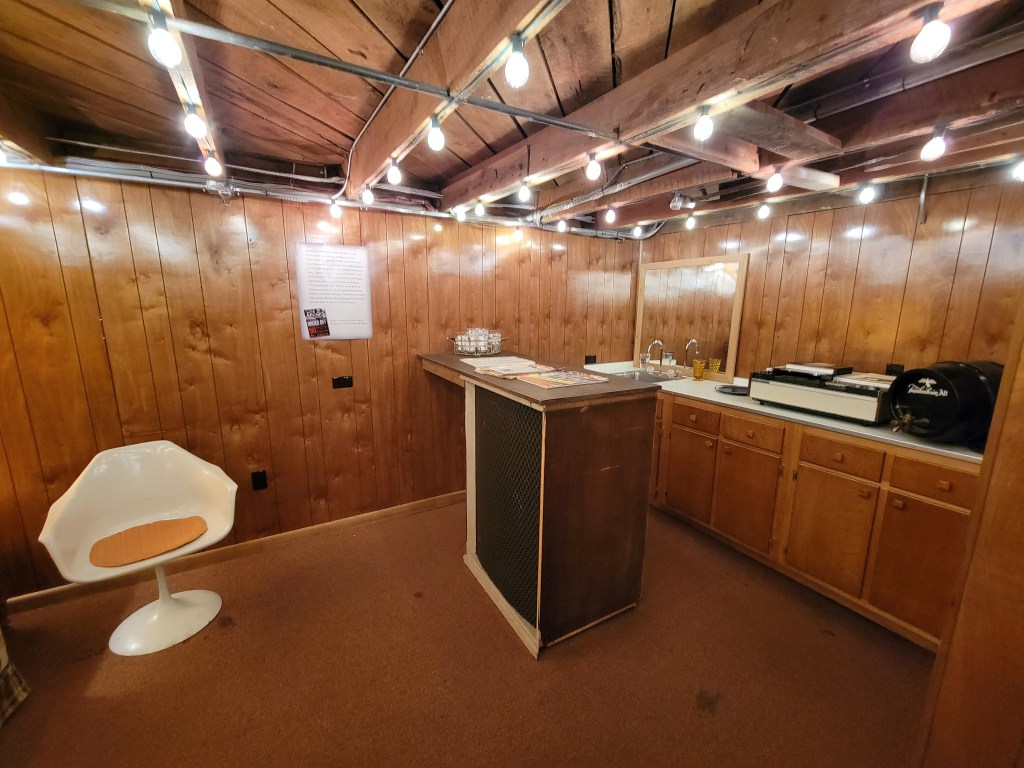

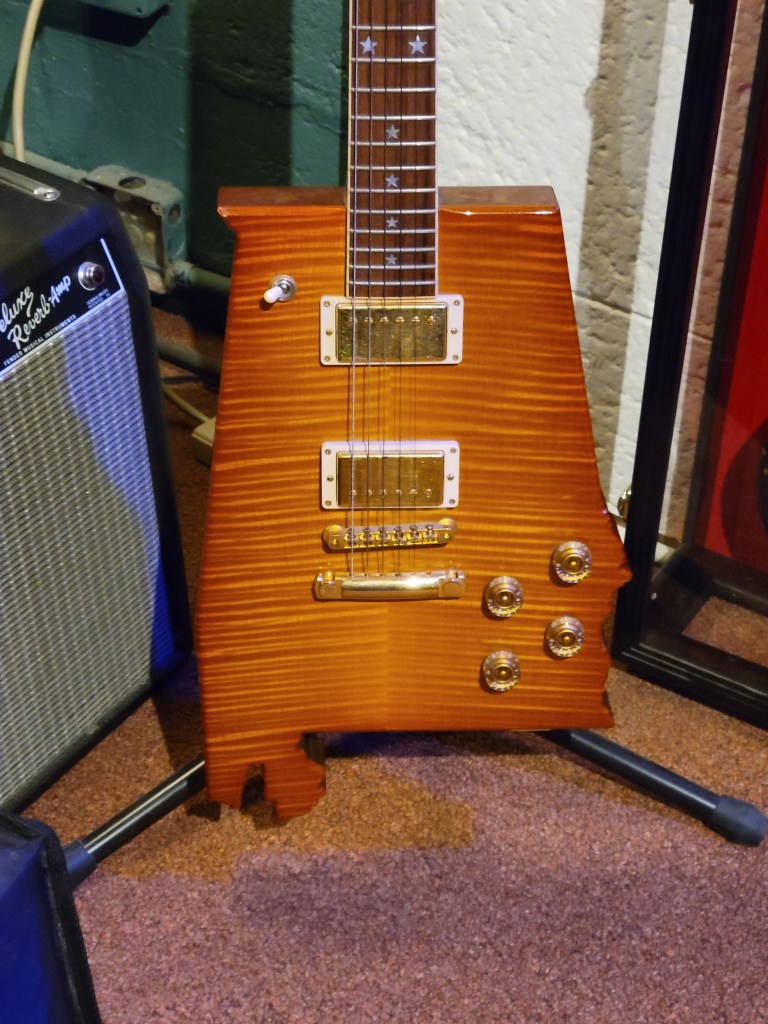
Before we left, we looked at each other. How absolutely cool would it be for Julie to record a handful of her odes to the 50 states in the same studio where The Rolling Stones recorded Brown Sugar, where Cher, Willie Nelson, Linda Rondstadt, Lynard Skynard, Percy Sledge and on and on and on had laid down tracks that we held dear? It would be pretty cool. It turns out that it is a working studio. Before leaving, we asked if it was possible to rent out a session. “Absolutely” our tour guide (also the sound engineer) replied. “Is it possible to be tonight or tomorrow night?” We asked, fully expecting the response we got. “Maybe.” It’s a lot to ask them to rally on such short notice.
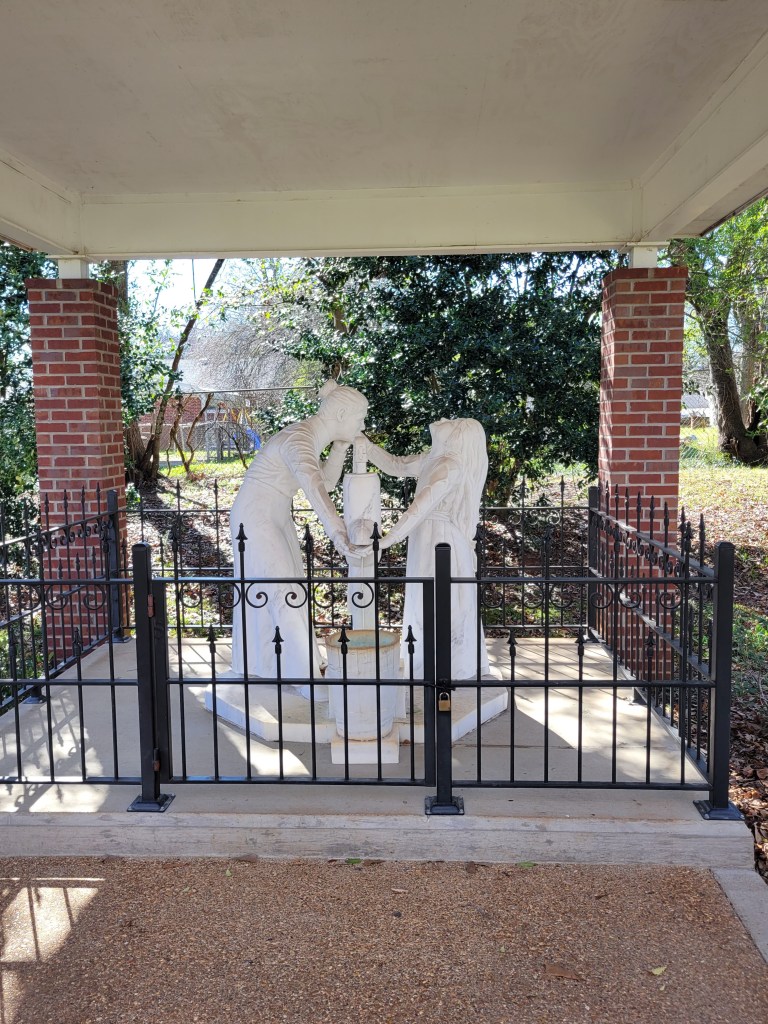
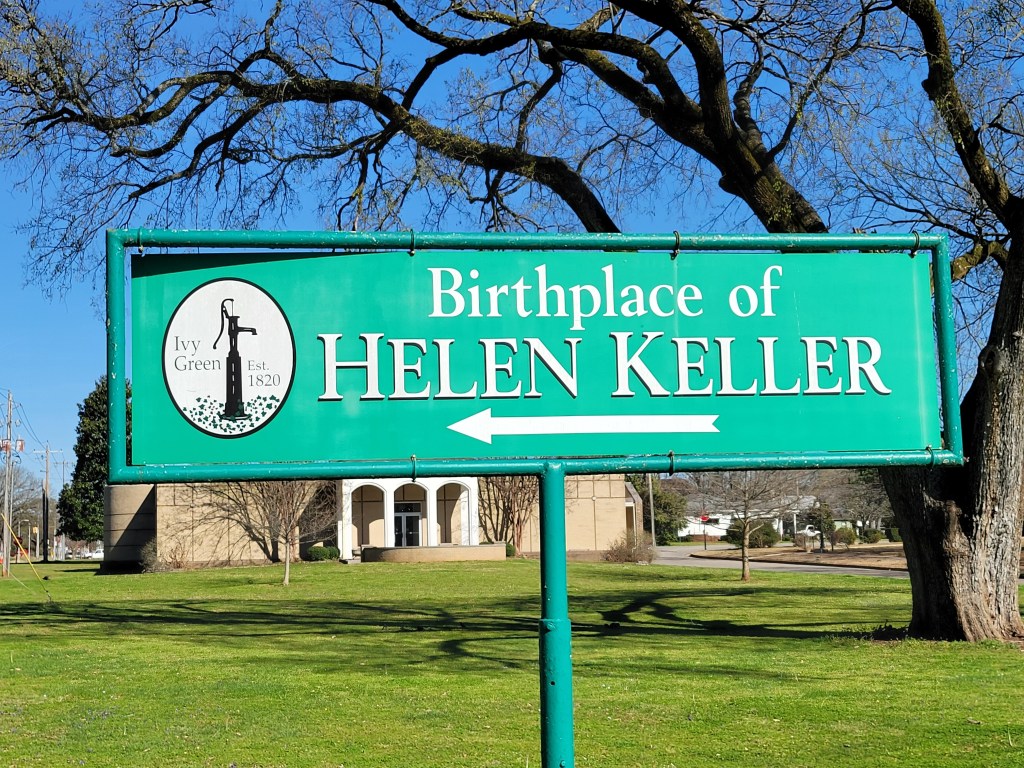
While we waited for a response in our email about potential availability, we made our way over to Ivy Green, the home of Helen Keller and the site of those stories we had learned about in our childhood of that magical moment when Anne Sullivan put her hand under the water and first helped her learn that word. It’s hard to put into words the inspiration that a figure like Helen Keller can illicit. Being at the sight of such profound events of her life amplified that inspiration.
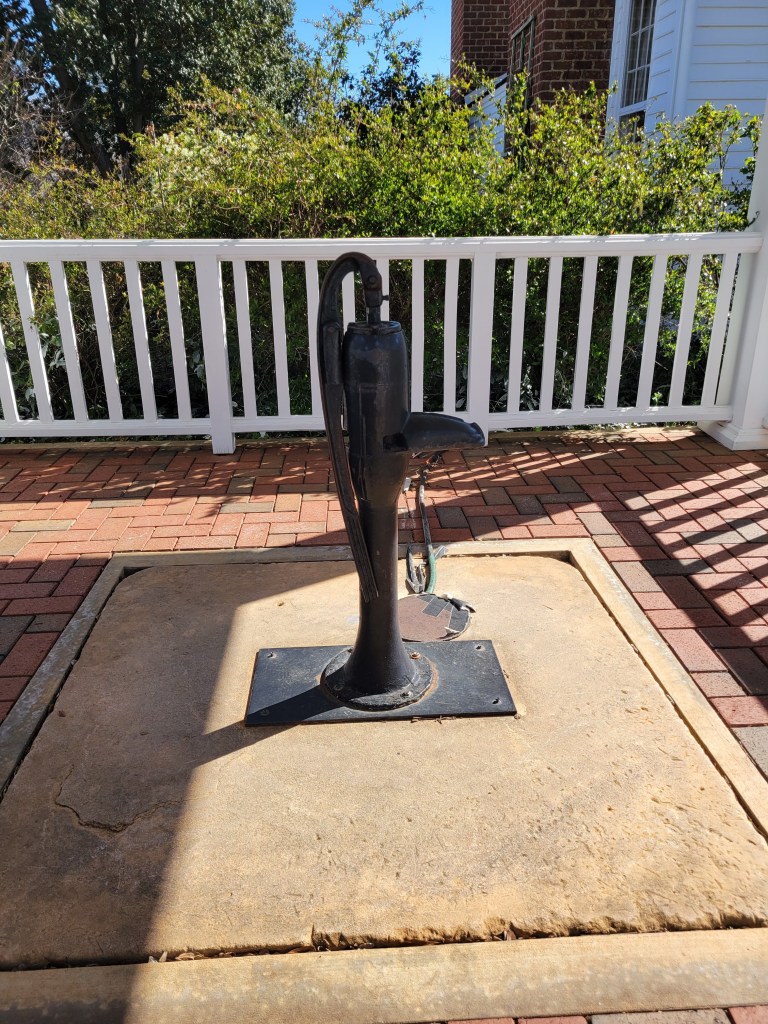
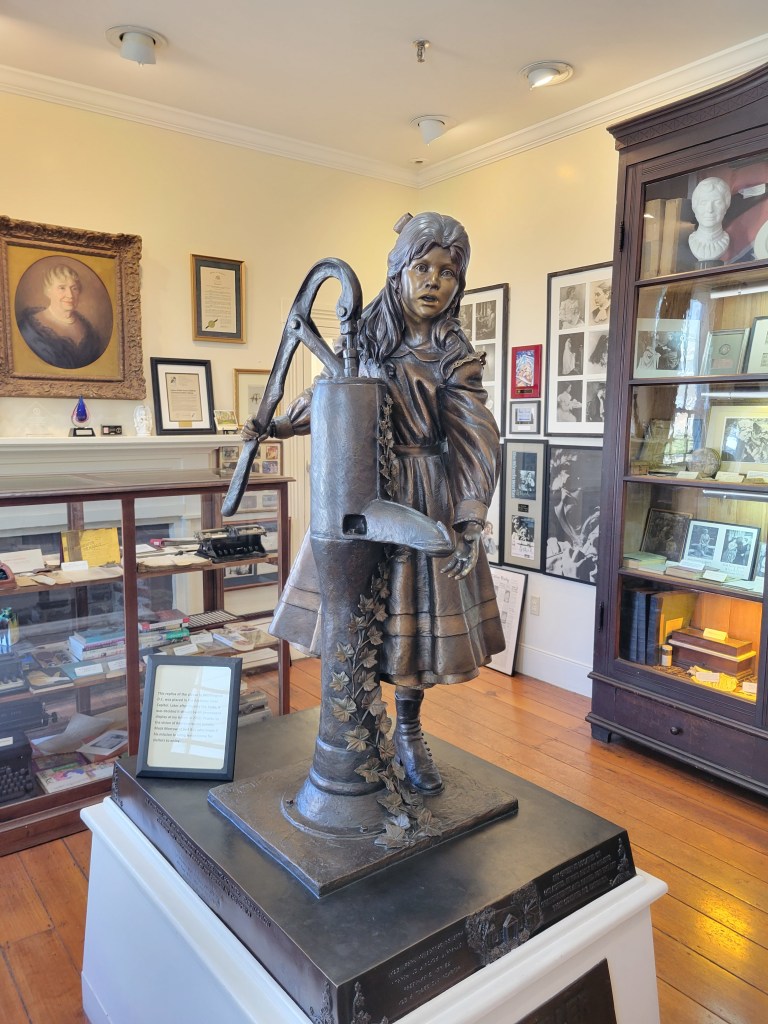

We also drove by the original studio that started it all, Fame Recording Studio. We learned that these 2 studios were now only a small portion of the about 15 recording studios make music here in this modest town in northeastern Alabama.
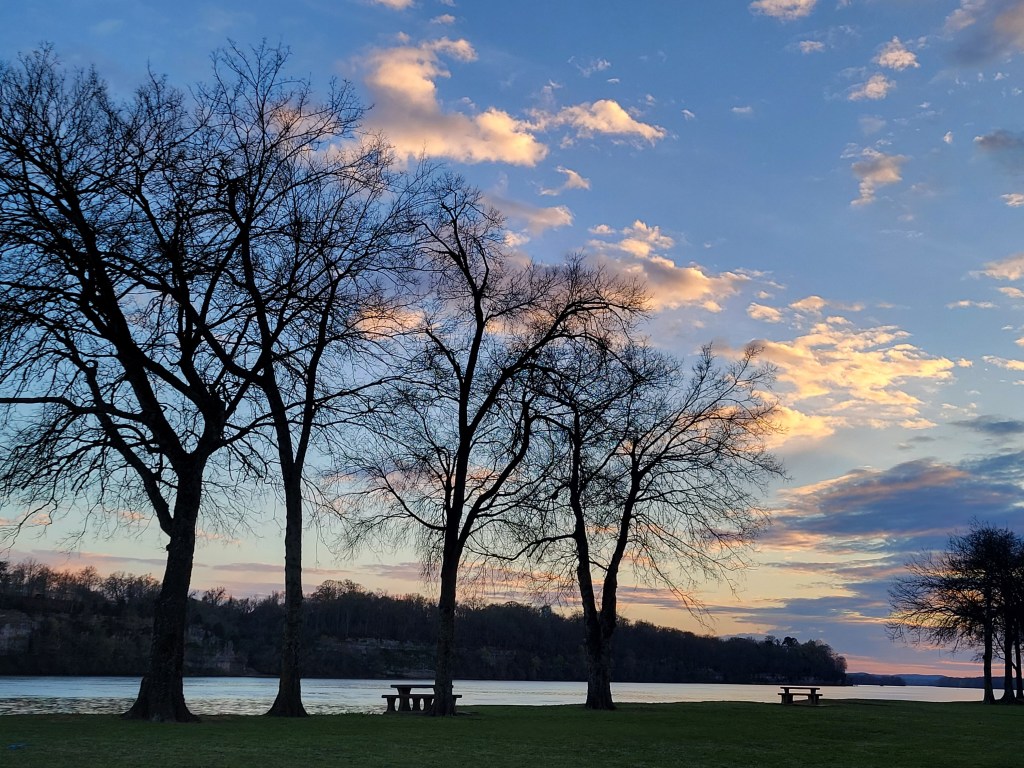
Still dreaming of a chance to record a state song or two in the iconic studio in Muscle Shoals, rather than head towards Kentucky last night, our next state on the itinerary, we grabbed a campsite at the lovely McFarland Campground right in town, right on the Tennessee River, while we await word if such an epic things will happen before we leave Muscle Shoals or not.
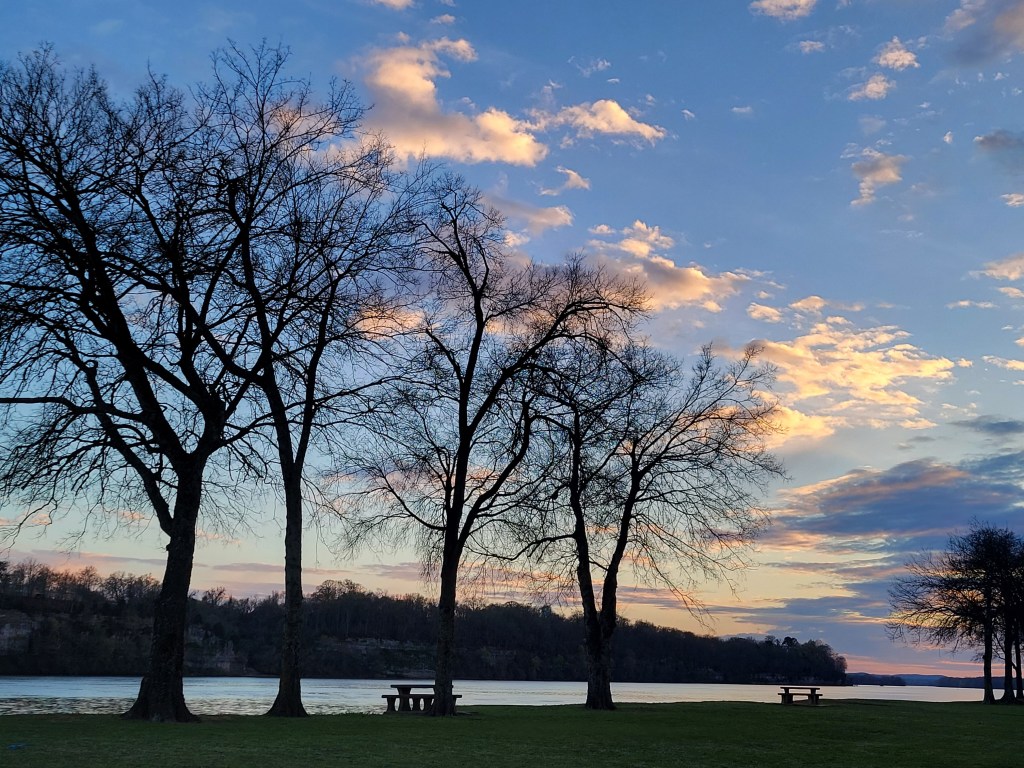

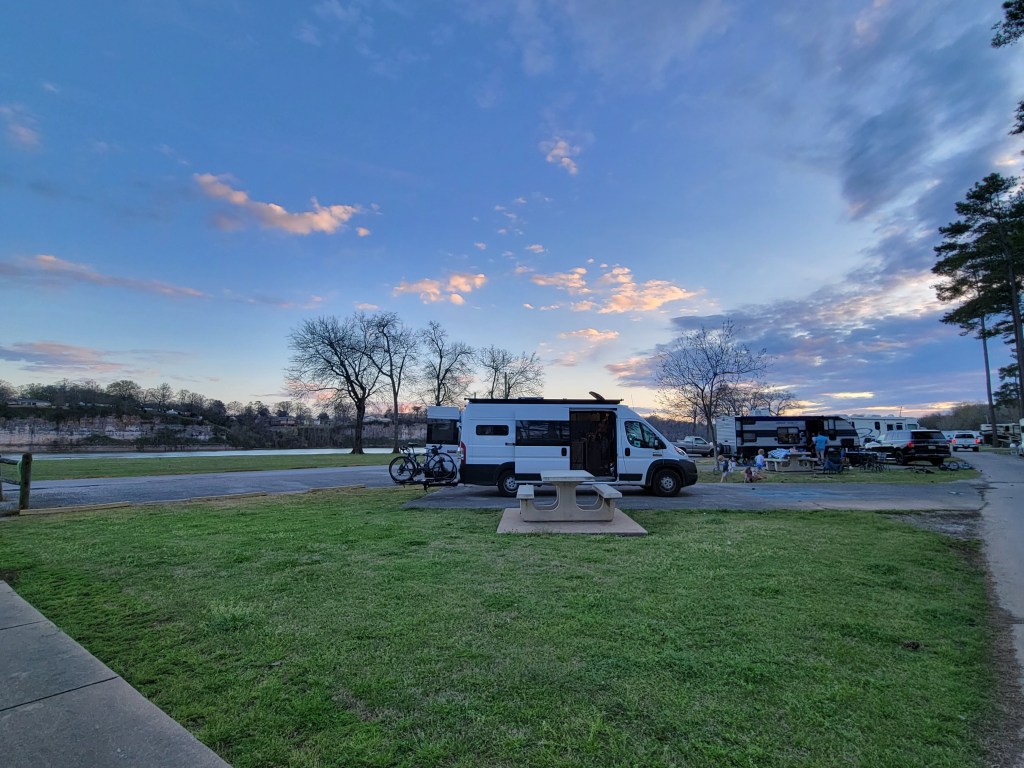
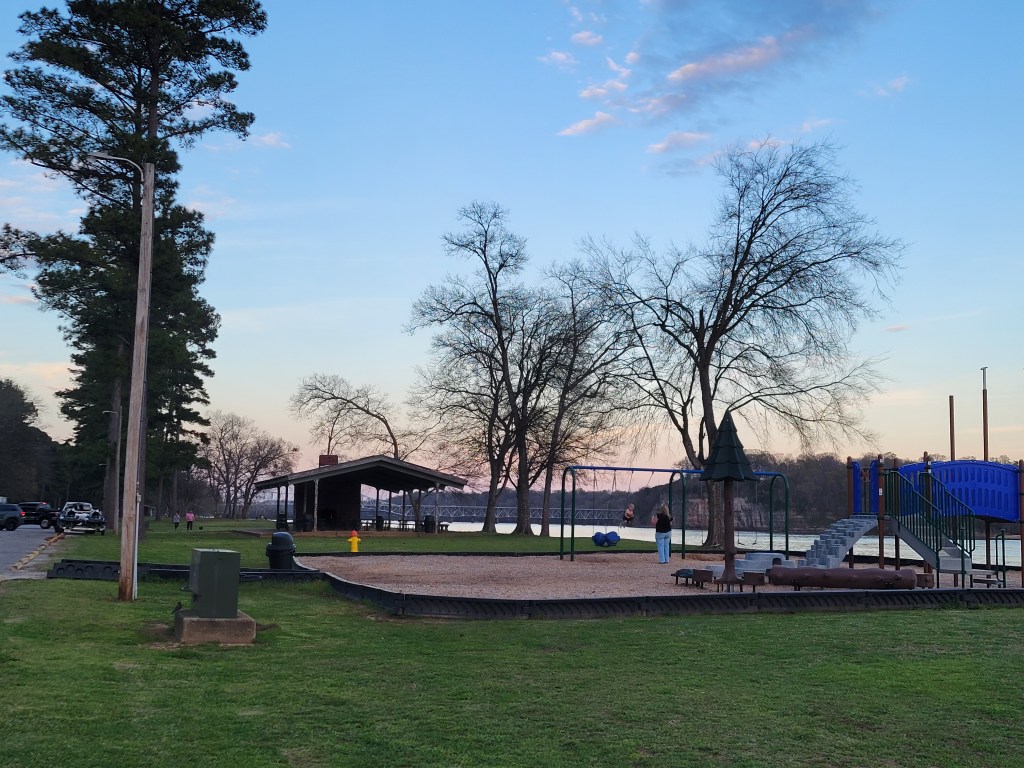
Either way, just entertaining the thought of it was thoroughly exciting (and intimidating). Just to imagine that we might make music on the same piano that was used to record Bob Seger’s “Old Time of Rock and Roll” was enough to take our Alabama visit to another level.
Perhaps this is the most literal state where we can say, when it came time to go, we didn’t want to leave, as we sit writing this, prepared to wait a few days in place if the opportunity to make music in Muscle Shoals becomes a reality.
*UPDATE – We swung back to check with Chase, at Muscle Shoals if it would work out and, thanks to some unexpected scheduling conflicts, it wasn’t gonna happen. It seemed for the better and we mentioned to him that, this inspired us and we’d finish the trip, Julie would finish writing all of her songs, get them nice and polished up and make an appointment weeks or a month in advance so he wouldn’t have time to pull in a full band. He agreed that would be best and we left feeling we got the best of all worlds, getting to spend a day imagining it, but saving it for when we would really be ready to make good use out of such an epic experience.
We have seen the beauty in Alabama. We have learned about and seen memorialized some of the ugliness that happened here and the courage and inspiration in response to it. We have been the recipients of kindness and welcoming at near every turn and we have enjoyed every moment of sunshine, every main drag we have had the chance to wonder through and every delicious bite of whatever we were partaking in. There is a reason that that iconic song rings true so far and wide, and it’s not just because it is darn good music. It is because Alabama sure does seem to be a sweet home, indeed.
 R and J in the USA
Leave a comment